
Planting
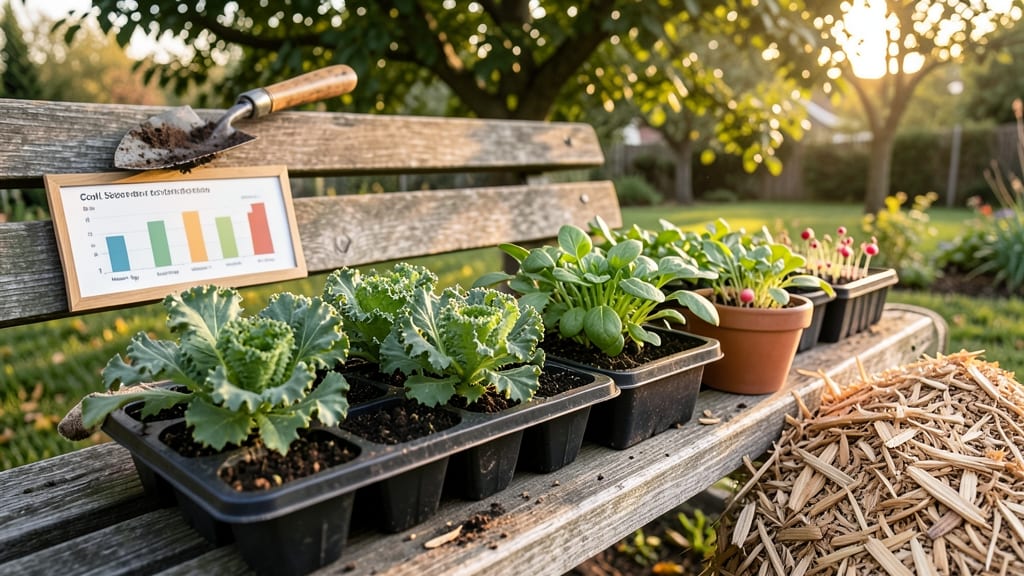
Timing when to plant a vegetable garden in New Brunswick can make or break your harvest—get it wrong, and you might watch your seeds turn to frost-damaged disappointment. With USDA Zone 4B’s short growing season, knowing when to plant isn’t just helpful—it’s essential.
Whether you’re a first-time gardener or a seasoned green thumb, aligning your planting schedule with New Brunswick’s frost dates is the key to success.
Most gardeners here learn the hard way: planting too early risks frost-killed seedlings, while waiting too long cuts harvests short. The solution? A strategic approach tailored to your local microclimate—whether you’re in coastal Saint John or inland Fredericton.
I’ll break down the exact windows for cool-season crops like spinach (plant in early spring) and warm-season favorites like tomatoes (wait until after the last frost, usually mid-May to early June).
What sets New Brunswick apart is its unpredictable frost dates, which can shift by weeks depending on elevation and proximity to the Bay of Fundy.
That’s why I’ll share pro tips to extend your season—like using row covers or choosing fast-maturing varieties—so you can squeeze in two harvests where others get one. Let’s dive into the schedule that’ll turn your garden from a gamble into a guaranteed feast.
Ready to grow more with less guesswork? You’ll walk away with a clear planting calendar, crop-by-crop timing, and tricks to beat New Brunswick’s early frosts. No more wasted seeds or empty rows—just a garden that thrives when it counts.
New Brunswick’s frost dates and ideal planting windows by season
New Brunswick’s USDA Zone 4B climate means frost dates are critical for planning your vegetable garden. The last spring frost typically occurs between May 15 and June 1, while the first fall frost arrives between September 15 and October 1.
These dates define your planting windows—miss them, and your crops may not thrive.
Understanding these seasonal shifts helps you choose between cool-season crops (like spinach and peas) and warm-season crops (like tomatoes and peppers). In New Brunswick, cool-season plants can handle early spring or late fall, while warm-season plants need warmer soil and air to germinate successfully.
Here’s how to align your planting with New Brunswick’s climate for maximum success:
📅 New Brunswick Planting Windows by Season
| Season | Planting Window | Ideal Crops | Notes |
|---|---|---|---|
| Early Spring | Mid-April to May 15 | Peas, Spinach, Lettuce, Kale | Use row covers for frost protection. |
| Late Spring | After May 15 (soil warm) | Tomatoes, Peppers, Beans, Carrots | Wait until soil reaches 10°C (50°F). |
| Summer | June to August | Cucumbers, Zucchini, Corn, Basil | Succession plant for continuous harvests. |
| Fall | August to September 15 | Kale, Radishes, Broccoli, Lettuce | Choose fast-maturing varieties. |
For cool-season crops, start seeds indoors in March or sow directly in early spring as soon as the ground is workable. Warm-season crops like tomatoes and peppers need to wait until after the last frost—typically late May—when soil temperatures are consistently above 10°C (50°F).
New Brunswick’s short growing season demands smart planning. Succession planting (sowing seeds every 2-3 weeks) ensures a steady harvest. For example, plant bush beans in early June, then again in early July for a late-summer crop.
If you’re unsure about frost dates, check local resources like the New Brunswick Department of Agriculture or use a frost calendar for your specific region. Coastal areas may have slightly later frosts than inland zones, so adjust accordingly.
Don’t forget to harden off seedlings before transplanting outdoors. This gradual acclimation process (7-10 days) helps plants withstand New Brunswick’s unpredictable spring weather.
For fall planting, focus on cold-hardy vegetables like kale and spinach. These can tolerate light frosts and even improve in flavor after a frost. Just be sure to plant them early enough to mature before the first hard frost.
By aligning your planting with New Brunswick’s frost-free windows, you’ll maximize your garden’s potential and enjoy fresh produce from early summer to late fall. 🌱
Best vegetables to grow in New Brunswick’s short season (ranked by success rate)
New Brunswick’s short growing season demands smart choices—prioritize fast-maturing vegetables that thrive in USDA Zone 4B. My top picks balance cold tolerance and harvest speed, ensuring success even with late frosts. Start with cool-season crops like kale and peas, then transition to heat-lovers like tomatoes and beans.
For beginners, bush beans and radishes are foolproof—they mature in 45–60 days and handle New Brunswick’s unpredictable weather. Pair them with spinach and lettuce for early spring harvests, then swap in zucchini and cucumbers by June.
Always check seed packets for days to maturity—aim for varieties labeled "early" or "fast-growing."
| Vegetable | Planting Time | Days to Harvest | Success Rate | Notes |
|---|---|---|---|---|
| Peas | Early May | 50–60 days | 9/10 | Cold-hardy; great for succession |
| Kale | April–July | 45–60 days | 10/10 | Thrives in cool weather; harvest until frost |
| Radishes | May–July | 25–30 days | 9/10 | Fastest crop; great for kids |
| Bush Beans | Mid-June | 50–60 days | 8/10 | Compact; no trellis needed |
| Early Girl Tomatoes | Late May | 55–65 days | 7/10 | Fastest tomato; needs warmth |
Avoid slow growers like Brussels sprouts or cabbage unless you’re extending the season with row covers. Instead, focus on high-yield crops like lettuce (harvest leaves as needed) or bush beans (produce for weeks).
For late summer, swiss chard and carrots are resilient—both tolerate light frosts and mature in 60–70 days.
Pro tip: Direct-sow seeds instead of transplanting to save time. For example, spinach seeds germinate in 7–14 days at New Brunswick’s cool soil temps, while tomato transplants need soil temps above 60°F. Always harden off seedlings for 7–10 days before planting outdoors to prevent shock.
Test your soil’s pH level (aim for 6.0–7.0) and