
Planting
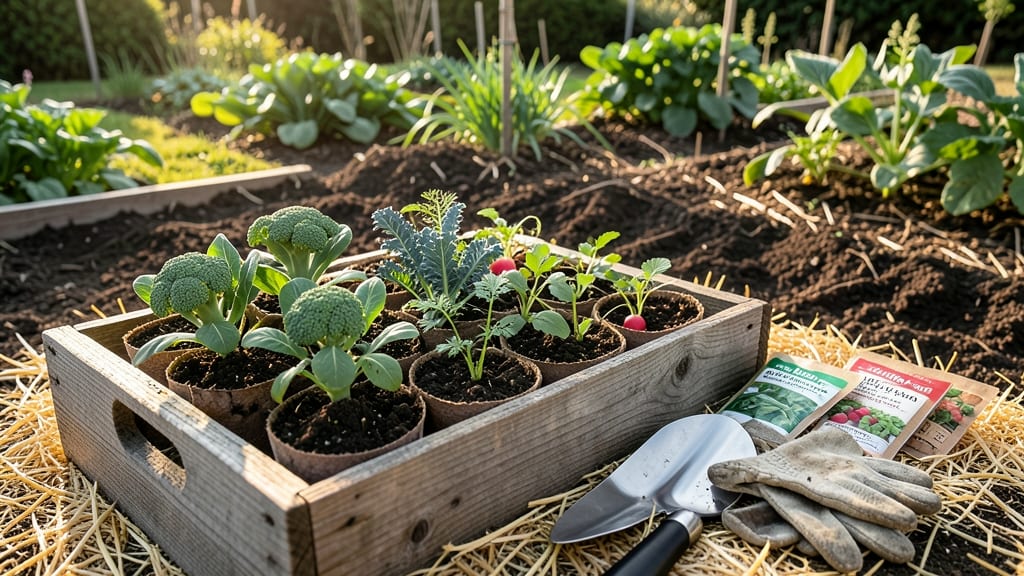
Timing your 🥬 vegetable garden in Pennsylvania isn't just about throwing seeds in the dirt—it's about beating frost, embracing zones 5-7, and knowing when to plant for a bumper harvest. Get it wrong, and you might end up with sad, stunted plants or wasted effort.
But with the right schedule, you can turn your backyard into a thriving garden that feeds you from summer to fall.
I've spent years tracking Pennsylvania's planting windows, and the key is understanding your local last frost date—usually around April 15 but varying by region. Cool-season crops like lettuce and peas can go in as early as March, while warm-season favorites like tomatoes need to wait until after that final frost.
The difference between a successful harvest and a disappointing one often comes down to these timing details.
What if you're in Pittsburgh versus Philadelphia? Or dealing with an early spring? I'll break down exactly when to start seeds indoors, when to transplant, and how to adjust for microclimates.
Whether you're a first-time gardener or a seasoned pro, this zone-specific guide will help you plan for both spring and fall planting seasons—so you're never left guessing.
Ready to grow more food with less stress? Let's dive into the exact dates and strategies that work for Pennsylvania gardens, so you can enjoy fresh vegetables all season long.
Pennsylvania planting zones: exact dates for spring vegetables by hardiness Zone
Pennsylvania spans USDA Hardiness Zones 5-7, meaning your last frost dates can vary by weeks—sometimes months—between regions. In Zone 5 (northwest PA), expect your average last frost around May 15, while Zone 7 (southeast PA) typically sees frost-free soil by April 15.
This timing shift directly impacts when you should plant your cool-season vs. warm-season crops.
For cool-season vegetables like lettuce, spinach, and peas, start seeds 4-6 weeks before your last frost date. In Zone 5, that means sowing in early April, while Zone 7 gardeners can begin as early as late March.
These crops tolerate light frosts and even thrive in cooler soil, making them ideal for early planting.
Warm-season crops—think tomatoes, peppers, and corn—require soil temperatures above 60°F and should only be planted after your last frost. In Zone 5, wait until late May, while Zone 6 (Pittsburgh area) can start in early May, and Zone 7 (Philadelphia) as early as mid-April.
🌱 Pennsylvania Spring Planting Summary Table
| Zone | Last Frost | Cool-Season Start | Warm-Season Start | Example Crops |
|---|---|---|---|---|
| 5 (Erie, Scranton) | May 15 | Early April | Late May | Peas, Lettuce, Tomatoes |
| 6 (Pittsburgh) | May 1 | Late March | Early May | Spinach, Basil, Peppers |
| 7 (Philadelphia) | April 15 | Late March | Mid-April | Kale, Cucumbers, Eggplant |
Microclimates play a huge role in Pennsylvania’s planting success. Urban areas like Philadelphia often warm up faster than rural zones due to heat islands, while mountainous regions (e.g., Poconos) may experience later frosts.
To adjust, use row covers for early cool-season crops or opt for slow-bolting varieties like 'Black Seeded Simpson' lettuce if your spring is unpredictable.
For warm-season crops, soil temperature matters more than air temperature. Use a soil thermometer to confirm 60°F+ before planting tomatoes or peppers. In Zone 5, this might not happen until early June, while Zone 7 gardeners can plant by late April.
If you’re eager to start earlier, try container gardening near a sunny wall to warm the soil faster.
Don’t forget about succession planting—a key strategy in Pennsylvania’s short growing season. After harvesting early radishes or lettuce, replant with bush beans or zucchini to maximize your garden’s productivity.
In Zone 6, you might squeeze in two harvests of green beans by planting the first batch in early May and the second in late June.
Local resources like the Penn State Extension offer frost date maps and planting calendars tailored to your county. Bookmark their PA Vegetable Planting Guide for real-time updates, especially if you’re in a transition zone like Lancaster County, where frosts can be erratic.
Their data is updated annually to account for climate shifts.
If you’re in Zone 5 or 6 and face a late spring, consider starting warm-season crops indoors 6-8 weeks before your target planting date. Tomato and pepper seedlings thrive under grow lights and can give you a 2-3 week head start once soil warms.
Just be sure to harden off seedlings for 7-10 days before transplanting.
Pro tip: Mark your calendar for Mother’s Day weekend (mid-May), a traditional benchmark for garden centers in PA to stock warm-season plants. This timing aligns well with Zone 6 and 7 planting windows, so you can grab transplants and get them in the ground just as soil temperatures rise.
Finally, keep a planting journal to track your success. Note when you planted, how your crops performed, and any frost surprises. Over time, you’ll refine your schedule to match your specific microclimate, whether that’s a sunny city lot or a shaded woodland garden.
Fall planting in Pennsylvania: which vegetables thrive and when to start
Fall planting in Pennsylvania isn’t just about extending your harvest—it’s a strategic way to grow hardier crops that thrive in cooler weather. Unlike spring, when you race against frost, fall lets you take advantage of mild temperatures and soil warmth that lingers into October.
In zones 5–7, this means planting 6–8 weeks before your first frost, typically between late July and early September, depending on your location.
Cool-season vegetables like kale, carrots, and radishes actually sweeten when exposed to frost, while others like green beans and squash can still produce if given enough time. The key is choosing crops that match your frost-free window—usually 150–200 days in PA.
For example, bush beans mature in 50–60 days, while broccoli takes 70–90 days.
To maximize your fall garden, focus on soil preparation first. Amend your beds with compost or aged manure to replenish nutrients lost during summer. In zones 5–6, where frosts arrive earlier, consider straw mulch to insulate roots and protect young plants.
For urban gardeners, raised beds warm up faster in spring and drain better in fall, giving you a 2-week advantage over in-ground planting.
Timing is everything in fall planting. For example, in Philadelphia (zone 7), you can plant radishes as late as September 15 and still harvest before frost, while in Erie (zone 5), you’ll need to start by August 1 for a similar result.
Use a planting calendar or Penn State Extension’s frost date maps to fine-tune your schedule.
Don’t overlook succession planting—sow fast-growing crops like lettuce or arugula every 2–3 weeks from July through September. This ensures a continuous harvest until hard frosts hit. Pair this with drought-tolerant varieties (like Swiss chard) to handle PA’s unpredictable fall rains.
With the right crops and timing, your fall garden can be just as productive as spring—if not more so. Start with hardy greens and root vegetables, then experiment with winter squash or garlic for next year’s early harvests.
The key is planning backward from your first frost and letting the weather work in your favor.