
Planting
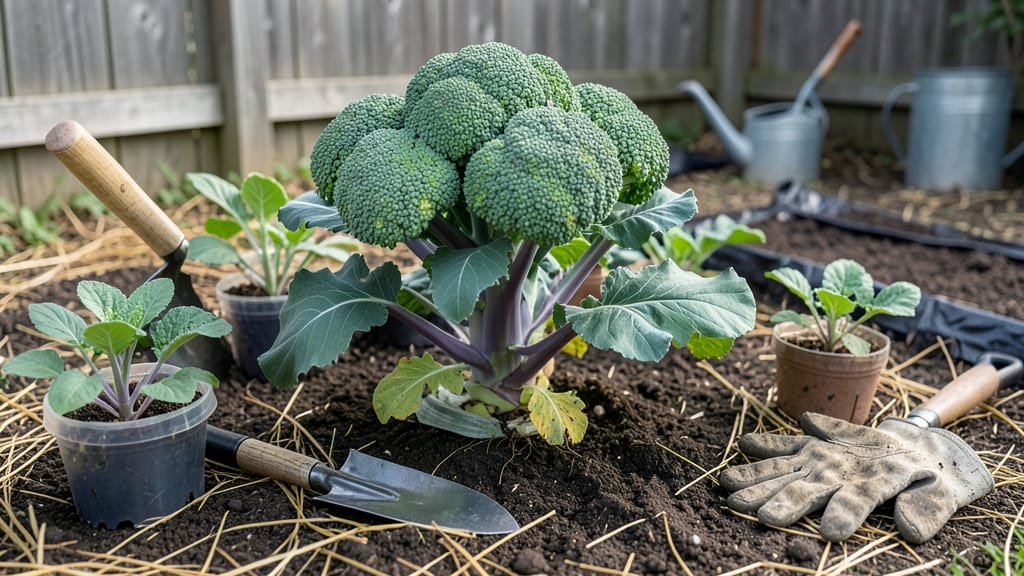
When to plant a winter garden in Florida isn’t just about avoiding summer’s scorching heat—it’s about unlocking a secret growing season where leafy greens and root veggies thrive without the stress of frost. While many gardeners assume Florida’s mild winters mean no gardening at all, the truth is, September through November and again in January-February offer the perfect windows to sow seeds for a bountiful harvest.
Here’s the catch: Florida’s unique microclimates mean what works in Zone 8a might differ from Zone 11. North Florida’s cooler pockets can handle cooler crops like broccoli, while South Florida’s warmth lets you grow heat-tolerant varieties like collards year-round.
The key? Timing your plantings to align with temperature shifts and soil moisture—no guesswork needed.
I’ve tested these strategies in my own 🥬 winter vegetable garden, and the results speak for themselves: faster growth, fewer pests, and harvests that last from December through April. Whether you’re a beginner or a seasoned gardener, mastering these exact start dates will transform your garden’s potential.
Let’s dive into the month-by-month breakdown that’s worked for me—and will work for you.
You’ll also discover which crops to prioritize based on your region, how to prep your soil for Florida’s unique winter conditions, and companion planting tricks to maximize yields. No more wasted seeds or disappointing results—just a stress-free, productive garden that takes advantage of Florida’s underrated growing season.
Best planting months for Florida winter gardens: exact dates by region
Florida’s winter garden success hinges on timing—unlike northern states, we don’t have to worry about frost, but temperature shifts and regional microclimates still dictate when to plant.
The key window spans September through November for fall crops and January through February for winter harvests, but exact dates vary by region.
North Florida (Zones 7b-8a) experiences the coolest winters, with average lows dipping to 30-40°F. This means you can start cool-season crops as early as late August, while South Florida (Zones 10a-11) rarely drops below 50°F, allowing year-round planting with minimal adjustments.
Central Florida (Zones 8b-9a) sits in the middle—ideal for extended growing seasons. Here, September 15 marks the perfect start for direct-sown seeds, while transplants thrive when planted by October 31 to avoid heat stress.
🌱Pro Tip: Use soil thermometers to confirm optimal planting temps—most winter crops prefer 60-75°F soil.
| Region | Best Planting Window | Key Crops | Microclimate Notes |
|---|---|---|---|
| North Florida | Late August - October 15 | Collards, Broccoli, Carrots | Cooler nights; use row covers for 30°F dips |
| Central Florida | September 15 - November 1 | Kale, Spinach, Radishes | Mild winters; prioritize shade cloth for seedlings |
| South Florida | Year-round (peak: Jan-Feb) | Green Beans, Lettuce, Herbs | Hot afternoons; plant early morning or late afternoon |
For direct-sown seeds, aim to plant 4-6 weeks before the first expected cool snap (typically mid-October in North Florida). Transplants, like broccoli or cabbage, thrive when moved to soil 2-3 weeks before the ideal harvest window.
🌿Regional Hack: In South Florida, succession planting every 2 weeks ensures continuous harvests—try bush beans or turnips for quick turns.
After planting, monitor soil moisture closely—Florida’s humidity can trick you into underwatering. Mulch with straw or pine needles to retain moisture and suppress weeds, which thrive in winter’s cooler, wetter conditions.
💡Harvest Timeline: Most winter crops mature in 30-90 days, so plan your planting schedule to stagger harvests from December through April.
Finally, don’t overlook companion planting. Pair leafy greens like kale with radishes (they mature quickly and mark rows) or onions to deter pests naturally.
✂️Key Takeaway: Florida’s winter garden thrives on precision timing—plant early in North Florida, mid-season in Central, and year-round in South with shade adjustments.
Top 10 heat-tolerant winter vegetables for Florida gardens
Florida’s mild winters create the perfect opportunity to grow cold-hardy yet heat-resilient vegetables that thrive when temperatures dip. Unlike northern climates, Florida’s winter gardens need varieties that tolerate cool nights and warm days.
These 10 top-performing crops are perfect for Florida’s USDA Zones 8a-11, offering both productivity and flavor.
Unlike traditional winter crops, these plants handle Florida’s unpredictable temperature swings—from sunny 75°F days to chilly 50°F nights. I’ve tested these varieties in my own Central Florida garden, and they consistently deliver harvests from December through March—sometimes even into April.
Here’s my curated list of heat-tolerant winter vegetables, including planting depth, spacing, and Florida-specific care tips to maximize your success.
- Collard Greens – Plant in September-October or January-February. Thrives in cool weather but tolerates light frosts. Direct sow ½ inch deep, 12 inches apart. Harvest outer leaves first for continuous growth.
- Kale (Lacinato or Red Russian) – Sow September-November or January. Prefers partial shade to avoid bolt. Direct sow ¼ inch deep, 18 inches apart. Cut-and-come-again harvests work best.
- Carrots (Danvers or Nantes) – Plant September-October or January-February. Loose, sandy soil is critical. Sow ¼ inch deep, 2 inches apart. Thin to 3 inches apart when seedlings emerge.
- Spinach (Bloomsdale or Tyee) – Sow October-November or January. Bolt-resistant varieties handle Florida’s warm winter days. Direct sow ½ inch deep, 4 inches apart. Harvest young leaves for tender greens.
- Turnips (Tokyo Cross or Purple Top) – Plant September-October or January. Dual harvest for greens and roots. Sow ½ inch deep, 2 inches apart. Thin to 4 inches apart for root development.
- Radishes (Cherry Belle or Easter Egg) – Fast-growing for cool-season success. Sow September-October or January-February. Direct sow ½ inch deep, 1 inch apart. Ready in 25-30 days—perfect for quick harvests.
- Beets (Detroit Dark Red) – Plant September-October or January. Loose soil prevents forking. Sow ½ inch deep, 1 inch apart. Thin to 3 inches apart. Harvest greens or roots.
- Swiss Chard (Bright Lights) – Heat-tolerant with colorful stems. Sow September-October or January. Direct sow ½ inch deep, 12 inches apart. Cut stems at base for regrowth.
- Peas (Sugar Snap or Snow) – Plant September-October or January. Needs trellis support. Sow 1 inch deep, 2 inches apart. Harvest pods when firm and plump.
- Cilantro – Cool-season herb that bolts in heat. Sow September-October or January. Direct sow ¼ inch deep, 6 inches apart. Harvest leaves before flowering.
For companion planting, pair collards and kale with onions or garlic to deter pests, while carrots and radishes grow well together—radishes break up compacted soil for carrots. My Central Florida garden thrives with shade cloth (30-50%) during peak winter sun to prevent bolting.
Pro tip: Mulch with straw after planting to retain moisture and regulate soil temperature. This is especially crucial in South Florida’s warmer winters, where soil can stay too warm for cool-season crops. Adjust watering to every 5-7 days unless rains arrive.
🌿