
Plants
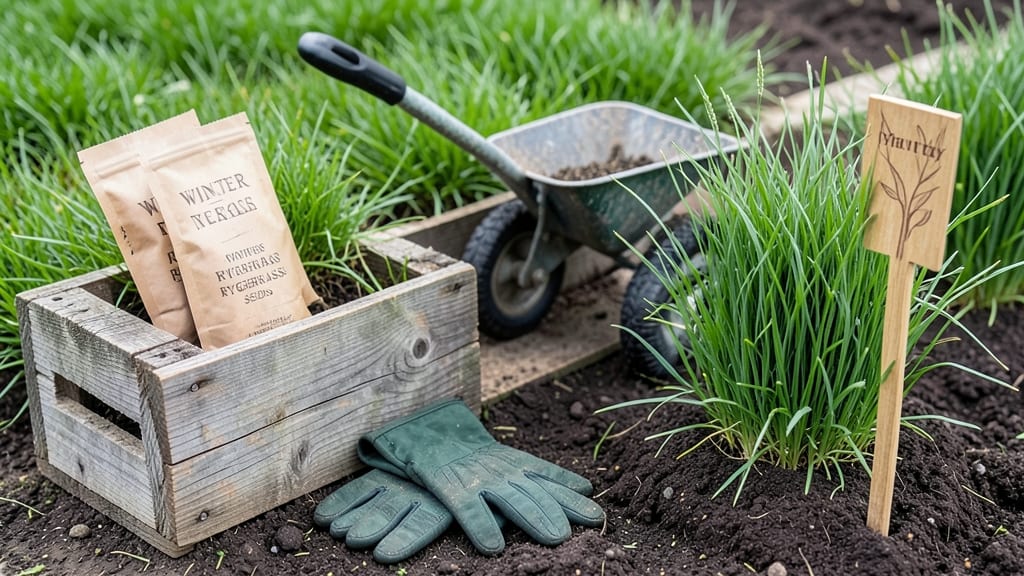
If you're a Texas gardener wondering "when do you plant winter rye in Texas", timing is everything—and getting it right means the difference between a thriving cover crop and a failed experiment.
The key window is late summer to early fall, when temperatures start cooling but before the first frost locks in, giving your 🌾 winter rye the perfect chance to establish strong roots before winter sets in.
Why does this matter? Winter rye isn’t just another green plant—it’s a workhorse for Texas soil, whether you’re using it to suppress weeds, prevent erosion, or improve soil health for next season’s crops.
Plant too early, and the heat will stress your seedlings; too late, and they won’t have enough time to grow before winter dormancy kicks in. The sweet spot?
Aim for August through October, adjusting slightly based on your region—North Texas might lean toward early September, while South Texas can push into late October.
Here’s the game-changer: heat-tolerant varieties like ‘Gulf’ or ‘Austrian’ give you more flexibility, extending your planting window by a few weeks. But even with the right seeds, soil prep and moisture matter just as much.
We’ll break down exactly how to time your planting for maximum success, so you can avoid common Texas mistakes and get the most out of your winter rye—whether you’re growing it for forage, grain, or just healthier soil.
Ready to transform your garden or farmland? Let’s dive into the exact months, regional tweaks, and pro tips that’ll help your winter rye thrive—no guesswork, just results. Your future crops will thank you.
Best planting months for winter rye in Texas (heat-tolerant varieties explained)
Winter rye (Secale cereale) is a powerhouse cover crop for Texas gardens, offering soil protection, nitrogen fixation, and weed suppression. But timing is critical—plant too early, and your seeds will bake in summer heat; too late, and roots won’t establish before winter.
Here’s the exact schedule for Texas’s three distinct regions.
Texas spans USDA Zones 8a-10b, meaning frost dates vary wildly. North Texas (e.g., Dallas) averages its first frost by November 15, while South Texas (e.g., Corpus Christi) might see frost as late as December 15.
Central Texas (Austin) falls in between. For optimal winter rye growth, aim to plant 45-60 days before frost—giving roots time to anchor before winter dormancy.
Heat-tolerant varieties like 'Gulf' winter rye or 'Austrian' winter rye are your best bet for Texas. These varieties handle 90°F+ soil temps better than traditional types, extending your planting window into late August in most regions. Without these heat-resistant seeds, you’re limited to early September plantings.
Here’s how to align your planting with Texas’s microclimates and frost risk:
| Region | Ideal Planting Window | Heat-Tolerant Variety | First Frost Date | Key Risk |
|---|---|---|---|---|
| North Texas (Dallas/Fort Worth) | Late August – Mid-September | 'Gulf' or 'Wrens Abruzzi' | November 15 | Late summer heat stress |
| Central Texas (Austin/San Antonio) | Mid-August – Early October | 'Austrian' or 'TAM 111' | November 30 – December 15 | Unpredictable frost |
| South Texas (Corpus Christi/Houston) | Late July – Late September | 'Gulf' or 'TAM 111' | December 1 – 15 | Humidity + fungal diseases |
⚠️ Pro Tip: Use a soil thermometer—ideal seedbed temps are 60–70°F.
If you’re in North Texas, don’t wait past mid-September—your seeds may not establish before frost.
In Central Texas, you’ve got a little more flexibility, but early October is your cutoff. South Texas gardeners can push it to late September thanks to milder winters, but humidity increases fungal risks like leaf spot if planted too late.
For maximum cover crop benefits, aim to plant winter rye when soil temps drop below 85°F. This usually happens in late August to early September across most of Texas.
Use a shallow till or broadcast spreader to sow seeds at ½ inch deep, and keep soil moist until germination (7–14 days).
Heat-tolerant varieties like 'Gulf' winter rye can handle up to 95°F soil temps for short periods, but prolonged heat will reduce germination rates. If your area hits a heatwave in August, consider shade cloth or mulching to protect seeds until temps drop.
In South Texas, where humidity is high, choose disease-resistant varieties like 'TAM 111' to avoid root rot.
Once established, winter rye will outcompete weeds, prevent erosion, and add organic matter to your soil. But the earlier you plant, the better it performs—so don’t wait for "perfect" conditions. Late August is your sweet spot for most of Texas.
For forage or grain production, you’ll want to plant even earlier (July–early August) to ensure a longer growing season. However, this increases heat stress risks, so irrigate deeply and mulch to protect seedlings.
If you’re unsure about your frost dates, check your local AgriLife Extension office—they provide region-specific frost forecasts.
Remember: Winter rye isn’t a summer crop. It’s all about establishing roots before winter so it can survive dormancy and thrive in spring. Plant too late, and you’ll end up with weak, shallow roots that won’t hold soil or suppress weeds effectively.
How to time your winter rye planting for maximum cover crop benefits
Aligning your winter rye planting schedule with Texas’s cover crop goals is key to unlocking soil health benefits like weed suppression and nitrogen fixation. The ideal window is 45-60 days before the first frost, giving your rye time to establish deep roots before winter dormancy.
In most of Texas, this means planting between mid-August and mid-October, depending on your region.
For North Texas (USDA Zones 8a-8b), aim for late August to early September—this ensures your rye matures enough to survive early winter freezes. In Central Texas (Zone 8b-9a), you’ve got a slightly longer window, so September planting still allows for robust growth before frost.
Meanwhile, South Texas gardeners can push planting into early October thanks to milder winters.
- 📅 45-60 days before frost: Optimal for root establishment and winter survival.
- 🌡️ Soil temp 60°F+: Ensures germination and early growth before cooler weather.
- 🌱 6-8 weeks to maturity: Adjust planting date if your variety is slower-growing.
- 🌧️ 1-2 inches of rain post-planting: Critical for seed-to-soil contact and sprouting.
- 🌿 Mulch after planting: Preserves moisture and regulates soil temperature.
Texas’s unpredictable weather patterns can throw off even the best-laid plans. For example, a dry September might delay germination, so keep an eye on rainfall forecasts. If you’re planting in South Texas, where humidity is higher, choose disease-resistant varieties like 'Gulf' to avoid fungal issues.
Meanwhile, North Texas gardeners should prioritize early planting to avoid stunted growth from sudden cold snaps.
One of my favorite tricks for maximizing cover crop benefits is to plant winter rye alongside clover in a mix. The rye grows quickly in cooler weather, while clover thrives in warmer months, creating a year-round soil protection system.
This combo also improves soil structure and attracts beneficial insects. Just be sure to plant the mix at least 6 weeks before frost to give both crops time to establish.
Timing isn’t just about frost—it’s also about harvesting your cover crop at the right moment. If you’re terminating winter rye in spring for a vegetable garden, aim to kill it 2-3 weeks before planting your warm-season crops.
This gives the rye time to scavenge nutrients and break down before your new plants go in. In Texas, this usually means late March to early April, just as the soil warms up.
Pro tip: Use a soil thermometer to monitor temperatures—50°F soil temps signal it’s time to terminate your rye cover. This ensures you’re not leaving behind allelopathic compounds that could inhibit your next crop.
With the right timing, your winter rye will work overtime to improve your soil, making spring planting a breeze. 🌱