
Planting
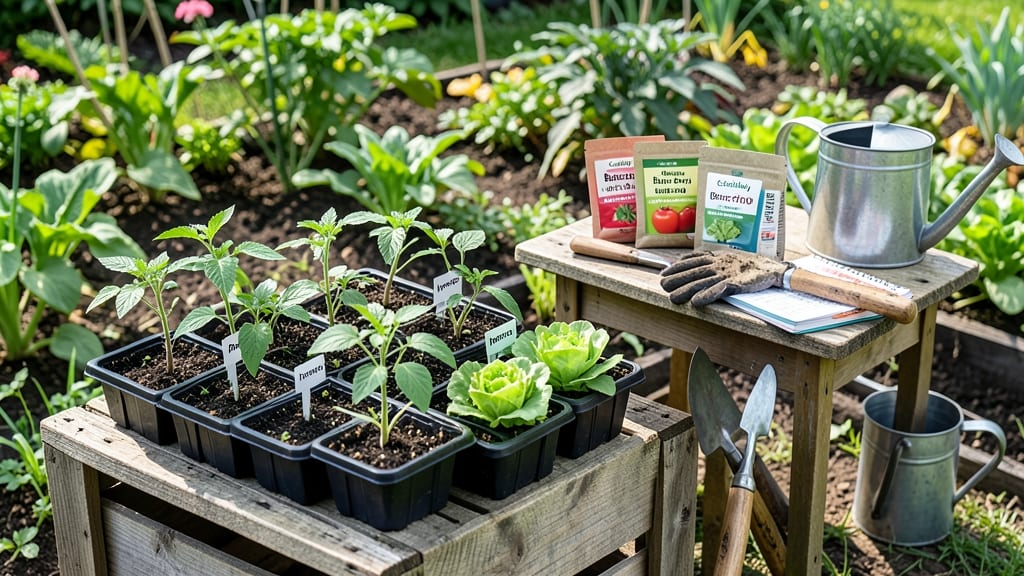
Timing when to plant a vegetable garden in Virginia can feel like solving a puzzle—too early, and frost zaps your seedlings; too late, and summer heat burns them before they thrive. But mastering these windows means the difference between a bountiful harvest and wasted effort.
Virginia’s climate varies wildly from the Coastal Plain to the Appalachian Mountains, so one planting schedule doesn’t fit all. Whether you’re in Richmond’s Zone 7b or Roanoke’s Zone 6a, knowing when to sow cool-season crops like lettuce or warm-season powerhouses like tomatoes is the key to success.
I’ll break down the exact frost-free dates by region, plus how to stretch your growing season with simple tricks. No more guessing—just a clear roadmap to planting your 🌱 vegetable garden at the perfect moment for maximum yield.
Ready to turn your backyard into a productive patch? Let’s dive into the science—and the secrets—of Virginia gardening.
Virginia’s frost-free planting dates by region (2024 guide)
Virginia’s USDA Hardiness Zones 5a-7b create a diverse planting landscape, where last frost dates can vary by 3-4 weeks between regions.
In the Coastal Plain (Zone 7b-8a), like Norfolk, you might see last frosts as early as March 15, while Roanoke’s Piedmont (Zone 6b-7a) often waits until April 1. These differences mean your cool-season crops like broccoli or spinach need precise timing to thrive.
For warm-season crops such as tomatoes and peppers, the key is soil temperature. Wait until the ground reaches 60°F+—typically late April to early May in most of Virginia—before transplanting seedlings.
In higher elevations like Blacksburg (Zone 6a), this can push planting back to mid-May to avoid late spring frosts that can devastate young plants.
Fall planting is equally critical. First frost dates range from October 15 in the mountains to November 15 along the coast. This means cool-season crops like kale or carrots must be sown by mid-August to early September to mature before winter sets in.
Use these NOAA-verified averages as your guide, but always check local forecasts for real-time adjustments.
Here’s a region-specific breakdown of when to plant for Virginia’s most common vegetable varieties, tailored to your location’s microclimate:
Pro tip: Use row covers to extend your cool-season window by 2-3 weeks in early spring or late fall. These lightweight fabrics protect seedlings from light frosts (down to 25°F) and speed up soil warming.
For warm-season crops, wait until nighttime temperatures stay above 55°F—a sure sign it’s safe to plant heat-lovers like okra or sweet potatoes.
Always verify with Virginia Cooperative Extension for localized alerts on unexpected frost events. Their free planting calendars account for microclimates within cities (e.g., urban heat islands in Richmond can delay frost by 5-7 days). Bookmark their Virginia Garden Hotline (800-552-6722) for last-minute advice.
For succession planting, sow fast-growing crops like radishes or lettuce every 2 weeks after your initial planting date. This ensures a continuous harvest and maximizes your garden’s productivity. Pair this with intercropping—planting bush beans between slow-growing tomatoes—to make the most of your space.
Remember, soil temperature matters more than air temperature. Use a soil thermometer to confirm 50°F+ for cool-season crops and 60°F+ for warm-season varieties. If your soil is too cold, seeds may rot or fail to germinate, wasting your time and resources.
Start your indoor seedling process 6-8 weeks before your last frost date. This gives seedlings enough time to develop strong roots
Best heat-tolerant vegetables for Virginia’s long, hot summers (and when to plant them)
Virginia’s summers can push temperatures past 90°F, making traditional vegetables wilt or bolt. But heat-tolerant varieties thrive in this climate—like okra and sweet potatoes—and they’re easier to grow than you think.
I’ve planted these in my Zone 7b garden for years, and they deliver harvests when other crops fail. The key? Planting at the right time and preparing your soil for the heat.
For warm-season crops, wait until the soil reaches 60°F+ and nighttime temps stay above 55°F. In Virginia, this typically means mid-to-late May for most regions, but check your local last frost date (see our frost-free guide for specifics).
Heat-loving plants like Malabar spinach and black-eyed peas can even handle 100°F+ with proper care.
Here are my top 10 heat-tolerant vegetables for Virginia summers, ranked by performance and ease of care:
For clay-heavy soils common in Virginia, amend beds with compost and sand to improve drainage. Mulch with straw or wood chips to lock in moisture and keep roots cool. I’ve seen okra plants produce 100+ pods in a season with this approach!
Pro tip: Succession plant heat-loving crops like Malabar spinach every 2-3 weeks from June through August. This ensures a continuous harvest even as temperatures peak. And don’t forget to water deeply in the morning—shallow watering stresses plants in the heat.
🌿