
Plants
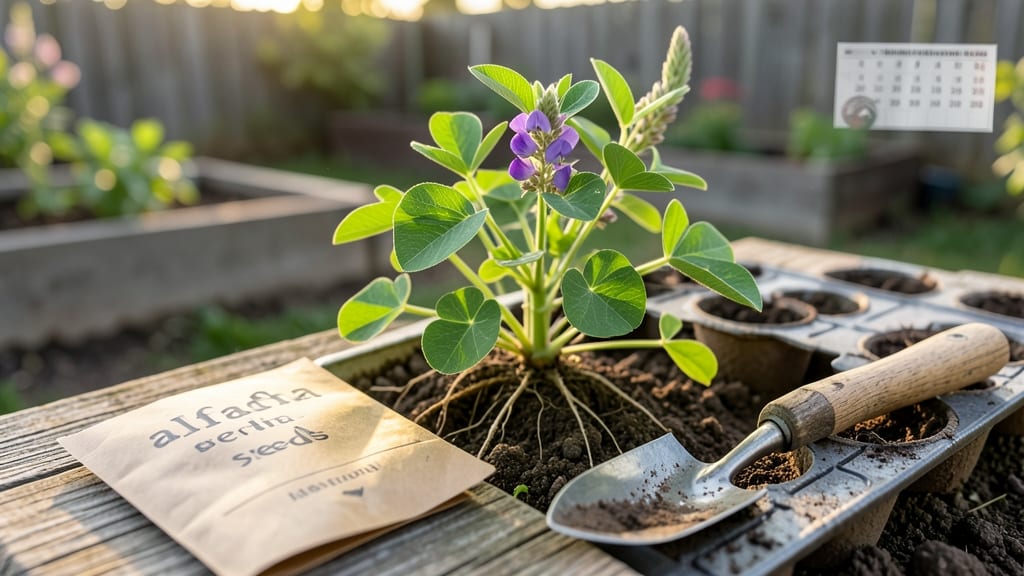
Timing your alfalfa planting in Michigan can mean the difference between a thriving crop and wasted effort—especially when Michigan’s unpredictable spring frost dates loom. If you’ve ever watched your seedlings wither overnight, you know how critical the right window is for this hardy but sensitive plant.
Alfalfa, that 🌱 nutrient-rich legume, needs patience—it won’t reach its full potential until its second year. But planting too early in Michigan’s USDA Zones 5-6 risks frost damage, while waiting too long cuts short its root development.
The secret lies in balancing soil warmth and frost-free forecasts, and I’ll walk you through the exact dates and signs to watch for.
You’ll also discover how to prep your soil for success, avoid common mistakes Michigan gardeners make, and even learn which companion plants keep pests at bay. Whether you’re a first-time grower or a seasoned farmer, these insights will help you cultivate a robust alfalfa patch that thrives year after year.
Let’s dive into the frost-free timeline that sets your alfalfa up for deep roots and bountiful harvests—without the guesswork. Your future crop depends on getting this right.
Michigan’s ideal alfalfa planting windows by region
Alfalfa thrives in Michigan’s USDA Zones 5-6, but the Upper Peninsula and Lower Peninsula have wildly different frost timelines. Planting too early risks frost damage, while waiting too long stunts root growth. Let’s break down the perfect planting windows for your region, including soil temperature and frost-free date benchmarks.
For spring planting, aim for late March to mid-April in southern Michigan, but wait until mid-April to early May in the Upper Peninsula. Soil must stay above 50°F for at least 2 weeks before planting—use a soil thermometer to check.
Fall planting works too, with late August to early September being ideal for both regions.
Here’s how Michigan’s two regions compare for alfalfa success:
| Region | Last Frost Date | Spring Planting Window | Fall Planting Window | Soil Temp Requirement |
|---|---|---|---|---|
| Lower Peninsula | Mid-April to early May | Late March–mid-April | Late August–early September | 50°F+ for 2 weeks |
| Upper Peninsula | Early to mid-May | Mid-April–early May | Early to mid-September | 50°F+ for 2 weeks |
Pro tip: Use black plastic mulch in early spring to warm soil faster, especially in colder regions. This can shave off 1-2 weeks of waiting time for ideal soil temperatures. Just remove it once seedlings emerge to prevent overheating.
For fall planting, prioritize late August in southern Michigan and early September in the UP. Seedlings need 6-8 weeks to establish roots before the first frost hits. Check your local Michigan State University Extension frost forecast for real-time updates.
Alfalfa is a perennial in Michigan, meaning it returns for 3-5 years if planted correctly. The first year focuses on root development, so avoid harvesting until the second growing season. This patience pays off with deep taproots that tolerate drought and poor soil.
One common mistake? Planting too deeply. Alfalfa seeds need only 1/4-inch depth. Use a seed drill or broadcast seeds lightly and rake them in. Over-deepening delays germination and weakens seedlings.
If you’re in Zone 5 (northern Michigan), consider cover crops like clover in fall to improve soil structure before planting alfalfa the following spring. This adds organic matter and suppresses weeds—critical for alfalfa’s long-term success.
For organic gardeners, add composted manure 2 weeks before planting. Alfalfa is a legume, so it fixes its own nitrogen, but it still benefits from phosphorus-rich soil for strong roots. Aim for a soil pH of 6.5-7.5.
🌱
Signs your Michigan soil is ready for alfalfa (before you plant)
Before dropping alfalfa seeds into your Michigan garden, check if your soil is truly ready. Alfalfa thrives in specific conditions, and skipping these checks can lead to poor germination or weak plants.
The key factors to verify are soil pH, moisture levels, and weed control—all critical for establishing a healthy stand.
Start by testing your soil pH level, which should fall between 6.5 and 7.5 for optimal alfalfa growth. Alfalfa is sensitive to acidic or alkaline extremes, so adjust the pH if needed using lime (to raise pH) or sulfur (to lower it).
A simple DIY pH test kit or local extension office can help you get accurate readings.