
Plants
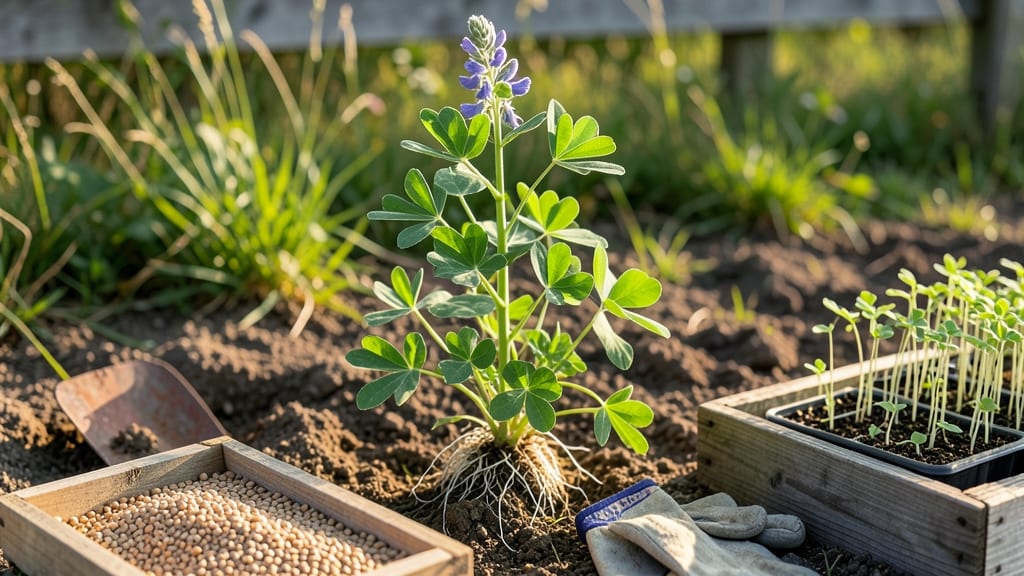
If you're wondering when to plant alfalfa in NC, timing is everything—because getting it wrong can mean waiting months for germination or even losing your crop entirely.
North Carolina’s diverse climate zones mean what works in the Piedmont might fail in the Coastal Plains, and alfalfa seeds need the right soil temperature to sprout fast and strong.
Alfalfa 🌱 thrives in NC’s 6a-8b zones, but the key to success lies in planting when soil temperatures hit that sweet spot between 50°F and 60°F. Too cold, and seeds linger; too warm, and they dry out before sprouting.
Whether you’re in the mountains or the coast, I’ll break down the exact windows—plus how to test your soil so you never miss the mark.
Most NC gardeners plant alfalfa in early spring (March-April) or late summer (August-September), but regional tweaks matter. Coastal areas can start as early as February, while mountain zones might wait until May. I’ll show you how to adjust for your microclimate and avoid common pitfalls that slow down growth.
Ready to skip the guesswork? You’ll learn how to time your planting for maximum yield, when to fertilize for speedy germination, and even how to extend your window with simple tricks. Let’s get those alfalfa seeds in the ground at the perfect moment.
Optimal soil temperature ranges for planting alfalfa in NC
Alfalfa seeds need consistent soil temperatures between 50°F and 60°F to germinate reliably. In North Carolina, this window varies by region—Coastal areas warm faster than the Mountains, so timing matters.
Planting too early when soils are cold can delay germination by weeks, while waiting too long risks summer heat stress.
Soil temperature is more critical than air temperature for alfalfa. A soil thermometer (inserted 2 inches deep) is your best tool—aim for 55°F as your sweet spot. In the Piedmont, this typically aligns with mid-March, while Mountain regions may need to wait until April.
North Carolina’s three distinct microclimates create unique planting challenges. Coastal Plains often hit ideal temps by late February to March, Piedmont areas by March to early April, and Mountain zones by April to May.
Understanding these patterns helps avoid common mistakes like planting when soils are still too cold.
For accurate timing, check NC State Extension’s frost maps and pair them with soil temp data. A 3-5 day forecast of stable temps above 50°F confirms readiness. If your soil thermometer reads below 50°F, delay planting—even by a week—to prevent seed rot or slow germination.
Alfalfa’s germination rate drops sharply below 50°F. Seeds may take 10-14 days to sprout at 50°F, but double that time at 45°F. Warmer soils (55-60°F) cut germination time to 5-7 days, giving you a faster, more uniform stand.
Regional variations extend beyond timing. Coastal soils warm 2-3 weeks earlier than Mountain soils due to proximity to the ocean. Piedmont areas fall in between, but elevation changes within the region can shift optimal planting by 10-14 days even between neighboring counties.
To test soil readiness, use the finger test: Push your finger 2 inches into the soil. If it feels cool but not icy, temps are likely in the 50-55°F range.
Pair this with your soil thermometer for precision. Overwatering cold soil can further delay germination, so monitor moisture levels carefully.
Alfalfa’s ideal planting window closes by late April in most of NC. After that, summer heat can stress young seedlings, especially in Zone 8b areas where temps exceed 80°F. For late-season planting, consider shade cloth or mulch to protect seedlings during heatwaves.
Avoid planting alfalfa when soil temps exceed 70°F. High temperatures cause seeds to dry out before germination and can lead to poor stand establishment. If your region’s soils hit 70°F before your ideal planting window, shift to late summer (August-September) for a second planting opportunity.
Pro tip: Plant alfalfa in blocks, not rows, to create a uniform soil temperature across the planting area. This reduces microclimate variations that can cause uneven germination. Use a garden rake to level soil before seeding for even contact with the ground.
| Region | Optimal Soil Temp | Best Planting Window | Germination Time |
|---|---|---|---|
| Coastal Plains | 50-60°F | Late February - March | 5-7 days |
| Piedmont | 50-60°F | March - Early April | 7-10 days |
| Mountains | 50-60°F | April - May | 10-14 days |
| All Regions (Late Summer) | 55-65°F | August - September | 5-8 days |
🌱 Key: Germination time varies with soil moisture and seed quality
If your soil thermometer isn’t available, use local alfalfa farmers as a reference. Most in your area plant around the same time each year, and their fields offer real-world proof of successful timing.
For example, Piedmont farmers often plant by March 15—use this as a benchmark if you’re unsure.
Remember: Soil temperature trumps calendar dates. Even if it’s March 1, if your soil is still below 50°F, wait. Conversely, if your soil hits 55°F in February, don’t delay—plant immediately. This flexibility ensures your alfalfa gets the best possible start in North Carolina’s variable climate.
Optimal soil temperature ranges for planting alfalfa in NC
Alfalfa seeds need consistent soil temperatures between 50°F and 60°F to germinate quickly and establish strong roots.
In North Carolina, these temperatures typically align with early spring or late summer planting windows, depending on your microclimate. Cooler coastal regions may reach ideal temps earlier than warmer Piedmont or Mountain zones, so timing matters.
Soil temperature fluctuations can delay germination by weeks. For example, seeds planted in 45°F soil may take 3-4 weeks to sprout, while 55°F soil yields 7-10 day emergence. Use a soil thermometer ($10-$15) to check temps 2-3 inches deep—this is where alfalfa roots first seek warmth.
Here’s how NC’s three main regions differ:
| Region | Ideal Soil Temp (°F) | Best Planting Window | Germination Time |
|---|---|---|---|
| Coastal Plains (Zone 8a-8b) | 52°F–58°F | February–March | 7–10 days |
| Piedmont (Zone 7a-7b) | 50°F–56°F | March–April | 10–14 days |
| Mountains (Zone 6a-6b) | 54°F–60°F | April–May | 12–16 days |
To test your soil’s readiness, insert a thermometer into moist soil and wait 30 minutes for an accurate reading. Morning tests (9–11 AM) are most reliable, as afternoon sun can skew temps by 5°F–10°F.
If your soil runs below 50°F, consider using black plastic mulch to warm it by 5°F–10°F in 3–5 days.
Alfalfa’s root system is sensitive to cold soil, so avoid planting if nighttime temps dip below 40°F. In NC’s Zone 6a (Mountains), this often means waiting until mid-April, while Zone 8b (Coastal) can start as early as late February.
Always check your local NC State Extension frost data for precision.
Pro tip: Mix alfalfa seeds with rye or clover as a nurse crop. These fast-growing companions stabilize soil temps and suppress weeds while your alfalfa establishes—critical in NC’s variable spring weather.