
Plants
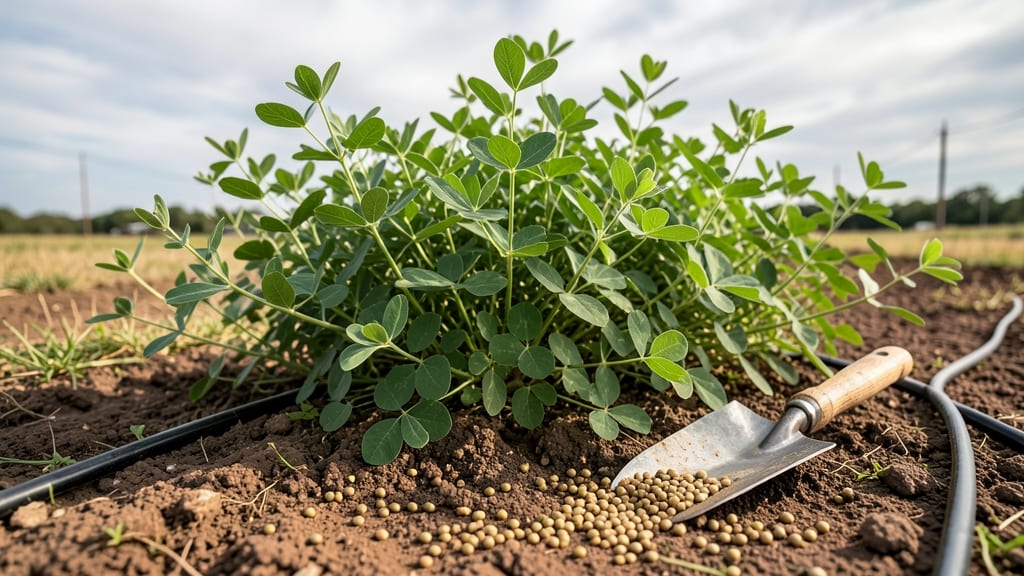
If you're wondering when to plant alfalfa in Texas, timing is everything—especially when balancing the state's brutal summers with unpredictable spring rains. Alfalfa 🌱 thrives in Texas's 8a-10b zones, but planting too early risks frost damage, while waiting too late means struggling with heat stress.
Most Texas farmers swear by late winter to early spring, specifically February through March, when soil temperatures hit that sweet spot of 50°F or warmer. This window gives young plants enough time to establish roots before the scorching heat of April and May kicks in.
But here's the kicker: your exact timing depends on your region. North Texas has cooler springs, while South Texas can handle slightly later plantings. We'll break down the best months for each area so you can avoid common mistakes like planting too late or ignoring soil prep.
Ready to get started? Let's dive into the exact months, heat-tolerant varieties, and Texas-specific tips that make all the difference between a thriving alfalfa field and a failed crop.
Best planting months for alfalfa in Texas by region
Texas stretches across three distinct climate zones, each with unique frost dates and heat patterns. For alfalfa, timing is critical—plant too early, and frost may damage seedlings; too late, and summer heat stress reduces yields.
My goal is to break down the ideal planting windows for North, Central, and South Texas, so you can align your schedule with local conditions.
Alfalfa thrives in warm soil temperatures (at least 50°F or 10°C) and consistent moisture. In Texas, this means planting after the last frost date but before summer heat peaks.
For most regions, this window is February through April, but exact timing varies by zone. Let’s dive into the specifics for each region.
🌱
In North Texas, where frosts linger into March, aim for late February to early March plantings. The Panhandle and West Texas regions benefit from cooler nights, making March the safest bet. Use a soil thermometer to confirm temperatures are stable above 50°F before sowing.
Central Texas offers the most flexibility due to its moderate climate. Planting in February allows seedlings to establish before summer heat arrives, while March plantings can still thrive with consistent watering. This region’s calcareous soils also require lime amendments if pH drops below 6.5.
For South Texas, where summers are brutally hot, extend your planting window to April. Varieties like ‘CUF 101’ handle heat better, but avoid planting after mid-April to prevent heat stress during germination. Irrigation is critical here—drip systems work best to maintain moisture.
Regardless of region, avoid planting in summer. Alfalfa seeds need cool soil to germinate; summer heat will bake them before they sprout. If you miss the spring window, consider fall planting in September for South Texas, but this is riskier due to hurricane season disruptions.
Pro tip: Use a seed inoculant with Rhizobium bacteria to boost nitrogen fixation, especially in sandy soils common in West Texas. This step alone can improve yields by 20-30% in the first growing season.
☀️
Best planting months for alfalfa in Texas by region
Texas’s diverse climate means alfalfa planting windows vary dramatically from North Texas to South Texas. In Zone 8a (North), aim for late February to early March—after the last frost—while Zone 10b (South) can start as early as January due to milder winters.
The key is soil temperature at 50°F (10°C) or warmer.
Central Texas (Zone 8b-9a) offers the widest window: February through April. This flexibility lets you adapt to spring rainfall or drought conditions. South Texas’s longer growing season even allows fall planting in October for winter harvests.
🌱
In North Texas, soil prep is critical—alfalfa struggles in compacted or acidic soils (aim for pH 6.5–7.5). Central Texas growers should test for calcium levels, as calcareous soils are common. South Texas’s sandy loams drain too quickly, so amend with compost to retain moisture.
Timing isn’t just about frost—it’s about heat tolerance. Planting in May or June risks seedling stress from 100°F+ days. Instead, opt for early spring to let roots establish before summer’s intensity.
For fall plantings, ensure 60+ days to maturity before first frost (typically November 15 in North Texas).
🌡️
Pro tip: Use a soil thermometer to confirm 50°F+ soil temps before seeding. In drought-prone areas, irrigate 2–3 inches per week post-planting to prevent seedling desiccation. Texas’s variable rainfall makes consistent moisture more important than you’d think!