
Trees
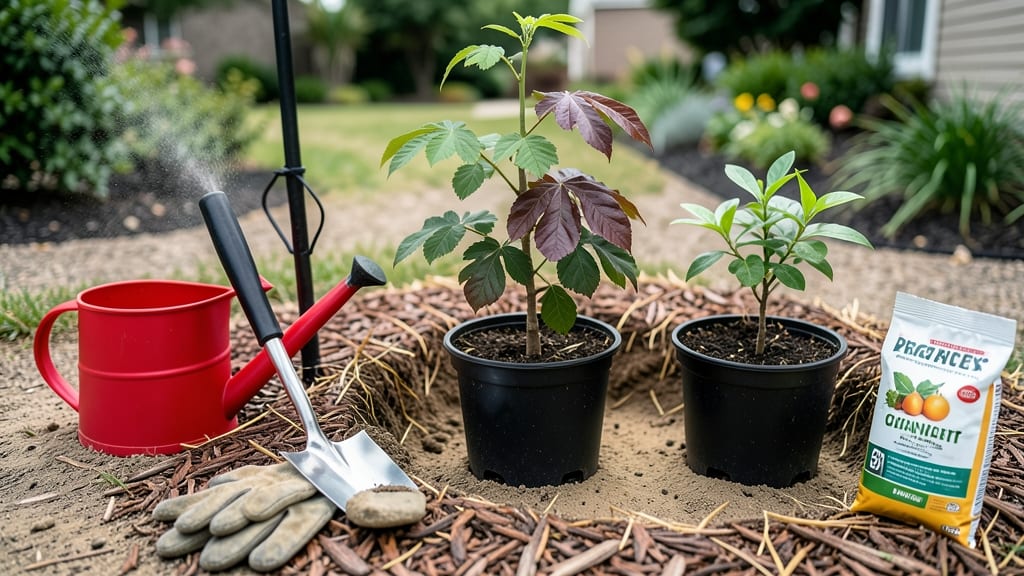
Timing your fruit trees planting in Central Texas could mean the difference between a thriving orchard and a struggling sapling—especially with our brutal summers and unpredictable winters. The ideal window isn’t just about months; it’s about soil temperatures, rainfall patterns, and choosing heat-tolerant varieties that actually survive the 8a-9a climate.
I’ve planted 🍎 fruit trees here for years, and the best results always come from late winter to early spring—when the ground warms but before the summer heat sets in. This guide will break down exactly when to plant each type, from peaches to citrus, so you avoid costly mistakes.
You’ll learn which months work best for your specific fruit trees, how to prep your soil for Texas conditions, and which varieties thrive here without extra fuss. Let’s get your orchard off to the right start!
Whether you’re a first-time gardener or a seasoned grower, these insights will help you plant with confidence—and watch your trees flourish despite Central Texas’ challenges.
Best months to plant fruit trees in Central Texas for maximum survival
Central Texas gardeners know timing is everything—especially when planting fruit trees. The ideal window spans from mid-February to early April, when soil temperatures hover between 55°F and 65°F.
This range lets roots establish before summer’s brutal heat arrives. Planting outside this window risks heat stress or winter dieback, two common pitfalls in our USDA Zones 8a-9a.
Most gardeners assume spring is the only option, but fall planting (October-November) works too—if you’re in cooler microclimates like the Hill Country. However, Austin and San Antonio’s warmer winters make fall planting riskier due to unpredictable frost.
For best results, stick to early spring when the ground thaws but before April’s scorching sun.
Soil temperature is your secret weapon. Use a soil thermometer to confirm readiness—roots won’t grow below 50°F. In Central Texas, this usually aligns with late February to March. Bare-root trees thrive in these conditions, while container-grown trees can handle slightly later plantings (up to May) but need extra shade and daily watering.
Microclimates matter. San Antonio’s slightly warmer winters mean you can plant 1-2 weeks earlier than Waco or Austin. Check your last frost date (typically March 15) and plant 4-6 weeks before to give roots time to anchor.
Urban areas with heat islands may need shade cloth for young trees planted in April or May.
Here’s the golden rule: Plant bare-root trees in late winter (when buds aren’t swollen) and container-grown trees in early spring. Avoid summer planting—your tree will struggle to adapt to 100°F+ heat within weeks.
Even citrus and figs, which tolerate heat, need 6-8 weeks of root establishment before summer arrives.
Watering is non-negotiable in the first 30-60 days post-planting. New trees need 1-2 inches of water weekly, delivered deeply (6-12 inches down) to encourage root expansion. Use drip irrigation or soaker hoses to avoid wetting foliage, which promotes fungal diseases like powdery mildew in Central Texas’ humid summers.
Mulch is your best friend. Apply 3-4 inches of organic mulch (like hardwood chips) around the root zone, keeping it 6 inches away from the trunk. This retains moisture, regulates soil temperature, and suppresses weeds. Replenish mulch annually—it breaks down quickly in our hot, dry climate.
Don’t overlook pruning. Trim any broken branches before planting and cut back 1/3 of the canopy if your tree was root-bound. This reduces transplant shock and redirects energy to root growth. For peach and plum trees, remove suckers (shoots at the base) to prevent energy drain.
Central Texas’ variable weather means flexibility is key. If a late frost hits in April, protect young trees with frost cloth. Conversely, if May brings early heatwaves, prioritize shade cloth and extra water. Monitor your tree’s progress—healthy roots mean new leaves within 6-8 weeks of planting.
Best months to plant fruit trees in Central Texas for maximum survival
Central Texas’ USDA Zones 8a-9a demand precise timing for fruit trees—plant too early, and frost zaps young roots; too late, and summer heat stresses them. My ideal window is late February through April, when soil temps hit 55-65°F and rainfall increases.
This aligns with nature’s rhythm, giving trees 6-8 weeks to establish roots before 100°F+ summers hit.
Bare-root trees thrive when planted in late winter (February), before buds swell but after the worst frost risk passes. Container-grown trees offer flexibility—plant them through early spring (March-April)—but avoid summer heat, which causes transplant shock. Fall planting (October-November) is risky due to unpredictable freezes.
🌱 Central Texas Fruit Tree Planting Guide
| Fruit Type | Best Planting Month | Soil Temp (°F) | Notes |
|---|---|---|---|
| Peach | February-March | 55-65°F | Cold-sensitive; avoid late spring |
| Pecan | March-April | 60-70°F | Drought-tolerant; deep roots needed |
| Fig | February-May | 50-75°F | Heat-loving; container-friendly |
| Citrus | March-April | 60-70°F | Frost-sensitive; protect young trees |
| Persimmon | February-March | 55-65°F | Native; thrives in poor soil |
Microclimates matter! Austin’s higher elevation means slightly cooler springs, while San Antonio’s lower elevation warms faster. Check your last frost date (typically March 15) and plant 2-3 weeks after to avoid root damage. For urban gardens, container-grown trees planted in March adapt better to limited space.
Soil prep is non-negotiable. Amend clay-heavy Central Texas soil with compost and sand to improve drainage, and mulch heavily to retain moisture. Deep watering (1-2 inches per week) is critical during establishment—skimp, and your tree will struggle through summer’s 100°F heatwaves. 🌡️
Pro tip: Use a soil thermometer to confirm temps before planting. If soil’s below 55°F, delay until conditions improve. Patience now means faster growth and bigger harvests in years to come. 🌱