
Plants
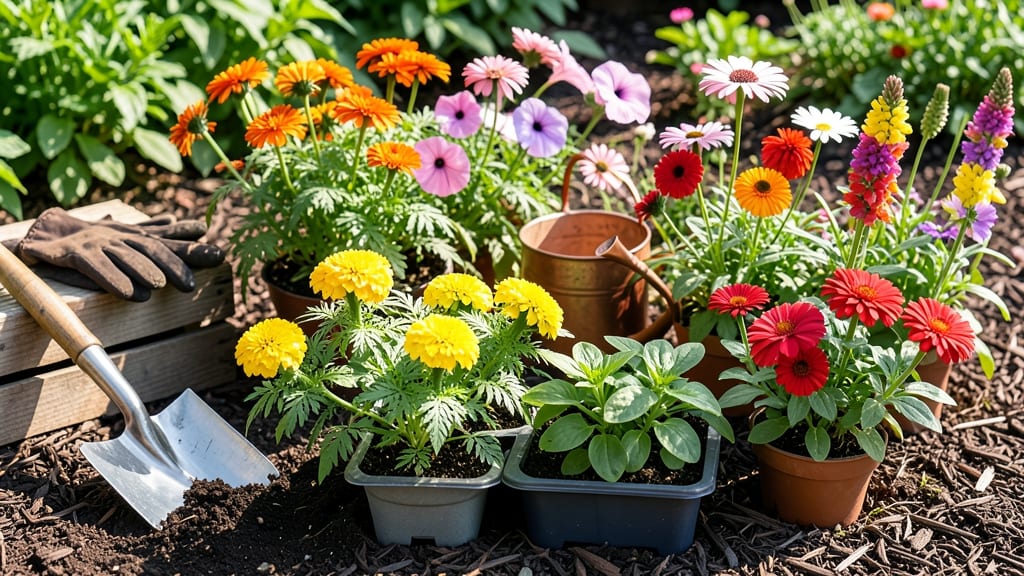
Knowing when to plant annuals in Zone 7 can mean the difference between a vibrant garden bursting with color and a sad, frost-nipped disappointment. The key isn't just about the calendar—it's about understanding your local frost dates and matching them with the right 🌸 annuals for your region.
In Zone 7, where frost typically lingers until mid-March, timing your plantings just right ensures your flowers and veggies thrive from spring through fall. Whether you're a seasoned gardener or just starting, getting this step right will give you the confidence to enjoy lush blooms all season long.
We'll break down exactly how to calculate your planting windows, from checking soil temperatures to hardening off seedlings. You'll also discover which annuals—like marigolds, zinnias, and snapdragons—love Zone 7's climate and when to plant them for maximum impact.
Ready to transform your garden into a year-round paradise? Let’s dive into the exact weeks before last frost that will set your annuals up for success—no guesswork required.

Zone 7 last frost dates: exact weeks before planting annuals for success
Understanding your Zone 7 last frost date is the first step to planting annuals successfully. While the average last frost falls around March 15, local microclimates can shift this by 2-4 weeks earlier or later.
For example, Asheville, NC typically sees frost until March 25, while Nashville, TN warms up by March 1.
Most annuals thrive when planted 2-4 weeks after your last frost date, but heat-loving varieties like marigolds or sunflowers can wait until 4-6 weeks after frost. Always check your soil temperature—it should reach 60°F (15°C) for optimal germination.
To track your local frost dates, use resources like the Old Farmer's Almanac or your local Cooperative Extension Service. These tools provide historical frost data and help you adjust for early springs or late frosts.
For cool-season annuals like pansies or snapdragons, you can even plant 6-8 weeks before your last frost date under row covers or in greenhouses. This extends your blooming season and gives you a head start on color.
🌱
🌡️ Zone 7 Last Frost & Planting Timeline
| Planting Window | Last Frost Date | Soil Temp | Ideal Annuals |
|---|---|---|---|
| Early Spring (Feb) | Feb 15 - Mar 1 | 45-55°F (7-13°C) | Pansies, Snapdragons, Lettuce |
| Late Spring (Mar-Apr) | Mar 15 - Apr 15 | 60-70°F (15-21°C) | Marigolds, Petunias, Zinnias |
| Early Summer (May) | Apr 15 - May 15 | 70-80°F (21-27°C) | Sunflowers, Cosmos, Basil |
| Late Summer (Jun-Jul) | After Jun 1 | 75°F+ (24°C+) | Portulaca, Celosia, Sweet Potatoes |
If you're planting seeds directly in the garden, start 4-6 weeks before your last frost date for cool-season crops like lettuce or spinach. For warm-season plants, wait until 2 weeks after your last frost date to avoid chilly soil stunting growth.
Pro tip: Use biodegradable seed starting pots if you begin indoors. Transplant seedlings 2-3 weeks before your last frost date to give them time to establish roots before spring temperatures rise.
For succession planting, make notes of your first frost dates in fall (typically November 15) to plan late-season crops like bush beans or kale. These can be sown 8-10 weeks before your first frost for a fall harvest.
Always monitor weather forecasts in the days leading up to planting. A late frost warning might mean delaying tender annuals like geraniums or impatiens by another week to avoid frost damage.
🌿
Best annual flowers by planting time in Zone 7: cool vs. warm season varieties
Zone 7 gardeners can extend their bloom time by choosing the right annual flowers for each season. Cool-season varieties like pansies and snapdragons thrive when planted 6-8 weeks before your last frost, while warm-season stars such as zinnias and marigolds need to wait until after the frost risk has passed.
For a continuous display of color, I recommend starting with cold-hardy annuals in early spring and transitioning to heat-loving varieties by late May. This strategy ensures your garden stays vibrant from March through October.
🌱 Cool-season annuals (plant 6-8 weeks before last frost):
- Pansies - March 1-15
- Snapdragons - March 15-30
- Sweet Alyssum - March 1-15
- Stock - March 1-15
- Calendula - March 15-30
🌞 Warm-season annuals (plant 2-4 weeks after last frost):
- Zinnias - April 15-May 1
- Marigolds - April 15-May 1
- Petunias - April 15-May 1
- Sunflowers - April 15-May 1
- Cosmos - April 15-May 1
- Early Spring (March 1-15): Plant cold-hardy annuals like pansies and sweet alyssum. These tolerate light frosts and bloom early.
- Late Spring (March 15-April 15): Transition to mid-season bloomers such as snapdragons and calendula. These handle cool nights but need warm days.
- Post-Frost (April 15-May 1): Introduce heat-loving annuals like zinnias and marigolds. These thrive in consistent warmth and full sun.
- Summer Succession (May-August): Replant fast-growing annuals like cosmos and sunflowers every 4-6 weeks for continuous blooms.
Don't forget about companion planting! Pair marigolds with tomatoes to deter pests, or plant basil near petunias to improve flavor and repel insects. These pairings create a thriving ecosystem while maximizing your garden's potential.
For extended blooms, deadhead spent flowers regularly and fertilize every 4-6 weeks with a balanced 10-10-10 formula. This encourages continuous flowering and keeps your garden looking its best throughout the season.
Remember, soil temperature matters just as much as air temperature. Wait until the soil reaches at least 60°F (15°C) before planting warm-season annuals. Use a soil thermometer to check—this small tool prevents costly mistakes.