
Trees
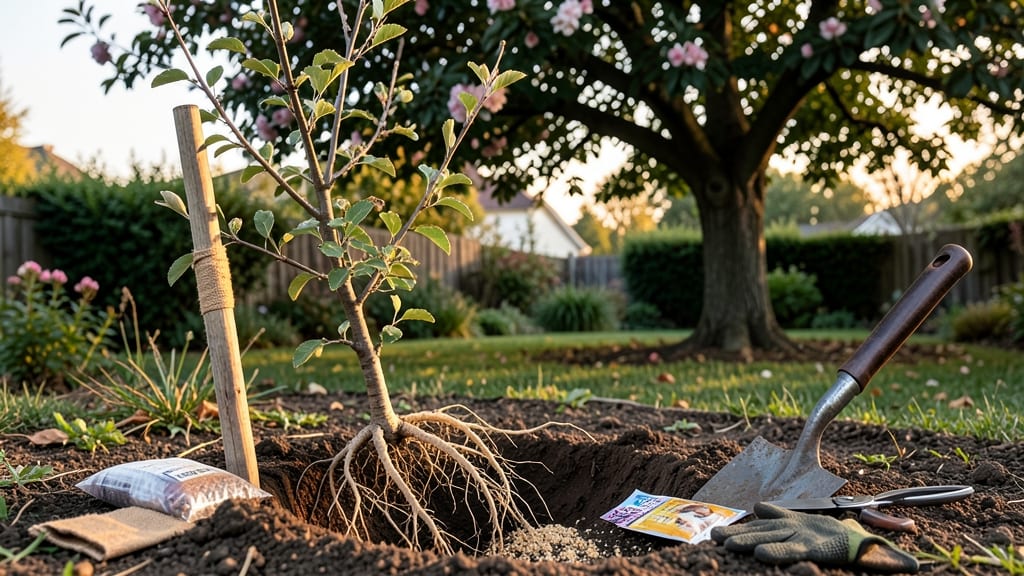
Planting an 🍎 apple tree in New Jersey at the wrong time could mean years of struggling with weak growth or poor fruit production. The key to success lies in understanding NJ's unique climate—where dormant season timing makes all the difference between a thriving orchard and a disappointing failure.
Most gardeners in zones 6a-7b assume spring is the only option, but fall planting can actually give your tree a head start. I’ll break down exactly when to plant for maximum root development, how to prepare your soil for NJ’s challenging conditions, and which varieties grow best in your backyard.
Whether you’re a first-time grower or a seasoned orchard keeper, getting this right means stronger trees, better harvests, and fewer headaches. Let’s dive into the perfect planting windows and pro tips that’ll set your apple tree up for success from day one.
From choosing disease-resistant varieties to spacing them correctly, I’ve got the actionable advice you need to turn your NJ garden into a fruitful haven. Ready to plant with confidence?
Best planting windows for apple trees in NJ: dormant season explained
New Jersey’s USDA hardiness zones 6b-7a create a unique challenge for apple tree planting—too early, and frost damages tender roots; too late, and your tree struggles to establish before summer heat.
The ideal window is during dormant season, when trees aren’t actively growing but can still develop robust root systems before spring. For NJ, this means late winter to early spring, specifically February through April, with March being peak timing.
Why dormant season? During this time, apple trees enter a natural resting phase, allowing them to focus energy on root growth rather than leaf or fruit production. Planting in cool soil temperatures (40-50°F) minimizes transplant shock and reduces stress from extreme heat or cold.
In NJ, this aligns perfectly with before bud break, typically occurring in late March to early April.
Missing the dormant window can lead to poor root establishment—a tree planted in summer or fall may suffer from heat stress, drought, or early frost damage.
For example, a tree planted in June might struggle to adapt before winter, while one planted in November risks freezing before roots can anchor. Timing is everything!
🌱 NJ Apple Tree Planting Timeline
| Season | Ideal Planting Months | Soil Temp (°F) | Key Consideration |
|---|---|---|---|
| Late Winter | February | 35-45°F | Bare-root trees only; minimal frost risk |
| Early Spring | March-April | 40-50°F | Best for container-grown trees; roots establish before bud break |
| Fall | October-November | 50-60°F | Risky; roots may not anchor before frost |
| Summer | June-August | 60-80°F | Avoid; extreme heat stresses roots |
NJ’s microclimates add another layer of complexity. Coastal areas like Cape May (Zone 7a) have milder winters, allowing for slightly later planting in early April, while inland regions like Sussex County (Zone 6b) demand earlier planting by mid-March to avoid late frosts.
Always check your last frost date—typically mid-April in most of NJ—to avoid planting too close to spring warmth.
For bare-root trees, the dormant season is critical. These trees are dug while dormant and shipped with minimal soil, so planting them in February or early March gives roots 6-8 weeks to establish before active growth begins.
Container-grown trees, however, offer more flexibility and can be planted through May, though they’ll need extra watering to compensate for slower root adaptation.
One common mistake is planting too early in January, when soil is still frozen in many NJ regions. Frozen soil prevents root growth, leaving your tree vulnerable to winter desiccation.
Conversely, planting in May risks heat stress and limited root development before summer. The 40-50°F soil temperature range is non-negotiable for successful establishment.
Pro tip: Use a soil thermometer to verify temperatures before planting. In northern NJ (Zone 6b), aim for late March planting, while southern NJ (Zone 7a) can wait until early April. This small adjustment can mean the difference between a thriving orchard and a struggling sapling.
If you miss the dormant window, don’t despair—container-grown trees can be planted in late spring, but they’ll need consistent watering and mulching to support root growth. Just be prepared for a slower start compared to dormant-season planting.
For NJ gardeners, the best month is almost always March. This gives roots time to establish before the peak growing season, ensuring your apple tree is ready to bloom, fruit, and thrive for decades to come. 🌳
Best planting windows for apple trees in NJ: dormant season explained
New Jersey’s USDA hardiness zones 6b-7a create a narrow window for planting apple trees—miss it, and you risk stunted growth or frost damage. The ideal time is late winter to early spring (February through April), when soil is workable but buds remain dormant.
This aligns with nature’s rhythm, giving roots 6-8 weeks to establish before summer heat arrives.
For bare-root trees, aim for planting between February 15 and April 15. Container-grown trees offer more flexibility, allowing planting until May 15, but avoid summer heat stress.
Fall planting is risky in NJ due to unpredictable frosts—only attempt it in October if soil temps stay above 50°F.
| Planting Window | Soil Temp Threshold | Root Development Goal | Frost Risk |
|---|---|---|---|
| Late Winter (Feb 15-Mar 15) | 40-50°F | Establish 6-8" roots | Low (dormant buds) |
| Early Spring (Mar 16-Apr 15) | 50-60°F | Develop 12-18" roots | Moderate (late frosts) |
| Fall (Oct only) | 50°F+ | Limited root growth | High (early frosts) |
NJ’s last frost dates vary by region: Northern areas (e.g., Sussex County) average April 15, while Southern regions (e.g., Cape May) see frost risks until April 30.
Use the 10-day forecast to gauge risk—plant when nighttime temps stay above 35°F consistently. Pro tip: Cover young trees with frost cloth if late frosts threaten.
For container-grown trees, extend your window until May 15 by watering deeply before planting. These trees adapt better to heat but still need 6-8 weeks of root establishment before summer’s peak. Avoid planting in July or August—the heat shock will stress roots and delay fruiting.
Timing isn’t just about months—it’s about bud dormancy. Plant when buds are still tight and brown, not swollen or green. In NJ, this typically means before March 15 for most varieties. Check your tree’s buds weekly in late winter—they’ll tell you when it’s time to plant.
Missed the window? Don’t panic. Container-grown trees can go in until May 15, and bare-root trees can sometimes recover if planted in early fall (October) with extra mulch.
Just be prepared for slower growth in the first year. The key is soil prep—amend clay-heavy NJ soils with compost to improve drainage and root penetration.