
Trees
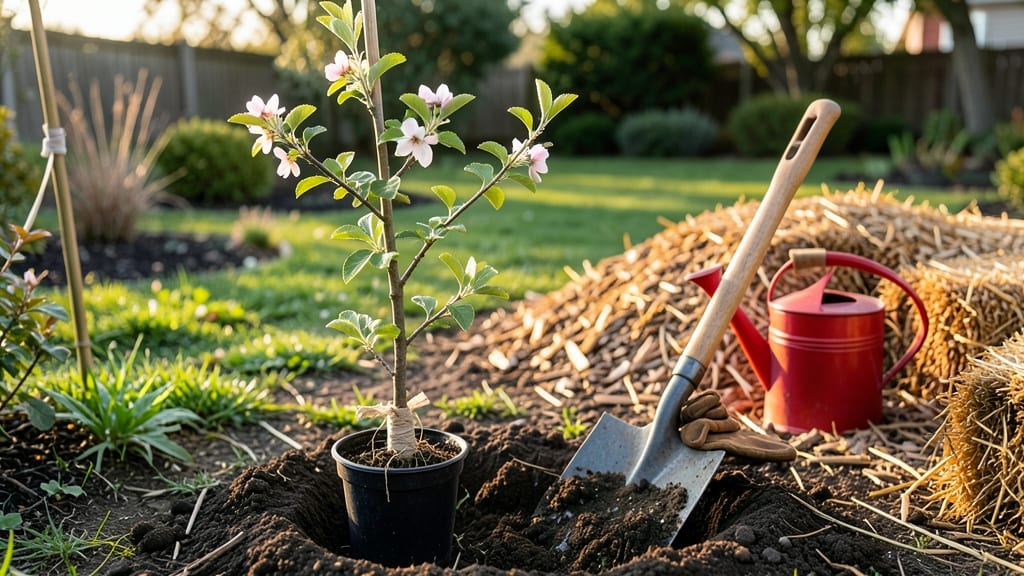
Timing your Apple Tree 🍎 planting in Oregon isn’t just about the calendar—it’s about matching your tree’s chill-hour needs to your microclimate. Plant too early, and frost can damage tender roots; too late, and your tree may struggle to establish before winter.
The 7b-9a zones here demand precision, especially when choosing between late winter or early spring windows.
Most gardeners in Oregon swear by planting between February and April, but the real secret lies in your specific region. The Willamette Valley’s milder winters favor early spring, while high-desert areas need the extra cold protection of late winter.
I’ll break down exactly which varieties thrive where—and when to avoid common pitfalls like overwatering or poor soil prep.
You’ll also discover how to read your local frost dates (like Portland’s March 15 average) to time your planting perfectly.
Whether you’re a first-time grower or a seasoned orchardist, these insights will help you pick the right moment for healthy roots, strong growth, and that first bountiful harvest in late summer.
Let’s dive into the science behind chill-hours, the best varieties for your zone, and the step-by-step process to get your Apple Tree off to the strongest start. Your future orchard depends on getting this right—and I’ve got the proven strategies to make it happen.
Best planting months in Oregon by microclimate and chill-hours
Oregon’s diverse climate zones—from the mild Willamette Valley to the high desert’s cooler winters—mean your apple tree’s planting window depends on chill-hours and last frost dates.
Most gardeners in Western Oregon (USDA Zones 8-9) should plant in late winter to early spring, while Eastern Oregon’s colder zones (7b) benefit from fall planting to establish roots before winter.
Apple trees need 300-1000 chill-hours (temperatures between 32-45°F) to bloom properly. Oregon’s Western regions typically have 500-800 chill-hours, while Eastern Oregon can exceed 1000 chill-hours. Match your variety to your local chill-hour range to avoid poor fruiting.
Bare-root trees (most common) should be planted in late winter (February-March) before buds swell, while container-grown trees can handle early spring (March-April) after the last frost. In Eastern Oregon, fall planting (October-November) is ideal for dwarf varieties with high chill-hour needs.
Here’s how Oregon’s three key microclimates influence your planting timeline:
🌱 Oregon Apple Tree Planting Guide by Region
| Region | Best Planting Window | Chill-Hours | Last Frost Date | Key Varieties |
|---|---|---|---|---|
| Western Oregon (Portland, Eugene) | Late February - Early April | 500-800 | March 15 - April 1 | Gala, Fuji, Honeycrisp |
| Coastal Oregon (Astoria, Newport) | March - Early May | 400-600 | April 1 - April 15 | Granny Smith, Pink Lady |
| Eastern Oregon (Bend, La Grande) | October - November OR February - March | 800-1000+ | March 22 - April 10 | Jonathan, McIntosh, Cortland |
In Western Oregon, aim for March planting—this gives roots time to establish before summer heat. Coastal areas can plant slightly later (April) due to cooler soils and delayed frost.
For Eastern Oregon, fall planting (October-November) is perfect for hardy varieties like McIntosh, which thrive in colder winters.
Always check your local frost dates—Portland’s last frost is around March 15, while Bend’s can linger until April 10. Planting too early risks frost damage to new growth, while waiting too long may stunt root development before summer.
Pro tip: Soil temperature should be above 40°F for planting. Use a soil thermometer to confirm—cooler soils in shady or high-elevation spots may delay planting by 1-2 weeks.
For container-grown trees, early spring (March-April) works best, as they adapt faster to transplanting. Bare-root trees, however, need moist soil and cool weather, making late winter ideal. Water deeply after planting to reduce transplant shock.
🌿
Top 5 apple tree varieties for Oregon and their ideal planting windows
Oregon’s diverse climate means not all apple varieties thrive equally. I’ve selected five top-performing varieties that match Oregon’s 300-1000+ chill hours and regional microclimates. Each has unique planting windows to maximize fruit production and tree health.
For Western Oregon (e.g., Portland, Eugene), prioritize varieties like 'Gala' and 'Fuji'—they handle 500-800 chill hours and bloom later, avoiding late spring frosts. In Eastern Oregon (e.g., Bend, La Grande), 'Granny Smith' and 'Honeycrisp' excel with 800-1000+ chill hours, thriving in cooler high-desert conditions.
Planting windows vary slightly based on variety and region. Most bare-root trees should go in late winter (February-March) before buds swell, while container-grown trees can wait until early spring (April) after the last frost. Always check your local last frost date—Portland’s is around March 15, but Medford’s can be as late as March 22.
| Variety | Chill Hours | Best Planting Window | Regions | Notes |
|---|---|---|---|---|
| Gala | 500-700 | Feb-Mar (bare-root) / Apr (container) | Western Oregon | Sweet, disease-resistant; needs pollinator |
| Fuji | 600-800 | Feb-Mar (bare-root) / Apr (container) | Western Oregon | Crisp, high yield; needs cross-pollination |
| Granny Smith | 800-1000+ | Feb-Mar (bare-root) / Early Apr (container) | Eastern Oregon | Tart, cold-hardy; self-pollinating |
| Honeycrisp | 700-900 | Feb-Mar (bare-root) / Late Mar (container) | Western/Eastern | Sweet-tart, needs pollinator; thrives in cooler areas |
| Jonagold | 600-800 | Feb-Mar (bare-root) / Apr (container) | Western Oregon | Versatile, disease-resistant; great for sauces |
If you’re planting in Coastal Oregon (e.g., Astoria, Newport), opt for 'Gala' or 'Jonagold', which tolerate milder winters and higher humidity. These varieties also handle Pacific Northwest’s rainy springs better than others.
For high-elevation areas (e.g., Mount Hood), 'Granny Smith' or 'Honeycrisp' are your best bets—they handle shorter growing seasons and cooler nights.
Pro tip: Pair varieties with compatible pollinators for better fruit set. For example, plant 'Gala' near 'Fuji' or 'Jonagold'. In Eastern Oregon, 'Granny Smith' is self-pollinating, so you can plant just one tree. Always space trees 15-25 feet apart for airflow and disease prevention.
After planting, focus on soil moisture and mulching to retain winter chill. In drought-prone Eastern Oregon, deep watering every 10-14 days is key. For Western Oregon’s wetter climate, ensure well-draining soil to avoid root rot.
With the right variety and timing, your apple tree will thrive and bear fruit for decades!