
Plants
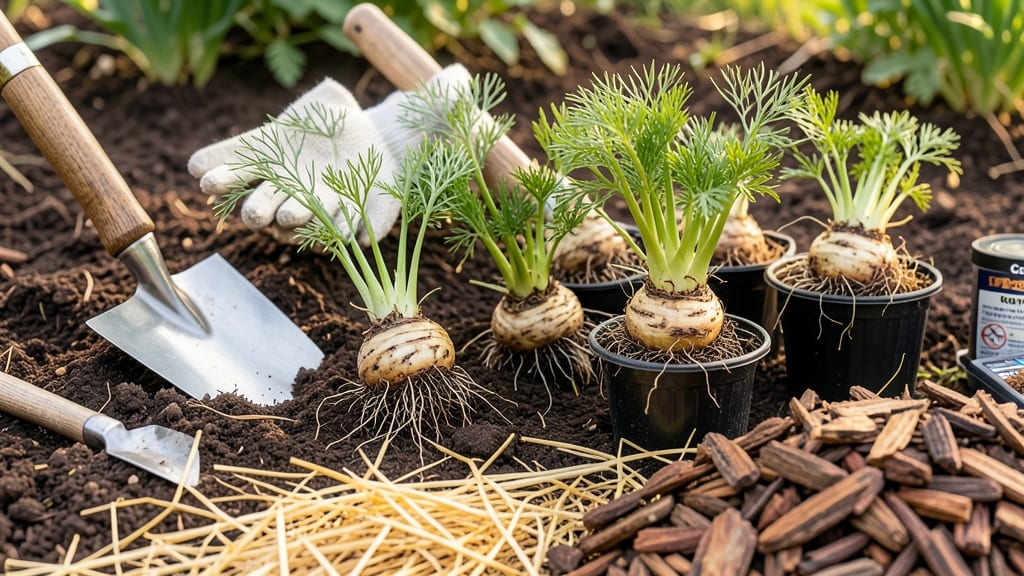
Planting asparagus in Maine at the wrong time can mean years of disappointment—no spears until year 3, if at all. The key? Timing it right between March and April, when soil temperatures hit 50°F and frost threats fade.
Skip this window, and you risk bolting (those bitter, flower-filled stalks) or stunted growth.
I’ve seen Maine gardeners pull out their hair over asparagus failures, only to realize they planted too early or ignored soil prep. The secret isn’t just the calendar—it’s crown depth, mulching, and knowing whether your zone leans toward 5b (cooler coastal areas) or 6b (warmer inland spots).
Get this right, and you’re set for harvests in May and June starting year two.
Here’s what I’ll cover: the exact frost-date rules for Maine’s regions, why crowns beat seeds for beginners, and how to adjust planting if you’re in a late-frost year. Spoiler: The first two years are all about building roots—so patience (and proper timing) pays off big.
Ready to turn your backyard into a spear-producing powerhouse? Let’s dive into the step-by-step schedule that’ll have you harvesting like a pro—no bolting, no guesswork.
Maine’s ideal asparagus planting window: frost dates & soil prep
Maine’s cool climate and variable frost dates make timing critical for asparagus success. Planting too early risks frost damage, while late planting delays your first harvest. The ideal window is when soil temperatures hit 40°F (4°C) and remain stable—typically late March to mid-April in most of Maine.
Southern Maine (Zones 6a-6b) can start as early as late February for crown planting, but northern regions (Zones 5a-5b) should wait until mid-April. Seeds, which take longer to establish, should be sown 4-6 weeks before your last frost date—usually early April for most areas.
Asparagus crowns are the preferred method for Maine gardeners because they establish faster than seeds. Choose 1-year-old crowns with 8-10 healthy buds for the best start. Avoid planting in waterlogged soil or areas with high clay content, as asparagus roots need excellent drainage to thrive.
Soil preparation is key: Work in 2-3 inches of compost and a balanced fertilizer (5-10-10) before planting. Asparagus is a perennial crop, so invest time in your bed now—it’ll pay off for 15-20 years of harvests. Test your soil’s pH; aim for 6.5-7.5 for optimal growth.
Here’s your Maine-specific planting timeline to avoid common mistakes:
| Region | Last Frost Date | Ideal Planting Window | Soil Temp Threshold | Key Tip |
|---|---|---|---|---|
| Southern Maine (Portland, Kittery) | Mid-May | Late March - Early April | 40°F (4°C) | Use black plastic mulch to warm soil faster. |
| Central Maine (Augusta, Waterville) | Late May | Mid-April | 45°F (7°C) | Wait for consistent 50°F (10°C) days. |
| Northern Maine (Bangor, Presque Isle) | Early June | Late April - Early May | 50°F (10°C) | Extend season with row covers if frost threatens. |
For crown planting, dig trenches 6-8 inches deep and space crowns 12-18 inches apart in rows 3 feet apart. This spacing gives roots room to spread and reduces competition. Once planted, cover the crowns with 2-3 inches of soil and let them establish before adding more.
If you’re using seeds, start them indoors 8-10 weeks before your last frost date or sow directly in late April to early May. Seeds take 2-3 years to reach full production, while crowns deliver spears in 2 years—making them the smarter choice for Maine’s short growing season.
Pro tip: Mark your planting site with stakes or flags to avoid disturbing the roots later. Asparagus plants are permanent, so choose a location where they won’t be disturbed for decades. Mulch heavily with straw or wood chips to retain moisture and suppress weeds during the critical first year.
After planting, water deeply once a week to encourage root growth. Avoid overwatering, which can lead to rot. In Maine’s humid climate, proper drainage is non-negotiable—amend heavy soils with sand or perlite if needed.
Your first harvest won’t come until year 2 or 3, but patience pays off. With the right timing and prep, your asparagus bed will reward you with juicy spears for decades—no other vegetable offers that kind of long-term payoff! 🌱
How to time asparagus planting for zero bolting in Maine’s climate
Maine’s short growing season demands precision when planting asparagus—especially to prevent bolting (premature flowering). The key is planting crowns when soil temperatures hit 50°F but before the last frost, typically late March to mid-April in most regions.
Northern Maine gardeners should wait until mid-April to early May to avoid frost damage.
Bolting occurs when asparagus crowns sense warmth too early, diverting energy to seed production instead of spears. To prevent this, I always mulch heavily (4–6 inches of straw or wood chips) after planting to stabilize soil temps and insulate roots.
This buffer delays spring warming by 1–2 weeks, giving your plants time to establish before bolting triggers kick in.
Another critical trick? Plant crowns 6–8 inches deep—deeper than most gardeners realize. This mimics natural soil conditions and reduces temperature fluctuations that spur bolting. I use a shovel to create trenches, place crowns horizontally, and cover with soil, ensuring roots face downward for optimal growth.
For gardeners in early frost years, delay planting until mid-May—even if it means skipping the first harvest. I’ve seen asparagus planted in late April in cold years bolt within weeks, while May-planted crowns thrived without flowering. Use a soil thermometer to confirm 50°F+ soil temps before planting.
After planting, I mark my asparagus beds with stakes and twine to avoid disturbing roots during weeding. Asparagus needs 2–3 years to establish, so patience is key. No harvesting in year one—let the crowns build energy for future spears.
In years two and three, harvest no more than 20% of spears to prevent stress-induced bolting.
Finally, monitor your plants for fern-like foliage in late summer—a sign of maturity. This indicates the crown is ready for next year’s harvest. By timing your planting to Maine’s frost-free window and using these techniques, you’ll enjoy thick, tender spears for decades, not just a few years.