
Plants
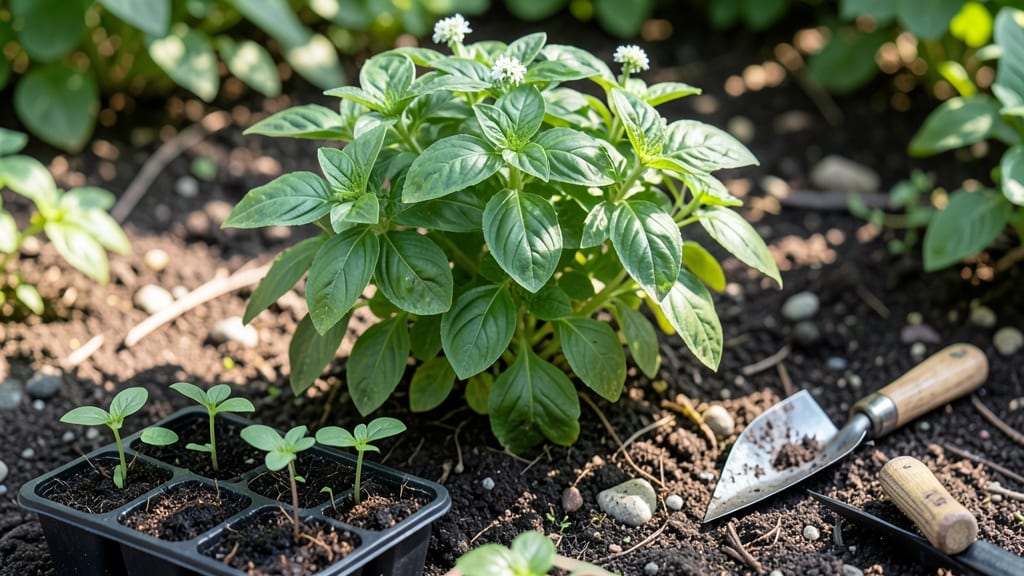
Planting basil in Arizona isn’t just about checking a calendar—it’s all about soil warmth, and getting that timing wrong could mean the difference between lush, flavorful 🌿 and sad, struggling plants.
Unlike cooler climates, Arizona’s desert heat means your basil seeds need soil temperatures of at least 50°F to germinate properly, and waiting until the air warms up isn’t enough.
If you’ve ever planted basil only to watch it wilt under the sun or bolt too quickly, you’re not alone. The key is understanding when your soil is ready—not just when the last frost passes.
In Zone 9b, that usually means aiming for late winter to early spring or late summer for a fall harvest, but microclimates like Phoenix and Flagstaff can shift those windows by weeks.
I’ll walk you through exactly how to time your basil planting for fast germination and a longer harvest, including when to start seeds indoors versus direct sowing. Plus, we’ll cover heat-tolerant varieties and how to protect your plants from Arizona’s intense sun—so you can enjoy fresh basil all season long.
Whether you’re a first-time gardener or a seasoned green thumb, these tips will help you avoid common mistakes and grow basil that’s bolted-resistant and bursting with flavor. Let’s get those seeds in the ground at the perfect moment!
Arizona basil planting timeline based on soil temperature (not calendar dates)
Arizona’s basil success hinges on soil temperature, not just air temps. Unlike cooler climates, desert soils heat up fast—sometimes 20°F warmer than the air. Basil seeds need 50°F+ soil to germinate, while optimal growth requires 60°F+.
Planting too early (like February) risks slow sprouts or rot, while waiting until June might miss the spring harvest window.
Use a soil thermometer ($10 at garden centers) to check temps at 4-inch depth. In Phoenix, this means waiting until mid-March for spring planting, while Flagstaff’s cooler soils may need to wait until late April.
Fall planting (September-October) works best when soil cools to 65-75°F—ideal for avoiding summer’s extreme heat.
⚠️ Critical Tip: Avoid planting when daytime highs exceed 95°F. Basil bolts (goes to seed) faster in heat, turning bitter. Shade cloth (30-50%) can extend your harvest by 3-4 weeks during peak summer.
| Stage | Soil Temp (°F) | Arizona Month | Action |
|---|---|---|---|
| Germination | 50-55°F | Mid-March (Low Desert) | Start seeds indoors or sow outdoors |
| Optimal Growth | 60-65°F | April-May | Transplant seedlings; mulch to retain moisture |
| Heat Stress Risk | Above 80°F | June-July | Use shade cloth; harvest aggressively |
| Fall Replant | 65-75°F | September-October | Direct sow or transplant; avoid frost |
For container gardening in Arizona, fill pots with cactus mix (30% perlite) to improve drainage. Containers heat up faster than ground soil, so monitor temps closely. A black pot absorbs heat—opt for terracotta or fabric pots instead to keep roots cooler by 5-10°F.
Pro tip: Test your soil’s drainage before planting. Dig a hole, fill it with water, and time how long it takes to drain. If it’s slower than 1 hour, amend with sand or compost. Basil hates soggy roots, which is common in Arizona’s clay-heavy soils.
In high-altitude areas (e.g., Flagstaff), aim for late April planting. These regions have 10-14°F cooler soil temps than Phoenix, delaying germination by 2-3 weeks. Check the AZ Cooperative Extension frost maps for your exact location.
✅ Success Hack: Plant basil near tomatoes or peppers to repel pests naturally. The marigold companion plant also deters whiteflies, a common Arizona basil threat. Just avoid planting near rue or fennel, which stunt basil’s growth.
Remember: Soil temp > air temp in Arizona. A 70°F March morning might feel pleasant, but your soil could still be 45°F—too cold for basil seeds. Always check with your thermometer before planting.
For indoor starts, use a heat mat ($15) to maintain 70-75°F soil for faster germination. Seedlings will be ready for transplant in 4-6 weeks, just as outdoor soil warms up.
Arizona basil planting timeline based on soil temperature (not calendar dates)
Arizona’s desert climate means soil temperature is more important than air temperature when planting basil. Seeds need soil to reach at least 50°F to germinate, while optimal growth occurs at 60°F+.
In Zone 9b, this typically aligns with late winter to early spring or late summer for fall harvests—but your exact timing depends on your microclimate.
For example, Phoenix soil warms up faster than Flagstaff, so Phoenix gardeners can start seeds indoors in mid-February, while Flagstaffers should wait until late March. Always check soil temps with a thermometer—don’t rely on calendar dates alone.
Here’s the ideal planting timeline for Arizona basil, broken down by season and soil conditions:
Pro tip: Use a soil thermometer to test temps at 4-inch depth—where roots grow. If your soil is still below 50°F in March, wait another week. Patience here prevents slow germination and leggy seedlings.
For container gardening in urban Arizona, soil warms faster than in-ground beds. You can start seeds 2–3 weeks earlier in pots, but monitor for overheating—black containers absorb too much sun and can scorch seeds.
Remember: Fall planting (August–September) is your golden window in Arizona. Soil stays warm long enough for germination but cools just enough to prevent bolting. That’s why many local gardeners swear by this season for their best basil yields!