
Plants
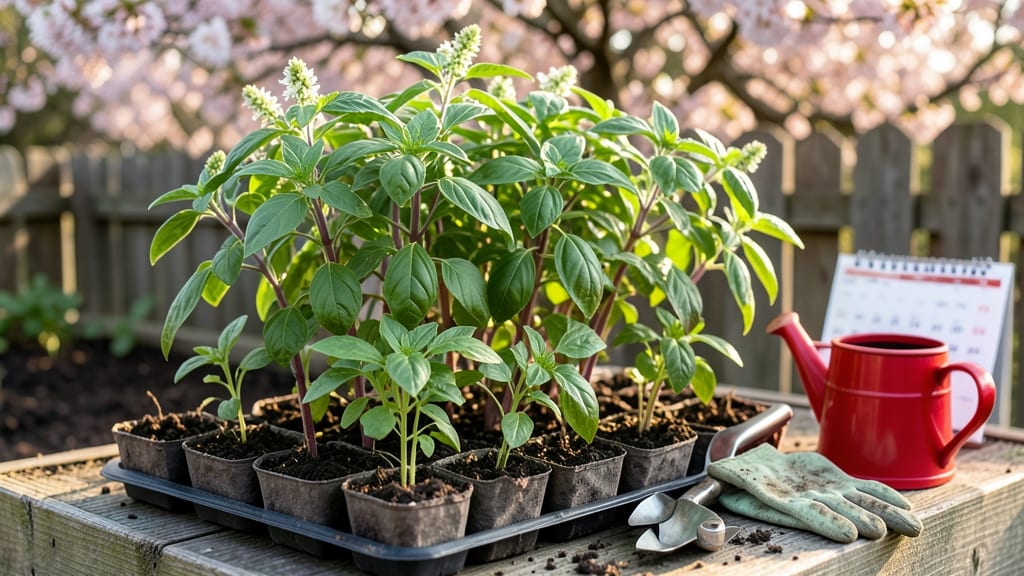
Timing your basil planting in Colorado can feel like a high-stakes game—get it wrong, and you’re left with wilted 🌿 dreams instead of fragrant harvests. The key? Waiting until the last frost has truly passed, which varies wildly across the state’s elevation zones.
In Colorado’s 5-7 zones, frost-free dates stretch from late April in lower elevations to early June in mountainous regions. That means Denver gardeners might plant by May 1, while Boulder’s higher altitude could push timing to early June.
The difference? 120-180 frost-free days to grow basil from seed to harvest.
Here’s the game-changer: soil temperature matters more than calendar dates. Basil thrives when soil hits 50°F—use a soil thermometer to confirm before sticking seeds in the ground. And if you’re impatient? Start seeds indoors 6-8 weeks before your expected last frost date.
Whether you’re a Front Range gardener or tucked into the Rockies, we’ll break down exactly when to plant—plus how to stretch your basil’s harvest through Colorado’s short growing season. Let’s get those pots ready!
Colorado’s frost-free dates for basil by elevation zone
Colorado’s dramatic elevation shifts—from Denver’s 5,280 feet to mountain towns like Boulder (5,430 feet)—create wildly different last frost dates. Planting basil too early risks frost damage, while waiting too long shortens your harvest. Let’s break it down by elevation so you can time your planting perfectly.
At 2,000–4,000 feet (e.g., Colorado Springs), the average last frost is April 15–May 1. Urban areas like Denver (5,280 feet) typically see frost-free conditions by May 1–15, while high-altitude zones (6,000+ feet) may not be frost-free until June 1 or later.
Basil thrives in USDA Zones 5–7, but Colorado’s microclimates complicate timing. Urban areas warm faster than rural zones, and south-facing slopes thaw earlier. Always check your local Almanac frost dates—they’re your best guide.
For Denver-area gardeners, aim to plant basil after May 15 to avoid late frosts. In Colorado Springs, you can start as early as April 20, while mountain gardeners (6,000+ feet) should wait until June 1 or later.
| Elevation Zone | Avg. Last Frost | Planting Window | Harvest Start |
|---|---|---|---|
| 2,000–4,000 ft (Colorado Springs) | April 15–May 1 | April 20–May 10 | June 1–15 |
| 4,000–6,000 ft (Denver, Boulder) | May 1–15 | May 20–June 1 | June 15–30 |
| 6,000+ ft (Mountain Towns) | June 1–15 | June 20–July 1 | July 15–August 1 |
Soil temperature is just as critical as air temperature. Basil won’t germinate until the soil reaches 50°F. Use a soil thermometer to confirm—cold soil delays growth and invites rot. In high-altitude areas, soil may stay chilly even after frost risk passes.
If you’re eager to start early, seed-start indoors 4–6 weeks before your last frost date. Transplant seedlings outdoors only after the soil warms and nighttime temps stay above 55°F. Hardening off seedlings for 7–10 days before transplanting reduces shock.
Urban gardeners in Denver or Colorado Springs can push the envelope slightly by using row covers or cold frames to extend the season. These protect young plants from late spring frosts and let you plant basil 2–3 weeks earlier than the average frost date.
For mountain gardeners, focus on fast-maturing varieties like Genovese or Purple Ruffles, which reach harvest in 45–50 days. Plant them after June 1 to maximize your short growing season.
Always monitor your local weather forecasts in the weeks leading up to planting. A late frost warning in early May can derail your plans—so keep those row covers handy!
Pro tips for planting basil in Colorado’s short growing season
Colorado’s short growing season can make basil feel like a high-maintenance herb—but with the right tricks, you’ll harvest fragrant leaves from May through September. The secret? Extend your season using these proven strategies tailored to Colorado’s climate.
First, start seeds indoors 6-8 weeks before your last frost date. Use biodegradable pots to avoid transplant shock when moving seedlings outdoors. For Denver gardeners, this means sowing in early April, while high-altitude areas like Fort Collins should wait until mid-April.
🌱 Visual Tip: Place seed trays near a south-facing window or under grow lights for 12-14 hours daily. Keep soil consistently moist (not soggy) to prevent damping-off disease.
🌿 5 Pro Tips to Extend Your Basil Harvest
- 📅 Plant fast-maturing varieties like Genovese (45 days) or Purple Ruffles (50 days) to beat Colorado’s early frosts.
- 🛡️ Use row covers (lightweight fabric) to protect seedlings from late spring frosts (28°F tolerance for 24 hours).
- 🌡️ Monitor soil temperature—basil won’t germinate below 50°F. Use a soil thermometer to confirm readiness.
- 💧 Avoid overwatering in Colorado’s clay soil. Water deeply every 2-3 days but let topsoil dry slightly between waterings.
- 🌿 Pinch flowers to redirect energy to leaves. This keeps basil tender and flavorful instead of bitter and woody.
For high-altitude gardens (6,000+ ft), consider container growing on patios or balconies. Containers warm up faster than in-ground soil and let you move plants indoors before the first frost (typically mid-September). Place pots near a sunny window or under grow lights to keep them producing until Christmas!
🌱 Common Mistake: Don’t rush to plant after the average last frost date. Check local weather forecasts and wait for 3 consecutive nights above 32°F to ensure safety. In Colorado Springs, this often means waiting until May 10—not the April 15 average.
Pro tip: Succession plant every 2 weeks from May to July. This ensures a continuous harvest and makes the most of Colorado’s 120-180 frost-free days. Even if your first batch bolts, new seedlings will be ready to take over!