
Plants
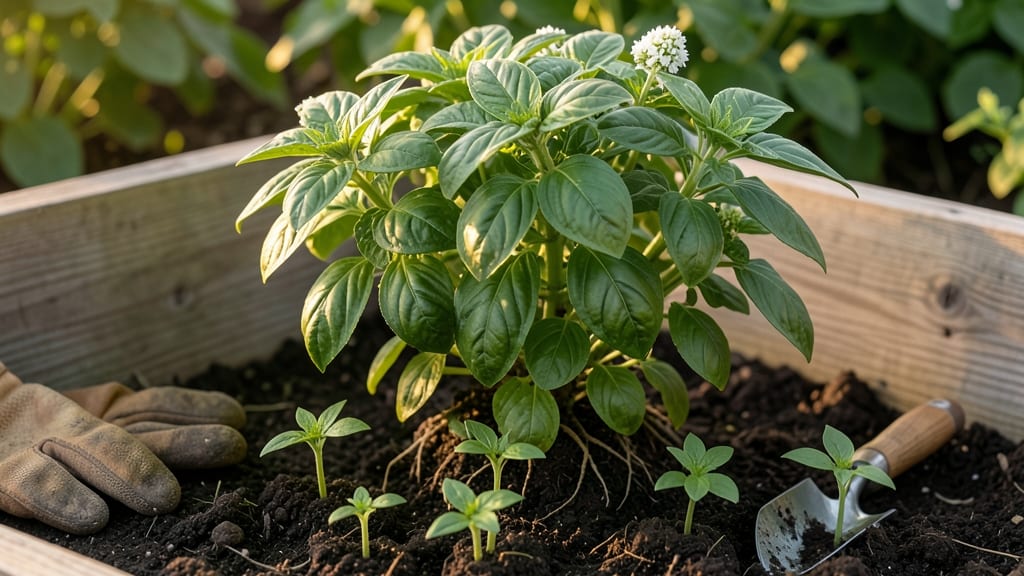
Timing your basil planting in Oregon wrong can mean the difference between a thriving herb garden and a sad, bolted disappointment. This Mediterranean plant craves warmth, but Oregon’s unpredictable climate—especially in USDA zones 7b-9a—makes getting it right tricky.
If you’ve ever watched your basil turn bitter or flower too soon, you’re not alone. The key is planting after the last frost when soil temperatures consistently hit 60°F, usually between late April and early May.
But here’s the catch: even then, cooler coastal areas or high-elevation spots need extra care.
I’ll walk you through the exact window for your region, plus smart workarounds like starting basil indoors or using containers to extend your growing season. No more wasted plants—just lush, flavorful basil all summer long.
Ready to master the schedule? Let’s dive into the heat-loving schedule that keeps your basil happy and productive from start to harvest.
Oregon’s ideal basil planting timeline: avoiding bolt and frost
Basil thrives in warm soil and consistent heat, which makes Oregon’s USDA zones 7b–9a tricky. The key window is after your average last frost date—typically mid-April to early May in most regions—but soil temperature matters more than calendar dates.
Aim for 60°F+ soil at 4 inches deep, a threshold that usually aligns with late May in coastal areas and early May inland.
For direct-sown basil, wait until two weeks after your last frost date. This gives young plants time to establish before Oregon’s unpredictable spring chills. If you’re starting indoors, begin seeds 6–8 weeks before your last frost date—around mid-March—to transplant hardened-off seedlings after the frost risk passes.
Here’s the golden rule: Basil bolts (goes to seed) when stressed by cool nights or long daylight hours. In Oregon, this means planting too early risks stunted growth, while waiting too long may shorten your harvest window. Balance is everything.
| Stage | Action | Oregon Timeline |
|---|---|---|
| Start Indoors | Sow seeds in trays | Mid-March |
| Hardening Off | Acclimate seedlings | Late April |
| Transplant Outdoors | Move to garden/container | Mid-May (coastal) / Early May (inland) |
| Direct Sow Outdoors | Plant seeds directly | Late May |
| First Harvest | Pick leaves for flavor | Late June–July |
Oregon’s microclimates complicate timing. Coastal areas like Astoria or Newport may wait until June for soil warmth, while inland spots like Bend or Salem can plant 2–3 weeks earlier.
Check your local frost-free date (via Almanac.com) and add 14–21 days for safety. For container gardening, you can push planting 1–2 weeks later since pots warm faster.
Basil needs 6–8 hours of sun daily, but Oregon’s summer cloud cover can trick you. If your garden gets morning sun + afternoon shade, opt for Genovese or Thai basil, which tolerate partial shade better than Sweet basil.
Always plant in well-draining soil—Oregon’s clay-heavy soils can cause root rot if amended with compost or perlite.
Pro tip: Use a soil thermometer to confirm 60°F+ soil before planting. Cold soil delays germination and invites damping-off disease. If your soil is still chilly, mulch with black plastic for 1–2 weeks to warm it faster. This is especially critical in Zone 7b areas like Portland’s outskirts.
For a second harvest, try late summer planting (early August) in containers. Basil grows quickly in warm fall air, and you can protect plants with row covers if frost threatens in September. This extends your season by 4–6 weeks.
Remember: Basil hates cold. If a late spring frost hits after planting, cover seedlings with frost cloth or move containers to a sheltered spot. A single 28°F night can kill young plants outright.
With the right timing, you’ll enjoy flavorful basil from July through September—just in time for summer salads and homemade pesto. The secret? Patience + preparation to outsmart Oregon’s quirky weather.
3 Critical factors that determine your basil planting schedule in Oregon
Oregon’s diverse microclimates mean your basil planting schedule could vary by 50 miles. Coastal areas like Astoria stay cooler longer, while inland spots like Bend warm up faster—sometimes by 2-3 weeks.
Always check your local last frost date, which ranges from late April in Willamette Valley to mid-May in higher elevations.
Elevation plays a huge role: Mount Hood’s foothills (USDA Zone 7) may need to wait until mid-June for safe outdoor planting, while Portland’s urban heat islands (Zone 8) can start as early as late April. Use a soil thermometer—basil thrives when soil hits 55°F+ consistently.
For late summer harvests, try a second planting in mid-July using heat-tolerant varieties like ‘Genovese’ or ‘Spicy Globe’. These hold up better to Oregon’s September heat waves before first frost (October 15 in most areas). Just be prepared to harvest aggressively to prevent bolting.
Pro tip: Use black plastic mulch to warm soil 5-7°F faster, letting you plant 10-14 days earlier in cooler zones. Pair this with row covers for 3-4 weeks post-planting to shield tender seedlings from unpredictable spring chills.
If you’re in Zone 9 (Medford), you might even squeeze in two full harvests: one spring planting (April) and one late summer (July). Just monitor nighttime temperatures—basil bolts when nights drop below 55°F for more than 3 nights.
Remember: Container gardening gives you the most flexibility. Fill pots with well-draining potting mix and place them on patios or decks where you can move them to sunniest spots as seasons shift. This lets you start indoors in March and transplant outdoors after last frost.