
Plants
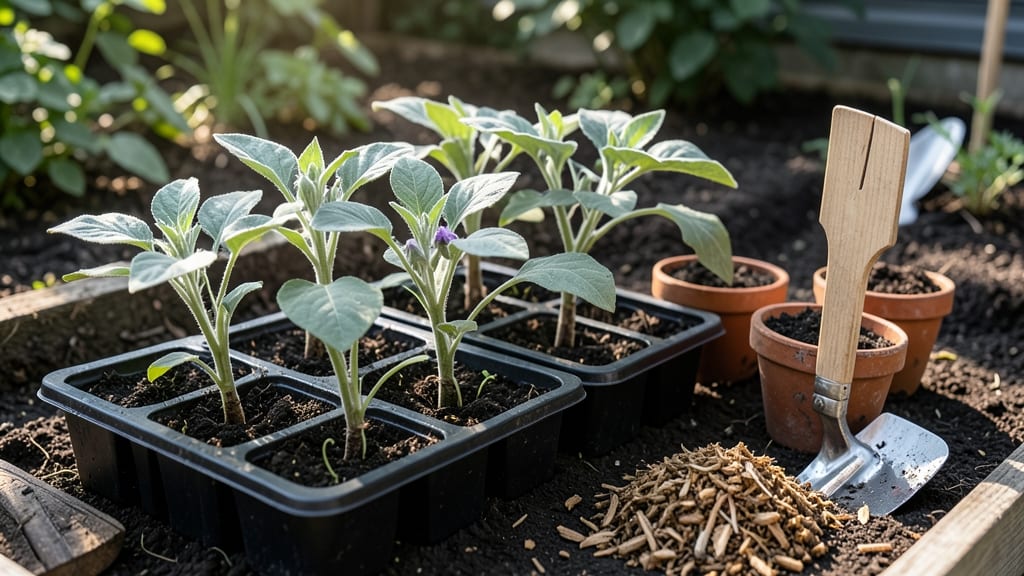
Timing your eggplant 🍆 planting in North Carolina isn't just about avoiding frost—it's about giving these heat-lovers the perfect start for a bountiful harvest. Skip the guesswork and learn exactly when to plant for your specific region, whether you're in the mountains, Piedmont, or coastal areas.
Eggplants crave warmth, so waiting until soil temperatures hit 70°F or higher is non-negotiable. That means late April to early June for most of NC, but we'll break down the exact windows for your microclimate.
Miss this window, and you risk stunted plants or worse—frost damage that can kill them overnight.
Don't have a greenhouse? No problem. I'll show you how to extend your growing season with simple tricks like black plastic mulch and row covers. Plus, we'll cover when to start seeds indoors for an early jump on the season—because in NC's unpredictable climate, every day counts.
Ready to grow eggplants 🍆 that thrive from July through October? Let's dive into the exact schedule and pro tips that'll have your plants flourishing all summer long—no more second-guessing your planting dates.
Best planting windows for eggplant in NC: avoiding frost and heat stress
North Carolina’s diverse climate means eggplant planting dates vary dramatically from the Coastal Plain to the Mountains. Eggplants hate frost and need warm soil (at least 60°F) to thrive. Planting too early risks stunted growth, while waiting too long may shorten your harvest before fall frosts hit.
Most NC gardeners aim to plant eggplants after the last frost date, typically late April to early June. However, soil temperature matters more than air temperature—eggplants won’t germinate well in cold soil. Use a soil thermometer to confirm 70°F+ soil before planting.
Here’s how to adjust your planting timeline based on NC’s three main regions:
| Region | Last Frost Date | Optimal Planting Window | Soil Temp Requirement | First Frost Risk |
|---|---|---|---|---|
| Coastal Plain | April 1 - April 15 | Late April - Early May | 65°F+ (warmer faster) | Late October - December |
| Piedmont | March 20 - April 10 | Early May - Early June | 70°F+ (gradual warming) | Mid-October - November |
| Mountains | March 1 - March 15 | Late May - Early June | 75°F+ (slow warming) | Early October - Mid-October |
For Coastal NC, you can plant as early as late April because the soil warms faster. In the Piedmont, wait until early May to avoid late-spring frosts. Mountain gardeners should hold off until late May—soil stays cool longer at higher elevations.
Eggplants are heat-loving annuals, so aim to plant them 8-10 weeks before your first frost. This gives them enough time to mature before fall temperatures drop. For example, if your first frost is October 15, plant by mid-August for a harvest.
If you’re starting seeds indoors, begin them 8-10 weeks before your last frost date. Use grow lights or a sunny windowsill to ensure strong seedlings. Harden them off for 7-10 days before transplanting outdoors after the last frost.
Pro tip: Use black plastic mulch to warm the soil faster and extend your planting window by 2-3 weeks. It also suppresses weeds and retains moisture—critical for eggplants’ high water needs.
Remember, eggplants grow best in full sun (6+ hours daily) and well-draining soil. Amend your garden beds with compost to improve drainage and fertility before planting.
🌱
How to extend eggplant season in NC: transplanting, mulching, and row covers
North Carolina’s short growing season can feel like a race against time for eggplants. But with the right strategies, you can safely push your planting windows earlier or extend harvests later.
The key? Warming soil, protecting seedlings, and managing heat stress—all while avoiding common pitfalls like fungal diseases or stunted growth.
For gardeners in the Piedmont and Mountain regions, where nights stay chilly longer, starting seeds indoors is a game-changer. Begin 8-10 weeks before your last frost date (typically mid-March for the Mountains, early April for Piedmont). This gives you a head start on the 70°F soil temperature eggplants crave.
Here’s how to maximize your eggplant season in NC—step by step:
Use seed-starting trays with sterile potting mix and keep under grow lights (12-14 hours/day). Harden off seedlings for 7-10 days before transplanting.
Lay black plastic mulch 2-3 weeks before planting to raise soil temps by 10-15°F. This helps in Coastal NC (where soil warms faster) and Piedmont (where cooler nights linger).
Use floating row covers or low tunnels until soil reaches 65°F+. Remove covers during the day to prevent overheating, but leave them at night for frost protection in May.
Wait until soil temps are consistently 70°F+ (use a soil thermometer!). Coastal areas can plant 2-3 weeks earlier than the Mountains due to warmer microclimates.
For a second harvest, plant dwarf varieties (like ‘Fairy Tale’) in late July and use cold frames to protect from early frosts. Harvest before temps drop below 50°F at night.
One of my favorite tricks? Planting eggplants near basil or marigolds—these companions deter pests like colorado potato beetles and aphids, which love stressed eggplant seedlings. Plus, basil’s scent masks eggplant’s natural fragrance, confusing pests away from your plants.
Remember, eggplants hate soggy roots—always ensure your soil has good drainage, especially in NC’s humid summers. If you’re in a low-lying area, raise beds or use containers to prevent waterlogged soil, which leads to root rot and blossom drop.
A quick soil test (aim for pH 6.0-6.8) ensures your plants thrive.
With these strategies, you can enjoy homegrown eggplants from June through October—even in NC’s variable climate. Just keep an eye on weather forecasts and adjust your row covers or mulch as needed. Happy gardening! 🌱