
Plants
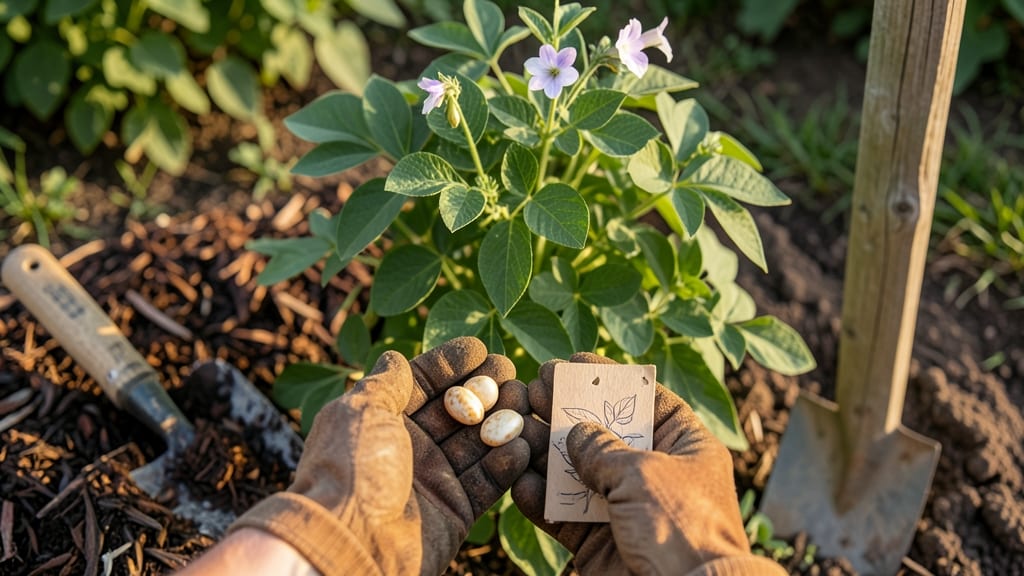
Timing your beans 🌱 planting in Indiana could mean the difference between a thriving garden and a disappointing harvest. The Hoosier State’s unpredictable spring weather makes getting the schedule right absolutely critical—especially when those tender seedlings can’t handle even a light frost.
Most gardeners know to wait until after the last frost date, but there’s more to it than just checking the calendar. Soil temperature plays a huge role, and planting too early—even if the air feels warm—can leave your beans struggling in cold ground.
Let’s break down the exact windows you need to target for both spring and fall plantings.
Whether you’re growing bush beans, pole beans, or specialty varieties like limas, each type has its own ideal timing.
We’ll cover how to adjust for Indiana’s microclimates, from the warmer southern regions to the cooler northern areas, so you can maximize your yield no matter where you live in the state.
Ready to avoid common mistakes and set your beans up for success? I’ll walk you through everything you need to know—from soil prep to companion planting—to ensure your garden thrives all summer long.
Indiana bean planting calendar: frost-free dates by bean type
Indiana’s USDA Zones 5-6 mean your bean planting timeline depends on whether you’re in Northern Indiana’s cooler zone or Southern Indiana’s warmer microclimate. Most gardeners aim for after the last frost date, typically April 15–May 15, but soil temperature is just as critical.
Beans need soil temps of 60°F+ to germinate properly—waiting for warm soil prevents seed rot and ensures strong starts.
For spring planting, focus on bush beans and pole beans, which thrive in Indiana’s short growing season. Lima beans and runner beans prefer slightly warmer conditions, so they often get a late start in May or early June.
Meanwhile, a fall harvest is possible with late July–August sowings, giving you pods until first frost (mid-October).
Here’s the breakdown of ideal planting windows for Indiana’s most popular bean varieties, including soil prep tips to avoid common pitfalls like cold soil or overcrowding.
For Northern Indiana (e.g., Fort Wayne, Gary), stick to the earlier windows (April–May) and prioritize bush beans, which mature faster. Southern Indiana (e.g., Evansville, Louisville) can push pole beans and limas into late May or June for longer harvests.
Always check Purdue Extension’s frost maps for your exact location—Indiana’s microclimates vary by 2–3 weeks!
If you’re starting beans indoors (e.g., for transplanting), begin seeds 4–6 weeks before your last frost date under grow lights. Harden off seedlings for 7–10 days before planting outdoors to avoid transplant shock.
For direct sowing, plant seeds 1 inch deep and 1–2 inches apart in rows 18–24 inches apart to allow airflow and reduce disease risk.
Don’t forget to amend Indiana’s clay-heavy soil with compost or aged manure before planting—beans are nitrogen-fixers, but they still need phosphorus and potassium for strong roots. A balanced 10-10-10 fertilizer at planting time gives them a head start.
Mulch with straw or grass clippings to retain moisture and suppress weeds, which is especially critical during Indiana’s hot, dry summers.
For a fall harvest, aim to plant 70–90 days before your first frost (typically late July–early August). Choose heat-tolerant varieties like ‘King of the Garden’ pole beans or ‘Henderson’ lima beans, and
How to adjust planting times for Indiana’s microclimates
Indiana’s climate varies dramatically between its northern and southern regions, with USDA Zone 5 in the north and Zone 6 in the south. These differences mean your planting window could shift by 2-3 weeks, so knowing your microclimate is key.
For example, Southern Indiana (like Evansville) often sees last frost dates as early as April 1, while Northern Indiana (like Fort Wayne) may not be frost-free until May 1. Always check your local Purdue Extension frost maps for precision.
Even within these zones, local factors like elevation, water bodies, and urban heat islands can create microclimates. A garden near a lake might warm up faster than one on a hillside.
Pay attention to nearby landscapes—if your neighbors’ gardens are greening up earlier, your soil may be ready sooner too. Use a soil thermometer to confirm when temperatures hit the 60°F minimum for bean seeds to germinate.
For Northern Indiana growers, consider starting pole beans indoors 4-6 weeks before your last frost date to give them a head start. Use biodegradable pots and transplant seedlings after the last frost, ensuring they have strong trellises ready.
In contrast, Southern Indiana gardeners can often plant bush beans directly in early April without any indoor prep, thanks to warmer soils.
Cold soil (50°F or below) causes beans to rot or fail to sprout. If nighttime temps dip below 55°F, use row covers or wait until daytime highs consistently reach 70°F+. Indiana’s May frosts are rare but possible—always have a backup plan for tender seedlings.
If you miss the spring window, fall planting is a great backup. Sow heat-tolerant varieties like ‘Kentucky Wonder’ pole beans in late July (Southern Indiana) or early August (Northern Indiana).
These beans thrive in warmer fall temperatures and can produce pods well into September or October, depending on your first frost date.
For extended harvests, try succession planting every 2 weeks after your initial sowing. This ensures a steady supply of fresh beans throughout the summer. Choose fast-maturing varieties (like ‘Blue Lake’ bush beans, which mature in 50-55 days) for quicker turnarounds.
Pair this with companion planting—beans fix nitrogen in the soil, so they pair well with corn, squash, or cucumbers while repelling pests like Mexican bean beetles.
Finally, monitor your plants closely after transplanting. If leaves turn yellow or wilt, it could signal overwatering, poor drainage, or sudden cold snaps. Mulch with straw or grass clippings to retain soil warmth and moisture, and avoid wet foliage (water at the base in the morning).
With these adjustments, you’ll maximize your bean yield regardless of Indiana’s ever-changing weather! 🌱