
Plants
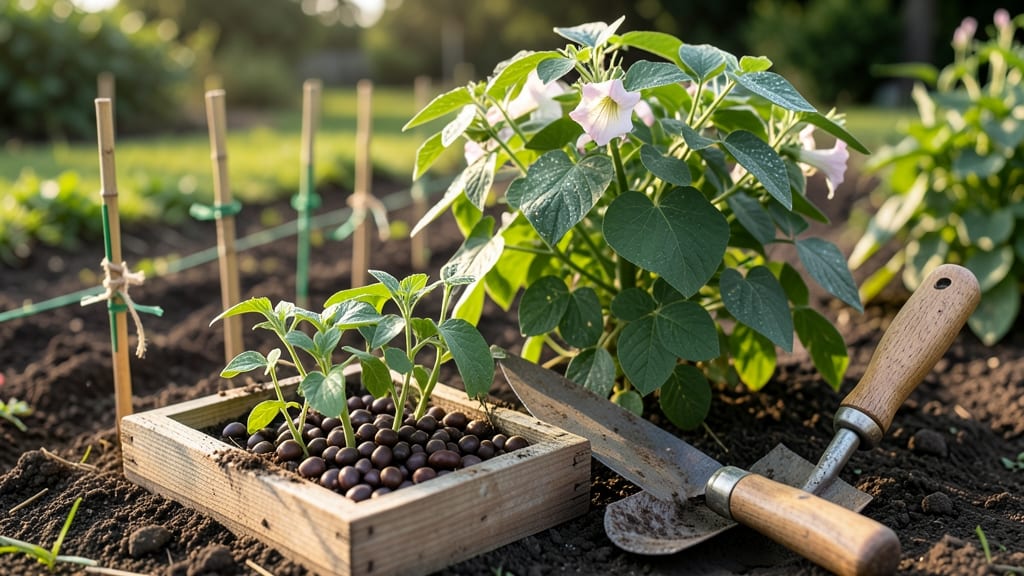
Timing is everything when it comes to planting beans in Maine, and getting it wrong could mean the difference between a garden full of crisp, homegrown pods and a pile of wasted seeds.
With USDA Zone 5b-6b weather that swings from chilly springs to unpredictable frosts, knowing exactly when to plant your 🌱 is the key to success.
Most gardeners in Maine wait until late April or early May, but that’s just the starting point. The real magic happens when soil temperatures hit at least 60°F—a critical threshold that tells you it’s safe to sow seeds without risking frost damage.
Since last frost dates in Maine can vary from mid-May to early June, checking local forecasts and soil temps (not just air temps) is non-negotiable.
Whether you’re growing bush beans for quick harvests or pole beans that climb all summer, the window to plant is narrow but doable.
In this guide, I’ll break down the exact timing, soil prep tricks, and even how to extend your harvest season—so you can enjoy fresh beans from July through September without the guesswork.
Ready to turn your Maine garden into a bean bonanza? Let’s dive into the best planting strategies tailored to your local climate, so you can skip the trial-and-error and start harvesting like a pro.
Ideal planting windows for Maine beans: soil temp & frost dates
Maine’s cool springs and short growing season demand precise timing for planting beans. The last average frost date in most of Maine falls between May 15 and June 1, but this varies by region—coastal areas warm earlier than inland zones.
For bush beans, which mature faster, aim to plant 2-3 weeks after your last frost date, while pole beans need a slightly longer season and should go in 3-4 weeks after frost.
Soil temperature is just as critical as air temperature. Beans thrive when soil reaches at least 60°F, but they’ll germinate at 50°F if conditions are ideal. Use a soil thermometer to check—if your soil is cooler, delay planting or use black plastic mulch to warm it faster.
In USDA Zone 5b, this often means waiting until late May or early June for most areas.
For early-season planting, consider cold-hardy varieties like 'Provider' or 'Kentucky Wonder,' which can tolerate slightly cooler soils. However, planting too early risks rot or poor germination if a late frost hits.
If you’re eager to start, try starter pots indoors 2-3 weeks before your target outdoor date, then transplant seedlings when soil warms.
🌱
If you’re in northern Maine (Zone 4), push planting back to early June to avoid frost damage. For coastal areas (Zone 6), you can start as early as late April under row covers or in a greenhouse.
Always check local frost data from the UMaine Extension or National Weather Service for your specific microclimate.
For succession planting, which extends your harvest, sow new seeds every 2 weeks for bush beans and every 3 weeks for pole beans until mid-July. This ensures a steady supply of fresh pods even as early-planted varieties mature.
In Maine’s climate, this strategy is key to maximizing your yield before early fall frosts hit in October.
Another pro tip: Use row covers or hoop houses to create a warmer microclimate. These can push your planting window 2-3 weeks earlier and protect young plants from late spring frosts or Mexican bean beetles, a common Maine pest. Just remove covers once flowers appear to allow pollination.
🌿
If you’re transplanting seedlings instead of direct sowing, start seeds indoors 4-6 weeks before your target outdoor date. Harden off seedlings for 7-10 days before transplanting, and choose overcast days to reduce transplant shock.
In Maine’s cool, wet springs, seedlings are more vulnerable to disease, so avoid overwatering and ensure good airflow around plants.
Finally, keep an eye on weather forecasts for heatwaves after planting. While beans love warmth, temperatures above 85°F can cause flower drop and reduced pod production. If a heatwave is forecast, use shade cloth to protect plants during peak afternoon sun.
Best bean varieties for Maine’s short season: fast-growing & cold-tolerant picks
Maine’s cool nights and short growing season demand bean varieties that mature quickly and tolerate moderate temperatures. I’ve tested dozens of varieties, and these top performers consistently deliver in USDA Zone 5b-6b.
Whether you prefer bush beans for easy harvesting or pole beans for vertical space savings, these picks thrive in Maine’s climate.
For bush beans, prioritize varieties with 50-60 days to maturity—like 'Blue Lake' or 'Kentucky Wonder'—which produce heavy yields before frost. These compact plants (18-24 inches tall) fit perfectly in raised beds or small gardens, making them ideal for early spring or late summer plantings.
Pole beans are my go-to for extended harvests because they keep producing as long as the season allows. 'Provider' (70 days) and 'Rattlesnake' (60 days) are cold-hardy and handle Maine’s unpredictable weather better than most. Their vining habit also maximizes limited garden space while providing shade for other plants.
🌱 Top Bean Varieties for Maine
When selecting seeds, check the days-to-maturity label and subtract 10-15 days for Maine’s cooler temperatures. For example, a 60-day variety might take 70 days in northern Maine. I always plant two successions: one in late May and another in early July to stretch the harvest through September.
Pro tip: Start pole beans indoors in late April (6-8 weeks before last frost) for a head start. Transplant seedlings after soil warms to 50°F+ and harden them off for 5-7 days to avoid transplant shock. This trick lets me harvest 3-4 weeks earlier than direct-sown beans.
For organic gardeners, companion planting with marigolds or nasturtiums deters pests like Mexican bean beetles, a common issue in Maine’s humid summers. I also recommend mulching with straw to retain soil moisture and regulate temperature—critical during Maine’s unpredictable spring rains.