
Plants
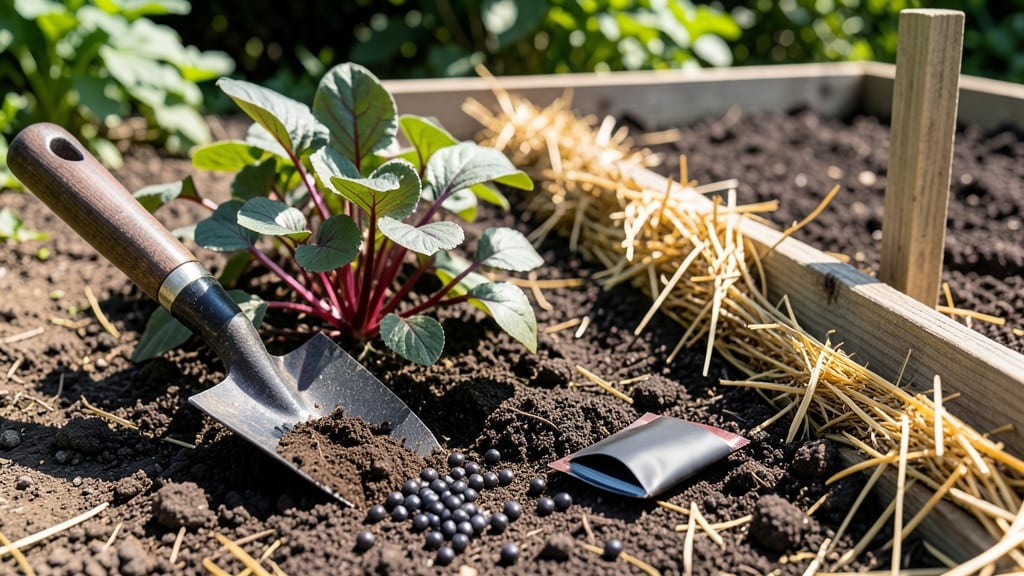
Planting beets in Connecticut at the right time can mean the difference between a thriving garden and a sad, wilted crop. With the perfect spring and fall windows—March 15 to April 30 and September 1 to October 15—you can enjoy tender, sweet beets all season long.
But timing isn’t just about the calendar; soil temperature and frost dates play a huge role in success.
If you’ve ever watched your beet seeds sit stubbornly in the ground, waiting for warmth, you know how frustrating it can be. Beets need soil that’s at least 45°F to germinate, but they grow fastest when it’s closer to 60°F.
In Connecticut’s Zone 6a, that means waiting for the last frost—usually around April 15—but also planning ahead for late-summer plantings before the first frost hits in October.
Here’s the good news: with the right strategy, you can enjoy fresh 🍠 beets from June through November. Whether you’re a beginner or a seasoned gardener, knowing when to plant ensures you’ll avoid the pitfalls of frost damage or missed harvests.
Let’s break down the best times to sow, how to check soil readiness, and how to extend your beet season for months of delicious harvests.
Ready to grow beets that are crisp, flavorful, and ready to harvest at the perfect size? I’ll walk you through everything you need to know—so you can finally stop guessing and start growing like a pro.
Connecticut frost dates & ideal beet planting windows by season
Connecticut’s Zone 5b-6a climate means your beet planting success hinges on understanding last frost dates and seasonal windows. Most years, the average last frost occurs around April 15, but microclimates—especially in coastal areas or valleys—can push this back by 1-2 weeks.
Plan your spring beet plantings to avoid frost damage while ensuring roots mature before summer heat sets in.
For spring plantings, aim to sow beet seeds 2-3 weeks before your last frost date—typically mid-March to early April—using row covers or cold frames for extra protection. This timing gives you a 60-75 day harvest window before summer’s heat reduces quality.
In western CT (Zone 6a), you can start slightly earlier, while eastern CT (Zone 5b) may need to wait until late March.
| Season | Planting Window | Key Varieties | Notes |
|---|---|---|---|
| Early Spring | March 15 – April 15 | Detroit Dark Red, Golden | Use row covers for frost protection |
| Late Spring | April 15 – May 15 | Chioggia, Baby Beets | Ideal for baby beets (harvest in 40 days) |
| Summer Succession | June 1 – July 15 | Heat-tolerant varieties | Plant in partial shade; mulch heavily |
| Fall | September 1 – October 15 | Storage Beets (e.g., Alabama Red) | Aim for harvest before first frost (Oct 20) |
Fall plantings are your second chance for beets in CT. Start seeds 90 days before your first frost (typically September 1) to ensure roots mature before October 20’s average first frost.
For storage beets, aim to harvest 4-6 weeks before frost—this gives you roots that store well through winter. Varieties like Alabama Red or Long Top White thrive in cooler fall soils.
Don’t overlook summer succession plantings! While beets prefer cooler weather, you can extend your harvest by sowing heat-tolerant varieties like Boltardy or Early Wonder Tall Top in late June or early July.
These varieties handle 80°F+ temperatures better than standard types. Pair them with shade cloth (30-50%) and consistent mulching to keep roots cool and sweet.
Pro tip: Use a planting calendar based on your specific CT county. For example, Hartford (Zone 6a) can plant 1-2 weeks earlier than New London (Zone 5b).
Check local Cooperative Extension Service data or use a frost date calculator like the one from the National Weather Service for precision.
If you’re growing beets for their greens (like Swiss chard), you can push the envelope slightly—these tolerate warmer soils and can be planted 2-3 weeks later than root-focused varieties. However, for optimal root development, stick to the 60-75 day window from seed to harvest.
Remember: Soil temperature matters just as much as air temperature. Beet seeds need at least 45°F soil to germinate, but growth slows below 60°F. I’ll cover how to test and adjust soil warmth in the next section—this is key to avoiding slow germination or bolting in CT’s variable climate.
For a foolproof approach, stagger plantings every 2 weeks from April through July. This ensures a continuous harvest and reduces the risk of losing your entire crop to one late frost or heatwave. Start with a small batch to test your soil’s readiness, then expand based on success.
Soil temperature guide: when beet seeds will actually germinate in CT
Beet seeds are famously stubborn when it comes to germination—especially in Connecticut’s cool, damp springs. While they can sprout in soil as cold as 45°F, they’ll grow 3x faster when soil hits 60°F or warmer.
That’s why checking soil temperature before planting is one of the most important steps for success.
Most gardeners in Connecticut wait until mid-April to plant beets, but soil temperatures can still be too cool. Use a soil thermometer (just $10 at garden centers) to test your beds—probe 2 inches deep, where seeds will be planted.
If it’s below 50°F, your seeds may rot or take weeks to sprout.
Here’s the critical threshold breakdown for beet germination:
If your soil is too cold, don’t panic—there are three proven fixes to jumpstart germination. First, use black plastic mulch or row covers to warm the soil by 5-10°F.
Second, try a seed heating mat ($20-$30) under your seed tray. Finally, plant in a south-facing bed where sunlight warms the soil faster.
For late-summer plantings (August-September), soil temperatures can actually be too hot. Beets prefer 70-75°F soil—any hotter, and they’ll bolt or fail to germinate. If your August soil hits 80°F+, wait until early September when temperatures drop or use shade cloth over your seed beds.
Pro tip: In Connecticut’s Zone 6a, the last 10-year average frost date is April 15, but soil may not warm enough until late April or early May.
That’s why many gardeners start seeds indoors in March and transplant seedlings after frost—but beets transplant poorly, so direct sowing is better.
Remember, patience is key. Beets can take 7-21 days to germinate, depending on soil conditions. If you’ve planted and nothing emerges in 3 weeks, your seeds may have rotted—try again with fresh seeds and warmer soil.