
Plants
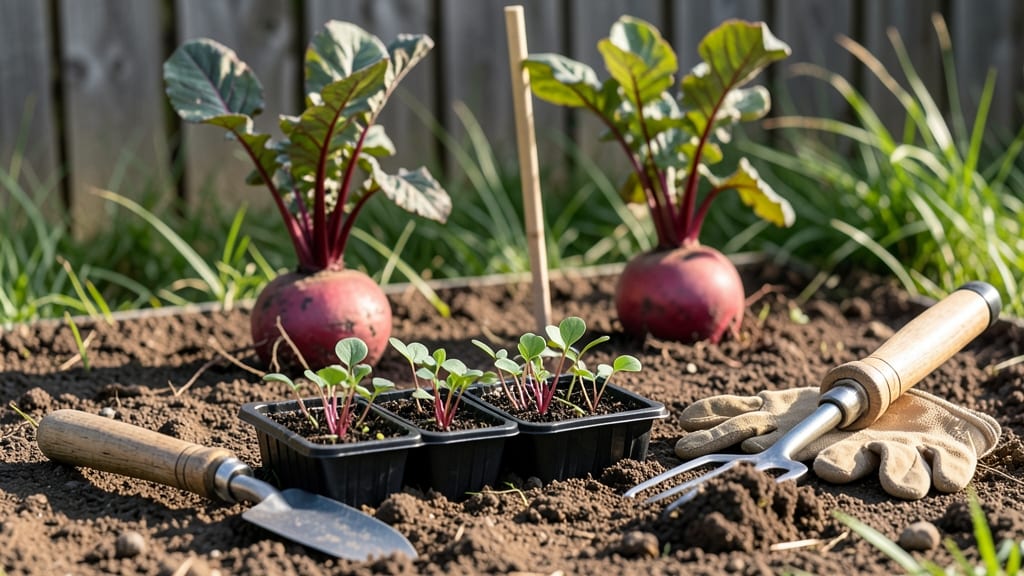
If you’ve ever wondered when to plant beets in Illinois to avoid bitter or stunted harvests, timing is everything—and the window is narrower than you think. Planting beets in Illinois requires precision, especially in Zones 5-6, where frost can strike as early as mid-October or as late as mid-April.
Miss the March 15–April 30 or August 15–September 30 windows, and you risk bolting, poor yields, or even total crop failure.
I’ve grown beets in Illinois for years, and the difference between a sweet, tender harvest and a disappointing one comes down to two things: soil temperature and frost dates.
Beets love cool weather but bolt quickly when temps climb above 75°F, so knowing when to start seeds—whether in early spring or late summer—isn’t just helpful, it’s essential.
In this guide, I’ll break down the exact planting deadlines for your zone, including how to extend your harvest with succession planting and which beet varieties thrive in Illinois’ unpredictable climate.
Whether you’re a beginner or a seasoned gardener, these tips will help you grow beets that are crisp, flavorful, and ready to harvest from June through November.
Ready to stop guessing and start growing? Let’s dive into the frost-free schedule that’ll turn your garden into a beet bonanza—no matter what Illinois throws your way.
Illinois beet planting calendar: exact frost-free deadlines by Zone 5-6
Timing your beet plantings in Illinois depends on two key windows: spring and fall. Since Illinois spans USDA Zones 5-6, your last spring frost typically arrives between April 15-30, while the first fall frost hits around October 15.
These dates create a 165-day frost-free growing season—perfect for two beet harvests per year.
For spring plantings, start seeds indoors 4-6 weeks before your last frost date (around March 15) or sow directly outdoors once soil temperatures reach 50°F. In Zone 5, this is usually mid-April, while Zone 6 gardeners can plant as early as late March.
Beets thrive in cool weather, so aim to harvest before summer heat sets in.
Your fall planting window opens after the summer solstice. Sow seeds from August 15 to September 30 to ensure beets mature before the first frost. This timing works because beets tolerate light frosts and even sweeten slightly when exposed to 32-35°F temperatures.
For a continuous harvest, stagger plantings every 2-3 weeks throughout both seasons.
Here’s the critical timeline for Illinois beet growers:
If you’re starting seeds indoors, begin 4-6 weeks before your target outdoor planting date. Use biodegradable pots to avoid transplant shock when moving seedlings outdoors. Harden them off for 7-10 days by placing them outside during the day and bringing them in at night.
This gradual transition helps prevent bolting—a common issue when beets experience sudden temperature shifts.
For direct sowing outdoors, plant seeds ½ inch deep and 1 inch apart. Thin seedlings to 2-3 inches apart once they reach 2 inches tall. This spacing gives roots room to grow without competing for nutrients.
In Zone 5, where springs can be cooler, consider using row covers to warm the soil and speed up germination.
One of my biggest mistakes was planting beets too early in Zone 5. The cold, wet soil delayed germination by 3 weeks, and the seedlings struggled. Now, I wait until soil temperatures consistently stay above 50°F—usually mid-April—and use a soil thermometer to track progress.
This small tool has saved me from countless wasted seed packets!
For fall plantings, focus on varieties with shorter maturity times (like Detroit Dark Red, which takes 50-60 days). These mature faster and can handle cooler temperatures better than heat-loving varieties.
If you’re in northern Illinois (Zone 5), aim to harvest before October 15, while southern Illinois (Zone 6) gardeners can push harvests into early November.
Protect your late-season beets from pests like leaf miners and beetles by using row covers or neem oil sprays. These methods keep your harvest pest-free while allowing light and air to reach the plants.
In my garden, I’ve found that Chioggia beets (with their stunning striped patterns) are less appealing to pests than standard red varieties, making them a great choice for fall plantings.
Remember, beets are cool-season crops, so they’ll bolt (flower prematurely) if exposed to consistent temperatures above 80°F. Plan your plantings to avoid this by choosing shade-cloth for summer months or opting for fall harvests when temperatures drop.
With the right timing, you can enjoy fresh beets from June through November—no greenhouse required!
Best beet varieties for Illinois gardens and how to choose
Choosing the right beet varieties for your Illinois garden can make all the difference in flavor, yield, and ease of growing. With Zone 5-6 climates and hot summers, some varieties thrive better than others.
I’ve grown Detroit Dark Red for years—it’s my go-to for its sweetness and reliability, but let’s explore all the top options.
For early spring plantings, look for varieties like Babybeat or Early Wonder Tall Top. These mature in just 40-50 days, perfect for beating late frosts.
If you’re aiming for late summer harvests, Chioggia (the candy-striped beet) or Golden varieties like Burpee’s Golden shine—they handle heat better and stay tender longer.
🌱 Top Beet Varieties for Illinois Gardens
| Variety | Days to Harvest | Best For | Disease Resistance |
|---|---|---|---|
| Detroit Dark Red | 55-60 days | All-season, storage | High |
| Chioggia | 60-70 days | Heat tolerance, visual appeal | Moderate |
| Babybeat | 40-45 days | Early harvests, succession planting | High |
| Burpee’s Golden | 50-60 days | Sweet flavor, heat tolerance | Moderate |
| Early Wonder Tall Top | 45-50 days | Early spring, cold tolerance | High |
When selecting varieties, prioritize disease resistance—especially if you’ve dealt with leaf spot or root rot in past gardens. Detroit Dark Red and Babybeat are my top picks for their high resistance and adaptability to Illinois’ humid summers.
If you love unique flavors, Chioggia adds a stunning twist to salads with its candy-striped pattern.
For succession planting, mix fast-maturing varieties like Babybeat with slower ones like Detroit Dark Red. This ensures a continuous harvest from June through October. I’ve also found that Golden beets hold up better in late summer heat, so they’re ideal for August plantings.
Pro tip: If you’re new to growing beets, start with Detroit Dark Red—it’s forgiving and versatile. For a challenge, try Chioggia, but be prepared to harvest them slightly earlier to avoid toughening in the heat.
Always check seed packets for days to maturity and align them with your planting windows.
Remember, soil type matters too. Illinois gardens often have clay-heavy soil, so amend with compost to improve drainage. Beets hate soggy roots, so prioritize well-draining beds for the best results. Happy planting! 🌱