
Plants
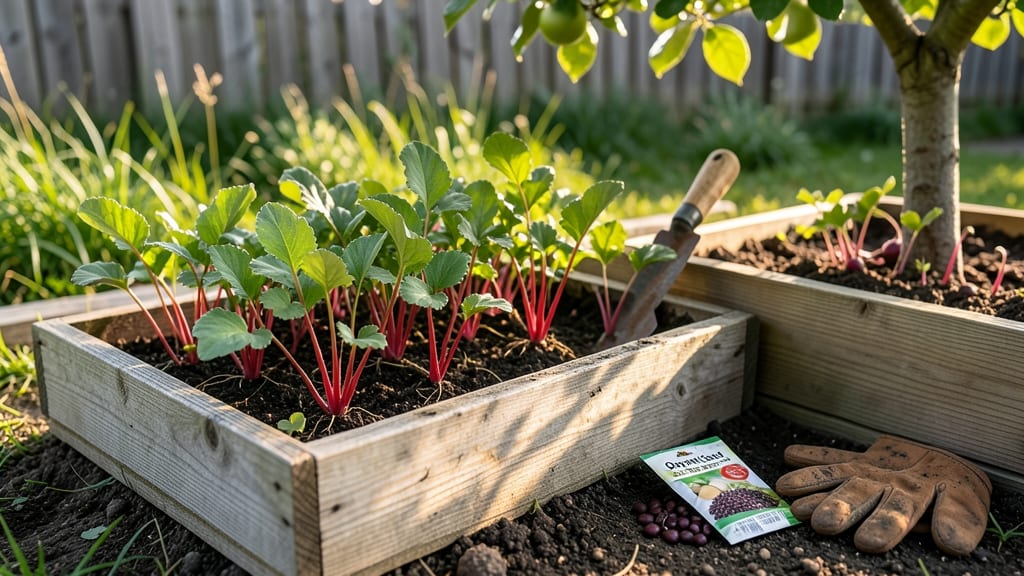
Timing your beet harvest in Massachusetts isn’t just about planting—it’s about avoiding bitter, woody roots and bolting before you even get to taste them.
If you’ve ever planted 🍠 beets only to watch them bolt in the heat or freeze before reaching full size, you know the stakes. The 6a zone’s unpredictable spring and early fall frost dates mean even experienced gardeners can miss the sweet spot.
Here’s the game-changer: a frost-free planting calendar tailored to MA’s climate, so you can grow tender, sweet beets from early spring through late fall—without the guesswork.
I’ll walk you through the exact planting windows (spring and fall), soil temperature tricks, and succession planting hacks to keep your harvest going all season.
Massachusetts beet planting calendar: exact dates for zero-bolt success
Timing your beet planting in Massachusetts means avoiding two major pitfalls: early bolting from cold soil and frost damage from late starts. The last frost date varies by region—Boston averages April 15, while Cape Cod holds off until May 1.
Plan your spring planting accordingly to maximize your harvest window.
For fall beets, the goal shifts to beating the first frost (typically October 20 in most of MA). Planting too late risks stunted roots, while starting too early may lead to bolting as days lengthen. The sweet spot? September 1–October 15 for a late-season harvest before winter sets in.
Soil temperature is just as critical as air temperature. Beets need soil at 45°F or warmer to germinate properly. In Boston and Worcester, wait until mid-March for early sowings, while Cape Cod gardeners should delay until late March to avoid cold soil.
| Region | Spring Planting Window | Fall Planting Window | Soil Temp Threshold | Last Frost Date |
|---|---|---|---|---|
| Boston | March 15–April 30 | September 1–October 15 | 45°F+ | April 15 |
| Worcester | March 20–May 1 | September 10–October 10 | 45°F+ | April 10 |
| Cape Cod | April 1–May 15 | August 15–September 30 | 50°F+ | May 1 |
If you're using transplants instead of seeds, time them for late April to early May in most of MA. Transplants give you a head start but require consistent moisture to establish roots before summer heat arrives.
For container gardening, start seeds indoors in late February and transplant outdoors after the last frost.
Pro tip: Use row covers or cold frames to extend your spring planting window by 2–3 weeks. This protects young seedlings from late frosts while keeping soil warm enough for germination. Just remove covers once seedlings emerge to prevent overheating.
For succession planting, sow new seeds every 2–3 weeks from March through June to ensure a steady supply. This staggered approach prevents a glut of mature beets at once and maximizes your harvest season from June through November.
Watch for bolting signs like elongated stems and bitter leaves, especially if temperatures spike above 80°F. Shade cloth can help mitigate heat stress during summer months. In fall, prioritize cold-hardy varieties like Detroit Dark Red to withstand early frosts.
Remember, beets thrive in cool weather. The ideal planting window aligns with MA’s frost-free period, giving you 165 days of growing time. Plan accordingly to avoid the woody texture that develops when beets mature too slowly or too quickly.
Start your beet seeds indoors in late February for an early jump, or direct-sow outdoors once soil warms to 45°F. With the right timing, you’ll enjoy sweet, tender beets from June through November—no bolting, no frost damage, just perfect harvests all season long. 🌱
How to extend your beet harvest season in Massachusetts
Massachusetts’ short growing season can feel like a race against time for beet lovers—but with the right strategies, you can stretch your harvest from early spring to late fall. The key is succession planting, cold-hardy varieties, and protective tools like row covers.
I’ve grown beets in MA for years, and these tactics have kept my garden producing sweet roots even when frost looms.
Start by planting two to three successive crops every 2-3 weeks from mid-March through late April. This ensures a steady supply as early plants mature. For fall, begin sowing mid-August through early October—just 8-10 weeks before your first frost (typically October 20).
This timing lets roots bulk up before winter sets in.
For extended spring harvests, use row covers or low tunnels to shield young plants from late frosts (which can occur until May 15). These barriers also deter pests like leaf miners and beetles, giving your beets a fighting chance in unpredictable MA weather.
- 📅 Succession Plant: Sow every 2 weeks in spring/fall for continuous harvests.
- ❄️ Use Row Covers: Extend spring by 2-3 weeks and protect fall crops until frost.
- 🌡️ Pick Cold-Hardy Varieties: Choose Detroit Dark Red or Chioggia for resilience.
Don’t overlook container gardening—it’s perfect for small spaces or urban gardens. Plant 3-4 beet seeds per 12-inch pot and place containers in full sun. Harvest young greens (like Swiss chard) first, then roots later. This two-for-one approach maximizes your space and time.
In late summer, switch to bolting-resistant varieties like ‘Cylindra’ (great for pickling) or ‘Golden’ (sweeter when mature). These hold up better in July-August heat, which can trigger bolting in other types. Always water deeply in the morning to keep soil cool and roots tender.
Finally, harvest strategically: Pick smaller roots (1-2 inches) for tender greens, or let them grow larger (2-3 inches) for classic beet flavor. Leave a few mature plants until frost—they’ll sweeten naturally in cold weather, making them perfect for winter storage in a root cellar.
With these methods, I’ve enjoyed fresh beets from May through November—no bolting, no frost loss, just homegrown sweetness all season. Give it a try, and you’ll wonder why you ever rushed your beet plantings! 🌱🍠