
Plants
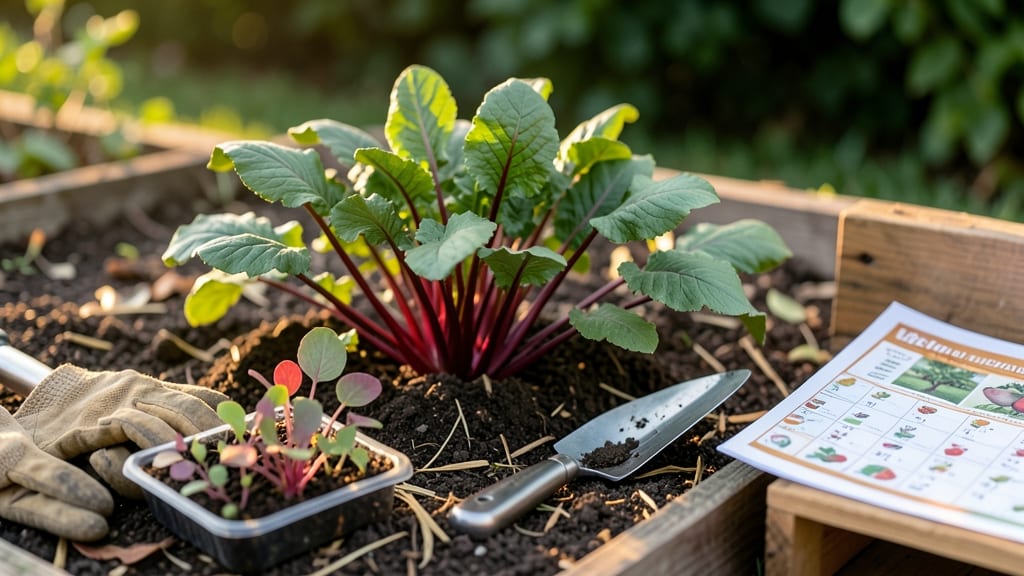
Planting beets in the fall can mean the difference between tender, sweet roots and tough, bitter failures—if you time it wrong. The key isn’t just waiting until autumn arrives, but calculating 6-8 weeks before your first frost, when soil stays warm enough for germination but nights grow cool enough to slow bolting. In USDA Zone 6a, that means starting seeds in early August for a harvest just before winter sets in.
Why does timing matter so much? Unlike spring beets, fall varieties rely on shorter days and cooler temps to develop their signature sweetness. Plant too early, and your 🍠 might bolt before reaching full size; too late, and frost will turn them woody.
The good news? With the right schedule, you can enjoy harvests straight through October—even in colder climates.
I’ll walk you through how to pinpoint your exact planting window, the best beet varieties for fall, and how to avoid common mistakes that ruin harvests.
Whether you’re a first-time gardener or a seasoned pro, these tips will help you grow beets that rival store-bought—only better, because they’re fresh from your own soil.
Ready to turn your fall garden into a beet bonanza? Let’s dive into the exact steps to time your planting perfectly, so you’re harvesting sweet, juicy roots when they’re at their peak.
How to calculate your fall beet planting window based on frost dates
Timing is the secret to growing sweet, tender fall beets. Unlike spring planting, fall beets thrive when days grow shorter, but you must plant them 6-8 weeks before your first frost.
This window ensures they mature before cold snaps, while still benefiting from cooler fall temperatures that prevent bolting.
Start by finding your average first frost date. The USDA Plant Hardiness Zone Map is your best resource—simply enter your ZIP code to locate this critical date.
For example, in Zone 5, the first frost often hits around October 15, while Zone 8 gardens may not see frost until November 15.
Once you know your frost date, count backward 6-8 weeks to determine your ideal planting window. In Zone 5, this means planting between August 22 and September 5.
In Zone 8, you can extend planting until October 15—just ensure beets have 60-70 days to mature before frost.
Soil temperature also matters. Beets germinate best in soil that’s at least 45°F (7°C). Use a soil thermometer to check—if temperatures dip below this, wait a few days or use a cloche or row cover to protect young seedlings.
🌱 Fall Beet Planting Timeline
| Stage | Action | Notes |
|---|---|---|
| Find Frost Date | Check USDA Zone Map | Use average first frost date |
| Count Back 6-8 Weeks | Calculate planting window | Adjust for early/late varieties |
| Test Soil Temp | Ensure ≥45°F (7°C) | Use thermometer or finger test |
| Plant Seeds | ½" deep, 1-2" apart | Thin to 3-4" when sprouted |
| Harvest Before Frost | Pull roots when 1-3" wide | Leaves should stay green |
For northern climates (Zones 3-5), aim for early August planting to avoid bolting from long daylight. In southern zones (6-10), you can plant as late as October, but choose fast-maturing varieties like 'Babybeat' or 'Detroit Dark Red' to ensure harvest before frost.
Pro tip: If your frost date is unpredictable, err on the earlier side of the window. Beets store well in the fridge for 2-3 weeks, so a slightly early harvest won’t go to waste.
Just avoid planting more than 8 weeks before frost, or your beets may become woody or bitter.
Don’t forget to succession plant every 2 weeks for a continuous harvest. This works especially well in Zones 6-10, where you can stretch the season into late fall. For example, plant a new batch in late August, late September, and early October to enjoy beets through multiple harvests.
Finally, monitor your garden for early frost warnings in late September. If frost is forecast within 2 weeks of harvest, cover beet greens with a lightweight row cover to protect them while allowing roots to mature. This simple step can extend your harvest by 1-2 weeks.
With the right timing, your fall beets will be sweeter, more tender, and packed with flavor—far superior to their spring-grown cousins. Start planning now, and you’ll be digging up those deep red roots just in time for holiday meals! 🌱
Best fall beet varieties for different climates and harvest goals
Not all beets thrive equally in fall’s cooler temperatures, which is why choosing the right variety can make or break your harvest. Some types handle frost better, while others prioritize sweetness or storage potential.
For example, Detroit Dark Red is a classic cold-hardy choice, while Chioggia (aka candy-striped beets) dazzle with visual appeal but need extra care in chilly climates.
Your USDA zone plays a huge role in variety selection. In Zones 3-5, focus on early-maturing, frost-tolerant types like Boltardy or Golden Beets. Warmer zones (6-8) can handle slower-growing varieties like Ruby Queen or Albina Veredka (white with red rings).
Always check seed packets for days-to-maturity—aim for 50-60 days to avoid frost damage.
Here’s how to match varieties to your goals: storage, fresh eating, or visual appeal. Each type has trade-offs, like longer storage life vs. bolting risk or sweeter flavor vs. frost sensitivity. The right pick ensures your beets stay tender and delicious through fall’s last harvests.
🌱 Variety Comparison for Fall Planting
| Variety | Cold Hardiness | Days to Harvest | Best For |
|---|---|---|---|
| Detroit Dark Red | High (Zones 3-8) | 55-60 days | Storage & fresh eating |
| Chioggia | Moderate (Zones 5-8) | 60-70 days | Visual appeal & fresh eating |
| Boltardy | Very High (Zones 2-8) | 50-55 days | Early harvest & bolting resistance |
| Golden Beets | High (Zones 4-8) | 55-65 days | Sweet flavor & storage |
| Ruby Queen | Moderate (Zones 5-9) | 60-70 days | Fresh eating & color |
For storage purposes, prioritize Detroit Dark Red or Golden Beets—both keep well in cool, dark conditions for months. If you’re growing for visual appeal, Chioggia’s striking stripes make it a showstopper, but plant it 2 weeks earlier than other varieties to compensate for its slower growth.
Pro tip: Mix varieties in your garden for continuous harvests—start Boltardy first (early August) and Ruby Queen later (early September) to stagger maturity.
One variety often overlooked is Albina Veredka, with its creamy white roots ringed in red. It’s perfect for raw preparations like salads (where color matters) but needs consistent moisture to avoid woody texture. Always test a few varieties in small batches—your taste buds (and picky eaters) will thank you!
Remember: Soil temperature matters just as much as variety. Even cold-hardy beets struggle to germinate in soil below 50°F. Use a soil thermometer to confirm warmth before planting—especially in northern zones where fall cools quickly.
Pair your variety choice with proper soil prep, and you’ll be harvesting sweet, tender beets straight through October.