
Plants
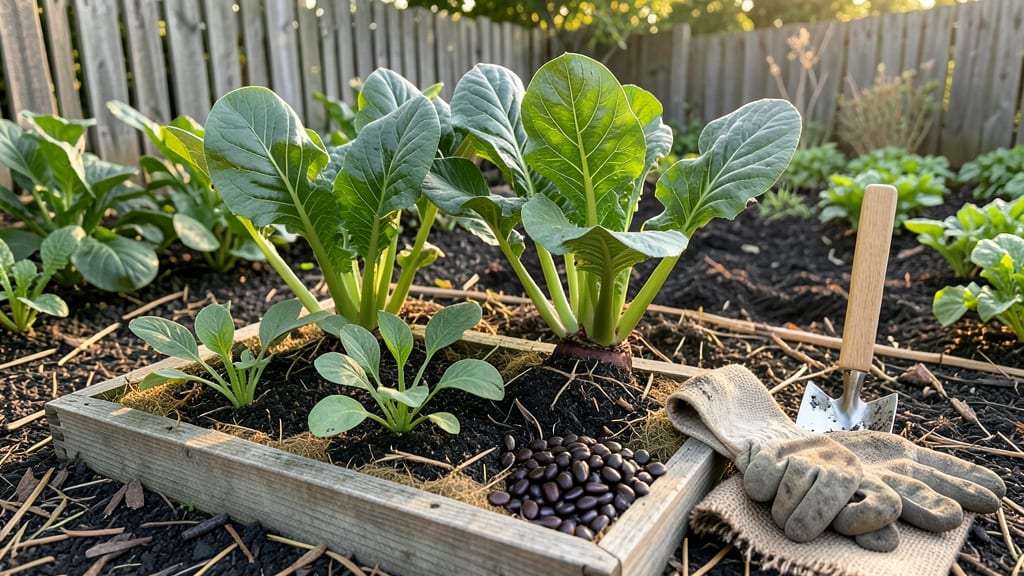
Knowing when to plant beets in Zone 5b makes all the difference between tender, sweet roots and tough, bitter ones. The secret lies in timing—plant too early, and your 🍠 harvest might bolt before reaching its prime; too late, and you risk stunted growth from summer heat.
In Zone 5b, where last frost typically hits around April 15, your best window starts 4-6 weeks before that date—usually in early March. This gives beets enough time to mature before summer’s intensity kicks in, ensuring a harvest ready by June.
But here’s the twist: a second planting in late July can extend your harvest into October, provided you protect young seedlings from early frosts. The key is balancing soil warmth and daylight hours to avoid bolting, a common pitfall for gardeners in cooler climates.
Ready to unlock the perfect beet harvest? Let’s break down the exact weeks to plant, soil prep tips, and how to adjust for Zone 5b’s quirks—so you never miss the sweet spot again.

Optimal planting windows for beets in Zone 5b (with frost date calculations)
Beets thrive in Zone 5b when planted during two key windows: early spring and late summer. The exact timing depends on your last spring frost date (typically around April 15) and first fall frost date (around October 15).
For most of Zone 5b, this means starting seeds 4–6 weeks before your last frost and again 8–10 weeks before the first frost.
Spring plantings yield the sweetest, tenderest roots, while late-summer plantings extend your harvest into fall. The key is avoiding bolting (premature flowering) in heat or woody roots from cold soil. Soil temperatures should stay between 40–85°F for optimal growth.
Here’s the breakdown for Zone 5b-specific timing, including adjustments for microclimates like sheltered spots or urban heat islands:
| Planting Window | Action | Soil Temp | Notes |
|---|---|---|---|
| Early Spring | Start seeds 4–6 weeks before last frost (March 1–15) | 40–50°F | Use row covers for frost protection; thin seedlings to 3–4 inches. |
| Late Summer | Sow seeds 8–10 weeks before first frost (July 1–15) | 50–70°F | Choose heat-tolerant varieties (e.g., ‘Golden’) to avoid bolting. |
| Fall (Optional) | Plant 10–12 weeks before first frost (August 1–15) | 50–65°F | Risky in Zone 5b; use mulch to insulate roots. |
For microclimates, adjust timing by 1–2 weeks. Urban areas may need earlier spring plantings due to heat retention, while shaded spots might delay bolting. Always check your local frost dates using the USDA Plant Hardiness Zone Map for precision.
If you’re unsure about your frost dates, err on the side of earlier plantings. Beets are cold-hardy and can tolerate light frosts, but soil temperature is more critical than air temperature. Use a soil thermometer to confirm readiness—ideal temps are 40–85°F for germination and growth.
Pro tip: Direct sow seeds instead of transplanting to avoid disturbing young roots. Beets hate being moved, and transplants often struggle to recover. Plant seeds ½ inch deep and 1 inch apart, then thin to 3–4 inches when seedlings are 2 inches tall.
This spacing prevents overcrowding and ensures large, tender roots.
Bolting is your biggest enemy in Zone 5b’s summer heat. If daytime temps exceed 80°F, opt for shade cloth or succession plant every 2 weeks to keep a steady harvest. Varieties like ‘Detroit Dark Red’ handle heat better than ‘Chioggia’ (which bolts faster).
Finally, mulch heavily after planting to retain moisture and regulate soil temperature. Straw or shredded leaves work well, and they’ll also suppress weeds—beets have shallow roots and compete poorly with invasive plants.
By following these Zone 5b-specific windows, you’ll avoid the two biggest beet-growing mistakes: woody roots from cold soil and bolting from heat stress. Soon, you’ll be harvesting sweet, juicy beets from spring through fall! 🌱
Optimal planting windows for beets in Zone 5b (with frost date calculations)
Zone 5b’s short growing season and variable frost dates demand precision when planting beets. Unlike heat-loving crops, beets thrive in cool soil (40–85°F), making timing critical to avoid woody roots or premature bolting.
The key is planting 3–4 weeks before your last spring frost and 8–10 weeks before your first fall frost—typically March 15–April 15 for spring and July 15–August 15 for fall in Zone 5b.
Missed the spring window? Don’t panic—beets are heat-tolerant enough for a late-summer crop, but avoid planting after August 15 to prevent bolting before frost. In my garden, I’ve found that succession planting every 2 weeks from March to July ensures a steady harvest from June through October.
Your last frost date (around April 15 in Zone 5b) is your anchor. Plant 4–6 weeks before for spring beets, ensuring roots mature before summer heat sets in. For fall, aim for 8–10 weeks before your first frost (October 15)—this gives beets time to bulk up before cold snaps.
| Planting Window | Zone 5b Dates | Soil Temp | Key Notes |
|---|---|---|---|
| Early Spring | March 15–April 15 | 40–50°F | Plant 3–4 weeks before last frost; use row covers for early starts. |
| Late Summer | July 15–August 15 | 60–75°F | Avoid planting after August 15 to prevent bolting; mulch to retain moisture. |
| Fall | August 1–September 1 | 50–65°F | Plant 8–10 weeks before first frost; harvest before hard frost. |
Microclimates can shift your planting window by 1–2 weeks. South-facing beds warm faster, while shady spots stay cooler. I’ve had success planting Detroit Dark Red in early March on a sunny slope, while my north-facing bed waited until mid-April.
Always check soil temperature with a probe—40°F is the minimum for germination.
Bolt-resistant varieties like ‘Touchstone Gold’ or ‘Chioggia’ give you flexibility, but even they struggle if soil temps exceed 85°F. In my experience, shade cloth (30–50%) during peak summer heat can extend the window by 2–3 weeks for a second fall crop.
Pro tip: Mark your calendar for April 15 (last frost) and October 15 (first frost), then work backward. For spring, count 60 days to harvest; for fall, 50 days. This ensures your beets reach peak sweetness before summer’s end or winter’s chill.