
Plants
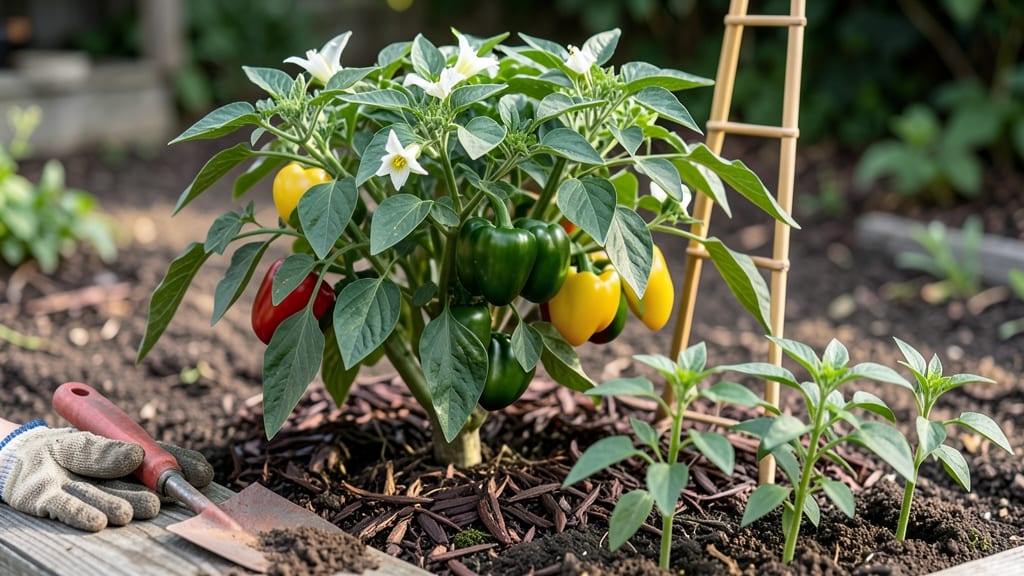
Timing your 🌶️ bell pepper planting in Alabama isn’t just about avoiding frost—it’s about beating the brutal summer heat that can turn your garden into a pepper wasteland. The wrong schedule means stunted growth, bitter peppers, or plants that bolt before they even ripen.
I’ve grown bell peppers in Alabama’s 7b-8b zones for years, and the difference between a bountiful harvest and a disappointing one comes down to two critical months: April and May. But here’s the catch—even within those windows, planting too early or too late can spell disaster for your plants.
In this guide, I’ll break down the exact weeks to plant (whether you’re starting seeds indoors or transplanting), the heat-resistant varieties that thrive here, and how to time your harvest for peak flavor. No more guesswork—just a foolproof plan for Alabama’s climate.
Ready to grow peppers that actually survive the heat? Let’s get started with the perfect planting timeline for your zone.
Best planting months for bell peppers in Alabama by hardiness zone (7a-8b)
Alabama’s USDA Zones 7a-8b offer a 210-day frost-free growing season, but timing is everything for bell peppers. Plant too early, and frost-sensitive seedlings will die.
Wait too long, and scorching summer heat can stunt growth. The key? Soil temperatures above 60°F and after the last frost date (typically March 15).
For Zone 7a (north Alabama), aim for April 15–May 1 for transplants or March 1–April 1 for indoor starts. In Zone 8b (south Alabama), you can push to May 15–June 1 for late-summer crops. Succession planting every 2–3 weeks ensures a continuous harvest through October.
Direct sowing outdoors is risky in Alabama’s humid climate, so transplants from nurseries (hardened off) are ideal. If starting seeds indoors, use grow lights for 12–14 hours/day and transplant after all frost danger—usually mid-April or later.
Pro tip: Use a soil thermometer to confirm 60°F+ soil temps before planting. Cold soil delays germination and weakens seedlings. Mulch with straw after planting to maintain consistent moisture and root zone warmth.
Here’s a breakdown of your planting window by zone and method:
| Zone | Method | Planting Window | Notes |
|---|---|---|---|
| 7a (North AL) | Transplants | April 15–May 1 | Wait for soil to warm to 60°F+ |
| 7a (North AL) | Indoor Seeds | March 1–April 1 | Transplant after last frost |
| 8b (South AL) | Transplants | April 1–June 1 | Late plantings for fall harvest |
| 8b (South AL) | Succession | Every 2–3 weeks | Extend harvest to October |
Alabama’s humidity and heat demand heat-tolerant varieties. Avoid thin-skinned peppers like California Wonder, which crack easily. Instead, choose thick-fleshed types like Aristotle or Carolina Wonder, which handle 90°F+ temps without bolting.
For late-summer plantings (June), select fast-maturing varieties (60–70 days) to harvest before first frost (November 15). Shade cloth (30–50%) can protect seedlings from intense afternoon sun during June plantings.
Monitor weather forecasts for heat waves or tropical storms, which can delay planting. Container gardening is a great option for urban gardeners—just ensure pots are at least 12 inches deep and use well-draining soil.
Once planted, water deeply 1–2 times/week (1–2 gallons per plant) and mulch heavily to retain moisture. Morning watering prevents fungal diseases like powdery mildew, common in Alabama’s humid summers.
Best planting months for bell peppers in Alabama by hardiness zone (7a-8b)
Alabama’s USDA zones 7a-8b mean you can grow bell peppers year-round with the right timing, but spring and early summer are your golden windows. The key? Plant when soil hits 60°F+ and all frost risk vanishes—typically mid-April to early June for transplants.
For direct sowing, start seeds indoors by March 1 to transplant outdoors by April 15. This head start gives seedlings a fighting chance against Alabama’s 90°F+ heat, which can shock young plants. Late-summer succession planting (June) works too—just use heat-tolerant varieties.
🚨 Critical timing: Avoid planting before March 15 (last frost date) or after June 1 unless you’re extending the season with shade cloth. The 210-day frost-free period in Alabama lets you squeeze in two harvests if you plan carefully.
🌱 Bell Pepper Planting Timeline for Alabama
| Stage | Action | Zone 7a | Zone 7b-8b |
|---|---|---|---|
| Start Indoors | Sow seeds | March 1 | February 15 |
| Transplant Outdoors | Move seedlings | April 15 | March 20-April 1 |
| Direct Sow | Plant seeds | April 30 | April 15 |
| Succession Plant | Late-season seeds | June 15 | June 1 |
| Harvest Window | Peak production | July-October | June-November |
In Zone 7a, wait until April 15 to transplant—earlier risks frost damage. Zone 7b-8b gardeners can start earlier (March 20), but always check soil temperature with a probe. 60°F+ is non-negotiable for germination.
Pro tip: Use black plastic mulch to warm soil faster in cooler zones. This trick lets you plant 2-3 weeks earlier and extends the season by 10-14 days in fall. Just remove it before first frost (Nov 15).
For container gardening, stick to April-May planting—pots heat up faster and dry out quicker. Place containers in full sun and water daily in summer to prevent blossom-end rot. 🌶️