
Plants
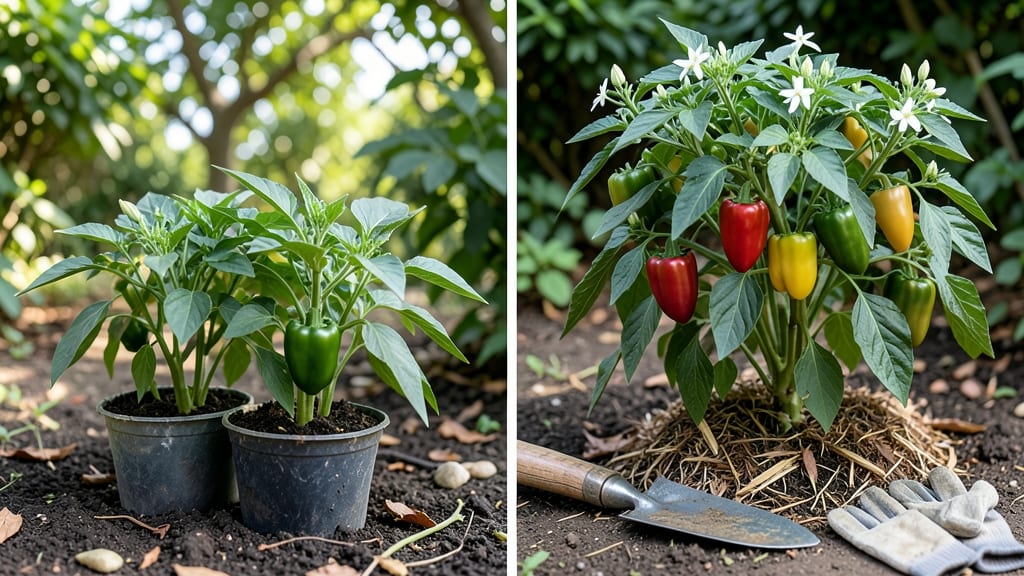
If you've ever watched your 🌶️ bell peppers bolt into flower too soon—turning sweet pods into bitter seeds—you know when to plant bell peppers in South Florida is everything in the region's relentless heat.
The key to avoiding this gardening nightmare isn't just planting at the right time, but choosing the perfect window when temperatures play nice with your peppers' delicate growth cycle.
Here's the secret: while you can grow bell peppers year-round in zones 10a-11, the sweet spot for zero-bolt risk falls between late winter and early spring, or again in fall when the sun isn't quite so aggressive.
That means March and April are your golden months—but there's more to it than just dates, especially when Miami's humidity clashes with Orlando's slightly cooler nights.
What you're about to discover isn't just about sticking seeds in the ground—it's about working with Florida's microclimates to give your peppers the exact conditions they crave.
We'll cover the heat-resistant varieties that actually thrive here, plus the pro moves that keep your plants happy even when the thermometer hits 95°F.
Ready to grow bell peppers that stay sweet and productive all season? Let's dive into the exact planting schedule—and the science behind it—that'll make your South Florida garden the talk of the neighborhood.
Best planting months for bell peppers in South Florida (avoid bolting with these exact dates)
South Florida’s tropical climate (USDA Zones 10a-11) lets you grow bell peppers year-round, but timing is everything to avoid premature bolting. The sweet spot is late winter to early spring or fall—when temperatures hover between 70°F and 85°F—but microclimates (Miami vs. Tampa) shift these windows slightly.
In Miami and Key West, where humidity stays high year-round, I start seeds indoors by January 15 for transplanting February 1. This gives seedlings a head start before summer’s brutal heat (often exceeding 90°F) triggers bolting.
In Tampa or Orlando, slightly cooler nights allow a 2-week later start—aim for February 15 transplanting.
Fall planting is your second chance to avoid summer stress. Seedlings should hit the ground by August 15 in Miami or September 1 in Tampa, giving them 8-10 weeks to mature before cooler nights (below 60°F) slow growth.
Peppers planted later than this often stunt or fail to fruit before winter’s chill.
Bolting—when peppers flower prematurely—is your biggest enemy in South Florida. It’s triggered by heat stress (above 90°F) or day-length changes. To prevent it, I avoid planting between May and July unless using shade cloth (30–50%). Even then, expect 50% lower yields compared to spring/fall plantings.
Microclimates matter! In coastal areas like Miami Beach, salt spray and higher humidity demand well-draining soil and daily watering. Inland areas like Fort Lauderdale can handle slightly drier conditions, but mulching with straw keeps roots cool. Test your soil’s pH (6.0–6.8)—acidic soil speeds up bolting.
Pro tip: Use a soil thermometer to confirm 70°F+ soil temps before planting. Cold soil delays germination, while overheated soil (above 95°
Best planting months for bell peppers in South Florida (avoid bolting with these exact dates)
South Florida’s tropical climate means you can grow bell peppers year-round, but timing is everything to avoid premature bolting. The key is planting when soil temperatures stay between 70°F and 85°F—too hot, and your peppers will flower and fruit too quickly, reducing yield.
Too cool, and germination slows or fails entirely.
For most of South Florida, the sweet spot is late winter to early spring, when temperatures are stable but not yet scorching. This aligns with Miami’s USDA Zone 10b-11, where frost is a non-issue, but heat stress remains the biggest enemy.
🌱
| Season | Ideal Planting Window | Soil Temp (°F) | Risk of Bolting | Notes |
|---|---|---|---|---|
| Spring | Late February – Early April | 70-80°F | Low | Best harvest window; avoid May heat spikes. |
| Fall | Late August – Early October | 75-85°F | Moderate (use shade cloth) | Extend season with black plastic mulch. |
| Summer | June – July (high-risk) | Above 90°F | Very High | Only attempt with heat-tolerant varieties. |
If you’re in Miami or Key West, aim for March 15th as your cutoff for spring planting—after that, temperatures climb too fast. In Tampa or Orlando, you’ve got a slightly longer window until April 1st, thanks to cooler inland breezes.
Always check your local microclimate; coastal areas heat up faster than inland spots.
For a second harvest, plant again in late August to beat the fall rains and cooler temps. Use black plastic mulch to keep soil warm and reduce bolting risks.
Avoid planting in May or June unless you’re using heat-resistant varieties and shade cloth—otherwise, you’ll battle bolting and poor fruit set.
🌿