
Plants
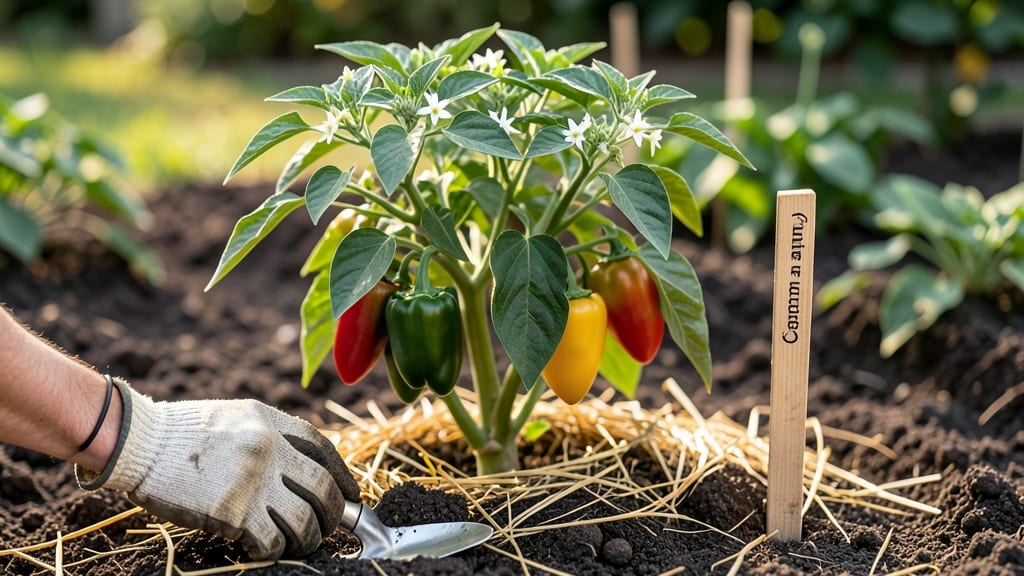
Timing your bell pepper planting in Kansas can mean the difference between a bountiful harvest and wasted effort. These heat-loving 🌶️ varieties demand precision—plant too early, and they’ll bolt before producing fruit; too late, and summer’s sweltering heat will stunt their growth.
For Kansas gardeners in zones 5b-7a, the ideal window runs from April 15 to May 15, right after the last frost. But with Kansas’ unpredictable weather, knowing exactly when to start seeds indoors or transplant seedlings is the key to avoiding common pitfalls.
I’ll break down the exact steps to time your planting perfectly—from soil temperature thresholds to regional microclimate tips. Whether you’re a seasoned gardener or just starting, these insights will help you grow sweet, abundant peppers all season long.
Let’s dive into the heat-zone precision that keeps your 🌶️ plants thriving and your harvests plentiful, no matter where you are in the state.
Kansas bell pepper planting timeline: avoid bolting with heat-zone precision
Bell peppers are heat-loving plants that thrive in Kansas’ long summers—but only if planted at the right time. Too early, and frost damage or cold soil will shock seedlings. Too late, and high summer temperatures can stunt growth or cause blossom drop.
The key is planting when soil temperatures hit at least 60°F and all frost risk has passed.
Kansas spans USDA zones 5b-7a, meaning frost dates vary from late March in southern regions to mid-April in northern areas. For most gardeners, this translates to a planting window between mid-April and mid-May. But don’t just rely on the calendar—soil temperature is your true guide.
🌱
| Stage | Action | Kansas Timeline | Soil Temp |
|---|---|---|---|
| Start Seeds Indoors | 8-10 weeks before last frost | Early February to mid-March | 65-75°F (use heat mat) |
| Hardening Off | 1-2 weeks before transplant | Late April to early May | 50-60°F |
| Transplant Seedlings | After last frost, soil ≥60°F | Mid-April to mid-May | 60-70°F |
| Direct Sow Outdoors | Soil ≥70°F, 2-3 weeks after last frost | Late April to early May | 70-80°F |
| First Harvest | 75-90 days after transplant | Late July to early August | 75-90°F |
For northern Kansas (USDA 5b-6a), aim for mid-to-late April planting, as frost can linger until mid-April. In southern Kansas (USDA 7a), you can start as early as early April or even late March with row covers.
Always check your local Kansas State University Extension frost date maps for precision.
If you’re using seedlings from nurseries, harden them off for 7-10 days before transplanting. Acclimate plants gradually to sun and wind by placing them outside for 2-3 hours daily, increasing exposure over time. This reduces transplant shock and ensures stronger root systems.
One of my biggest mistakes was rushing to plant in early April without checking soil temps—my peppers bolted before fruiting! Now, I use a soil thermometer ($10 at garden centers) to confirm 60°F+ before planting.
For extra warmth, lay down black plastic mulch 1-2 weeks before transplanting to raise soil temps by 5-10°F.
For late-season varieties, consider a second planting in early July to extend harvests into October. Choose shorter-day varieties like 'Aristotle' or 'Carmen' that mature faster in Kansas’ 160-day growing season. Just be prepared to use row covers if frost threatens early.
Pro tip: Mark your planting dates on a calendar and set reminders for fertilizing (every 4-6 weeks) and harvesting (every 5-7 days). Consistent care keeps peppers producing until first frost—usually around mid-October in Kansas.
Remember, bell peppers hate cold feet. Even if air temps are warm, cool soil will delay growth. If your soil is slow to warm, try straw mulch over black plastic to insulate roots while still trapping heat.
🌶️
Kansas bell pepper planting timeline: avoid bolting with heat-zone precision
Timing your bell pepper planting in Kansas is all about avoiding late frosts and heat stress. The USDA zones 5b-7a across Kansas mean your exact window varies—southern regions like Garden City can start earlier than Topeka or Wichita.
For most gardeners, the ideal window is April 15 to May 15, but soil temperature matters more than calendar dates.
Bell peppers won’t germinate in cold soil—wait until the ground reaches at least 60°F. In western Kansas, this often aligns with mid-April, while eastern Kansas may need to wait until early May.
Use a soil thermometer to confirm readiness before planting. This precision prevents bolting (premature flowering) or stunted growth from cool nights.
| Stage | Action | Notes |
|---|---|---|
| Soil Prep | Test pH (6.0-6.8), add compost | Use black plastic mulch 2 weeks before planting |
| Planting Window | April 15–May 15 (after last frost) | Western KS: Start 2 weeks earlier |
| Transplanting | Hardened seedlings (6+ weeks old) | Space 18–24 inches apart |
| First Harvest | July–August (60–75 days) | Early varieties like 'Aristotle' ready first |
If you’re starting seeds indoors, begin them 8–10 weeks before your target outdoor date. For Kansas gardeners, this means mid-February to early March. Use grow lights to prevent leggy seedlings, and harden them off for 7–10 days before transplanting.
Seedlings need warmth (70°F days, 60°F nights) to thrive, so avoid rushing them outdoors too soon.
For extended harvests, consider succession planting every 2–3 weeks through June 15. This ensures a continuous supply of fresh peppers from July through October.
Just monitor soil moisture closely—drought stress can cause peppers to become bitter or cracked. Mulch heavily with straw to retain moisture and regulate soil temperature.
Know your local frost dates—check the Kansas State University Extension for your county’s average last frost. In southern Kansas, you might squeeze in a second planting by July 1 for fall harvests, but northern regions should avoid this risk.
Always prioritize plant health over quantity to avoid diseases like blight or powdery mildew.
Pro tip: Use a row cover for early plantings to protect against unexpected late frosts. Remove it once plants are 2 feet tall to prevent heat buildup. With this precision timing, you’ll enjoy sweet, homegrown bell peppers all season—no bolting, no stress! 🌶️