
Plants
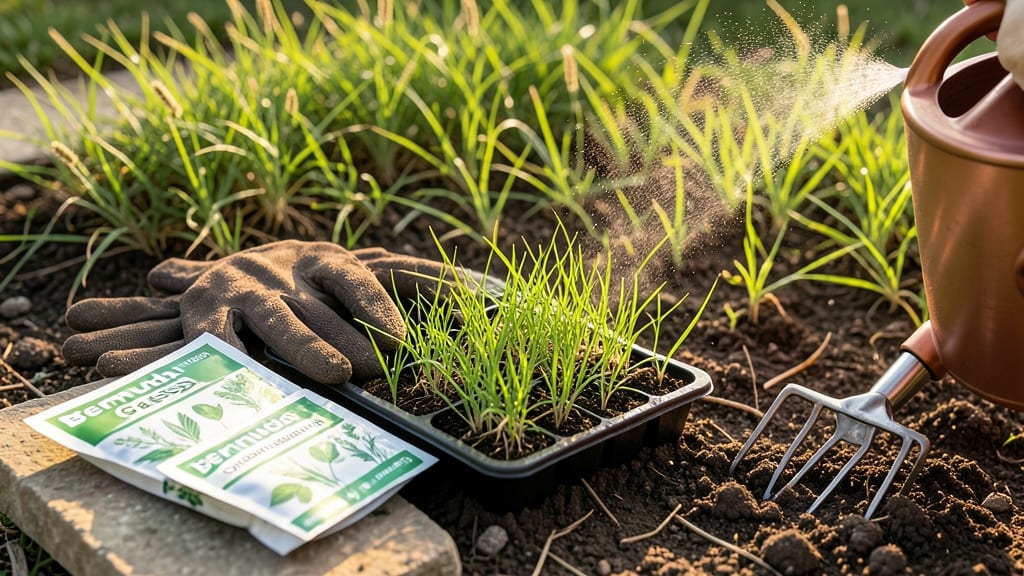
Planting Bermuda grass seed in Georgia at the wrong time can mean the difference between a lush, green lawn and a patchy, struggling yard—especially when summer heat arrives faster than you expect.
The key to success lies in understanding your region's microclimates, from the cooler North Georgia hills to the hotter Atlanta metro areas, where timing shifts slightly but dramatically affects germination.
Most Georgia gardeners swear by late spring to early summer planting, but there's a science behind those deadlines. We're talking soil temperatures hitting at least 65°F and the last frost safely behind you—usually by mid-May in most areas.
Miss this window, and you risk weak roots struggling to establish before summer's intense heat sets in.
What makes this even trickier? Georgia's two planting seasons—spring and fall—each with its own advantages and pitfalls. I'll break down exactly when to pull the trigger for your specific location, plus the critical prep work that separates thriving lawns from those that barely survive the first summer.
Whether you're starting fresh or repairing an existing lawn, getting this right means fewer headaches and more time enjoying your yard instead of patching bare spots. Let's make sure your Bermuda grass gets off to the strongest possible start.
Optimal planting windows for Georgia: spring vs fall deadlines explained
Georgia’s microclimates create a tricky balance for Bermuda grass planting—what works in North Georgia’s cooler hills may fail in South Georgia’s sweltering heat. The key? Soil temperature and frost-free windows. Bermuda grass needs consistent warmth (70°F+ soil temps) to germinate, which is why timing varies by region.
Most Georgia gardeners focus on spring planting (April–May), but fall (August–September) can work in warmer southern zones. The difference comes down to heat tolerance—Bermuda thrives in summer heat but struggles if planted too late in spring, when late frosts or drought stress can derail growth.
Here’s the breakdown: North Georgia (USDA Zones 7a–7b) should aim for late April to early May, while South Georgia (Zones 8a–8b) can extend planting until mid-May. Fall planting is risky unless you’re in Zone 8b, where August–early September might work if soil stays warm.
| Factor | Spring Planting (April–May) | Fall Planting (August–September) |
|---|---|---|
| Best For | North Georgia (Zones 7a–7b) | South Georgia (Zone 8b) |
| Soil Temp Requirement | 65°F+ (consistent) | 70°F+ (minimum) |
| Risk of Frost | Low (after April 15) | High (late Sept frost likely) |
| Watering Needs | High (daily until established) | Moderate (less rain in fall) |
| Establishment Time | 6–8 weeks | 8–10 weeks (slower in cooler temps) |
I’ve planted Bermuda in both seasons, and spring wins for most Georgia gardeners. The 6–8 week establishment window in spring aligns perfectly with summer’s peak growing conditions. Fall plantings often struggle with early frosts or drought stress as temperatures drop.
Pro tip: Use a soil thermometer to confirm 70°F+ soil temps before planting. In North Georgia, wait until May 1 to avoid late frost risks. For South Georgia, mid-April is safe, but May 15 gives better germination success.
One common mistake? Planting too early in March or April when soil is still cool. Bermuda grass seeds won’t germinate below 65°F, leading to wasted seed and weed competition.
Always check your local extension office for frost-free dates—Atlanta’s last frost is usually March 15, but Mountain City can see frost until April 15.
If you’re in Zone 8b (e.g., Savannah or Brunswick), fall planting in late August can work, but seedlings must establish before October. I’ve seen success with shade-cloth to protect young grass from early fall frosts.
Remember: Bermuda grass spreads aggressively once established, but poor timing leads to thin, patchy lawns. The golden window is late April to early June—stick to it, and you’ll have a lush, heat-resistant lawn by summer.
Optimal planting windows for Georgia: spring vs fall deadlines explained
Georgia’s climate demands precision when planting Bermuda grass seed. The ideal window spans from late April to early June, but fall planting (August–September) works in warmer southern regions.
This grass thrives in 70°F+ soil temperatures, so timing aligns with Georgia’s last frost dates (March 15 in North Georgia, April 1 in South Georgia).
Northern Georgia (USDA Zones 7a–7b) should prioritize spring planting to avoid fall frosts, while Southern Georgia (Zone 8a–8b) can extend into early fall. The key is soil warmth—wait until daytime temps consistently hit 75°F+ for germination success.
| Factor | Spring Planting (April–June) | Fall Planting (August–September) |
|---|---|---|
| Soil Temp | 65°F+ (after last frost) | 70°F+ (before first frost) |
| Best Regions | North & Central GA | South GA only |
| Establishment Time | 6–8 weeks | 4–6 weeks (warmer soil) |
| Risk Factor | Late frost damage | Early frost kill |
Spring planting offers longer growing seasons for root establishment, while fall planting leverages cooler temps to reduce water stress. For North Georgia, stick to May–June to avoid late spring frosts. In South Georgia, August planting works if soil stays warm through September.
Use a soil thermometer to confirm 70°F+ soil temps before planting. Northern Georgia gardeners should test 2–3 inches deep daily—delay planting if temps dip below 65°F. Southern Georgia can plant 2 weeks earlier due to warmer microclimates.
Bermuda grass hates competition, so clear weeds and till the soil to 1–2 inches deep before seeding. Apply a starter fertilizer (high in phosphorus) to boost root development during the critical first 30 days.
Once planted, maintain 1–1.5 inches of water weekly until germination (7–14 days). Morning watering prevents fungal diseases like brown patch, common in Georgia’s humid summers. After establishment, reduce to deep weekly waterings.