
Plants
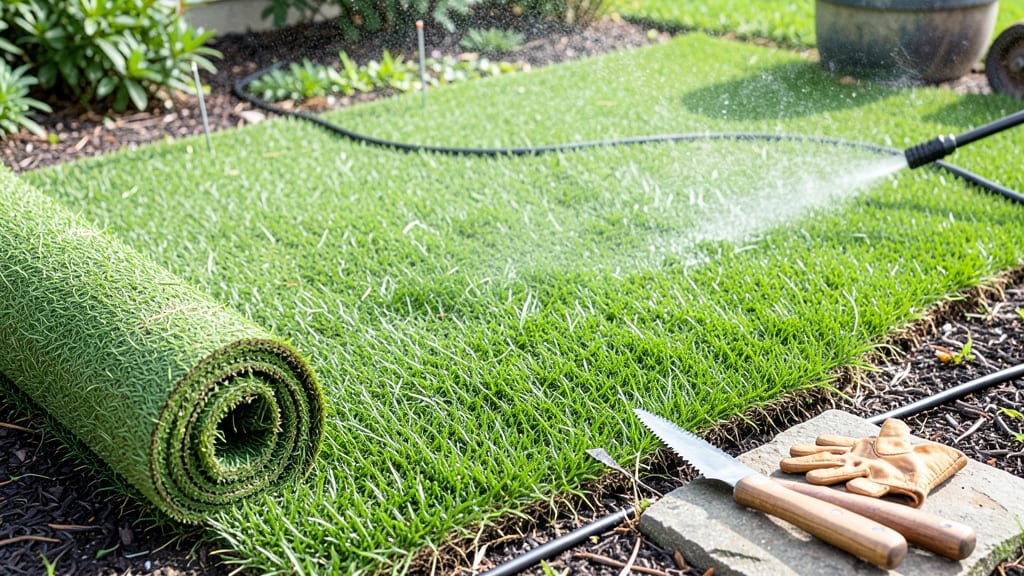
Planting Bermuda grass sod in Georgia at the wrong time can turn your dream green lawn into a frustrating wait—especially when soil temperatures are still too cool or pests take advantage of weak roots.
This fast-growing grass thrives in heat, but timing isn’t just about months—it’s about soil warmth, humidity, and avoiding Georgia’s unpredictable spring showers.
If you’ve ever watched your sod struggle to take hold or seen patches fail after installation, you know the stakes. The ideal window for Georgia’s 7b-8b zones is narrow: too early, and frost lingers; too late, and summer’s intensity stresses new roots.
I’ll break down the exact months (and why they matter) so you can plant confidently and skip the guesswork.
Beyond dates, success hinges on soil prep, irrigation, and even your lawn’s existing conditions. We’ll cover how to test soil temperature, set up watering schedules, and overlap planting with Bermuda’s natural growth cycle—because a strong start means fewer weeds, deeper roots, and that coveted drought-resistant lawn by summer.
Ready to transform your yard? Let’s dive into the step-by-step guide that’ll have your Bermuda grass sod established and thriving in no time—without the trial-and-error headaches.
Best planting months for Bermuda grass sod in Georgia's heat zones
Georgia's diverse climate—from the cooler USDA Zone 7b in the north to the balmy Zone 8b in the south—means your Bermuda grass sod planting window varies by region. Planting too early risks frost damage, while waiting too long can leave your lawn vulnerable to weed competition and heat stress.
Let's break down the ideal months for each zone and how to check if your soil is ready.
In North Georgia (Zone 7b), aim to plant Bermuda grass sod between mid-April and early May. This timing aligns with soil temperatures consistently reaching 65°F or higher, which is critical for root establishment.
For Central and South Georgia (Zones 8a-8b), the window shifts slightly later to late May through June, as these areas experience warmer springs.
Why the difference? Bermuda grass is a warm-season grass that thrives when daytime temperatures stay above 80°F. Planting too early in southern Georgia risks dormancy or slow growth, while northern areas need that extra time for soil warmth.
Always check your local frost-free date—Georgia's last frost typically occurs around March 15, but soil warmth lags behind air temperature.
To test soil readiness, use a simple soil thermometer buried 4 inches deep. Wait until readings stay above 65°F for 5-7 days—this signals it's safe to plant.
Pro tip: Morning soil temps are more reliable than afternoon spikes. If your thermometer reads lower, hold off for another week to avoid stunted growth.
While spring is the primary planting window, some gardeners opt for late summer (August) in southern Georgia. This approach takes advantage of fall rains to help roots establish before winter. However, this method requires extra irrigation if rainfall is scarce.
Always weigh your local climate patterns—southern Georgia's humid summers can accelerate growth, while northern areas may struggle with drought stress in late summer.
One common mistake is planting Bermuda grass sod in early spring (February-March) when soil is still cool. While the grass may sprout, roots won't establish properly, leaving your lawn vulnerable to disease and pests.
I've seen firsthand how sod planted in March in North Georgia often requires replacement by summer due to poor root development. Patience pays off—wait for that 65°F soil temp threshold.
If you're in a transition zone (like Middle Georgia), consider planting dwarf Bermuda varieties, which tolerate cooler soils slightly better than standard types. These varieties also handle foot traffic better once established, making them ideal for families with active kids or pets.
Just remember: even dwarf types need full sun exposure—at least 6-8 hours daily—to thrive.
For those in urban Atlanta areas, microclimates can shift planting windows by 2-3 weeks. If your yard is surrounded by concrete or pavement, soil warms faster, potentially allowing earlier planting.
Conversely, shady spots may require waiting an extra week. Always scout your specific site conditions before committing to a planting date.
Finally, don't overlook rainfall patterns when selecting your planting window. Georgia's summer thunderstorms can provide natural irrigation, but drought periods (common in late summer) may require supplemental watering. Plan to water 1-1.5 inches weekly during establishment, adjusting for rainfall.
A sprinkler timer set to early morning (before 10 AM) prevents fungal issues while keeping roots moist.
Timing your Bermuda grass sod planting correctly in Georgia isn't just about the calendar—it's about understanding your local microclimate, soil conditions, and the grass's growth habits.
By following these zone-specific guidelines and testing soil temperatures, you'll give your new sod the best chance to establish deep roots and outcompete weeds before summer's peak.
Critical factors that determine success beyond just months
Georgia's humid subtropical climate creates unique challenges for Bermuda grass sod. While April-May is ideal for North Georgia, Central and South Georgia can extend planting until June—but timing alone doesn't guarantee success.
Three critical factors—soil temperature, rainfall patterns, and growth stage alignment—work together to create the perfect window.
Bermuda grass needs soil temperatures above 70°F to establish deep roots. In USDA zones 7b-8b, this typically happens by mid-April in North GA but may wait until late May in South GA.
Use a soil thermometer to confirm—planting too early risks shallow roots and heat stress once summer arrives.
Rainfall patterns also play a pivotal role. Georgia's spring showers can create soggy soil, while summer droughts demand precise irrigation. Planting in late spring gives you control over moisture levels, reducing the risk of fungal diseases like brown patch that thrive in overwatered conditions.
Aligning with Bermuda grass's growth stages is often overlooked. The grass enters active growth when days exceed 12 hours of sunlight, typically by late March. Planting 4-6 weeks before peak growth (around April-May) gives roots time to establish before the heat and humidity of summer.
Spring vs. Summer Planting: Key Tradeoffs
Spring Planting
- Pros: Cooler temps, less weed competition
- Cons: Slower initial growth, higher water needs
Summer Planting
- Pros: Faster establishment, natural heat acclimation
- Cons: Higher pest risk, requires frequent watering
*Ideal window balances these factors for Georgia's climate.
Weed competition is another hidden challenge. Planting in late spring (May-June) gives Bermuda grass a 3-week head start over summer weeds like crabgrass. However, summer planting requires pre-emergent herbicides applied 2-3 weeks before sod installation to prevent weed takeovers.
Finally, irrigation infrastructure becomes critical. Bermuda sod needs 1-1.5 inches of water weekly during establishment. Georgia's summer heat can evaporate moisture quickly, so drip irrigation or soaker hoses are ideal. Morning watering (before 10 AM) minimizes fungal risks while maximizing root growth.
By combining soil temperature checks, seasonal rainfall awareness, and growth stage alignment, you'll create the perfect conditions for Bermuda grass to thrive in Georgia's challenging climate. The right timing isn't just about the calendar—it's about understanding how these factors interact in your specific heat zone.