
Plants
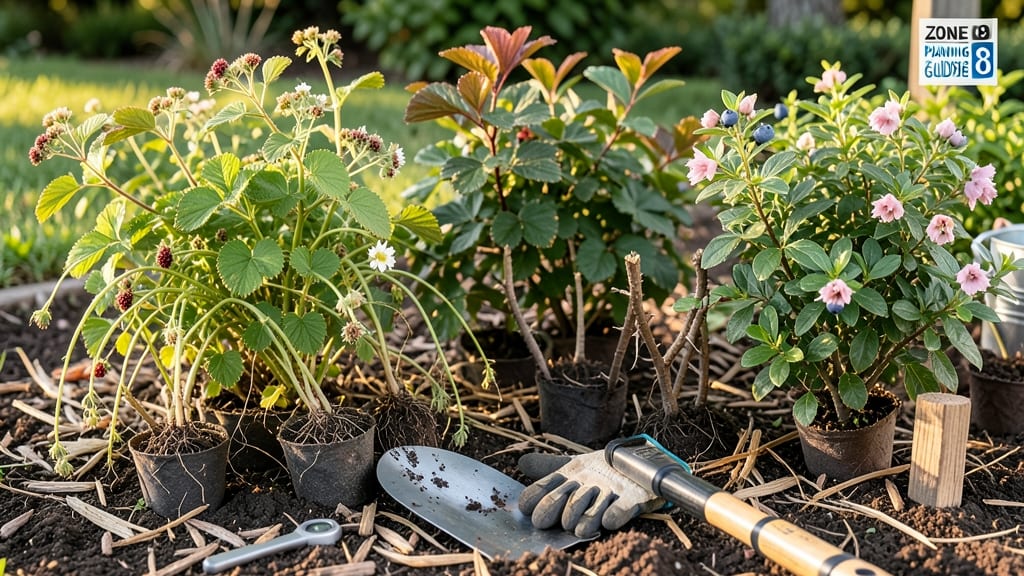
Knowing when to plant berries in Zone 8 can mean the difference between a bumper crop of juicy 🫐 and a sad, frost-nipped disappointment.
The mild winters and long growing season here give you two prime chances to plant—spring or fall—but timing is everything to avoid early frost or stunted growth.
If you’ve ever wondered why your strawberries never ripen fully or your raspberries produce sparse harvests, the answer might be in your planting schedule. Zone 8’s unique climate means you can’t just follow general rules; you need variety-specific strategies to maximize yields.
Let’s break down the best months for each type of berry and how to adjust for your microclimate.
For cool-season berries like strawberries and blueberries, late winter to early spring (February–March) is your window, while warm-season varieties like blackberries and some raspberries thrive when planted in fall (September–October).
But there’s more to it than just months—soil prep, frost dates, and even your neighborhood’s microclimate can shift your timeline by weeks.
I’ll show you exactly when to plant each variety for peak production, plus pro tips to extend your harvest season. Whether you’re a first-time gardener or a seasoned grower, these insights will help you avoid common mistakes and enjoy berries straight from your garden for months.

Best planting months for berries in Zone 8 by variety
Zone 8 gardeners have a 6-8 week window for planting berries, but timing varies by variety. Strawberries, raspberries, and blackberries thrive when planted in late winter (February-March) or early fall (September-October), while blueberries prefer fall planting for spring growth.
The key is avoiding late frosts that can damage tender new shoots.
For strawberries, choose between June-bearing (plant in fall) and everbearing (plant in spring or fall).
Bare-root plants need 4-6 weeks before last frost, while potted varieties can wait until March in most Zone 8 regions. Blueberries must be planted in fall to establish roots before winter dormancy.
📅 Zone 8 Berry Planting Calendar
| Variety | Best Planting Window | Chilling Hours Needed | Frost Risk |
|---|---|---|---|
| Strawberries (June-bearing) | Fall (Sept-Oct) | 300-500 hrs | Low (after Oct 15) |
| Strawberries (Everbearing) | Spring (Feb-Mar) or Fall | 200-400 hrs | Moderate (Feb-March) |
| Blueberries | Fall (Sept-Oct) | 500-900 hrs | Low (after Oct 15) |
| Raspberries (Summer-bearing) | Fall (Sept-Oct) | 600-1000 hrs | Moderate (Feb-March) |
| Raspberries (Fall-bearing) | Spring (Feb-Mar) | 200-400 hrs | High (Feb-March) |
| Blackberries | Fall (Sept-Oct) or Early Spring | 500-1000 hrs | Moderate (Feb-March) |
Raspberries come in two types: summer-bearing (plant in fall) and fall-bearing (plant in early spring). Summer-bearing varieties need 600-1000 chilling hours, while fall-bearing types thrive with 200-400 hours. Blackberries are the most flexible, handling both fall and spring planting as long as soil temps stay above 40°F (4°C).
If you're planting in spring, aim for February-March to give roots time to establish before summer heat. For fall planting, September-October is ideal—roots grow slowly in cool weather but avoid winter dormancy risks.
Always check your local last frost date (typically February 15 in Zone 8) to adjust timing.
Pro tip: Blueberries require acidic soil
Best planting months for berries in Zone 8 by variety
Zone 8’s mild winters and long growing season make it ideal for berries—but planting timing varies wildly between varieties. Strawberries, blueberries, raspberries, and blackberries each have unique needs, from chilling hours to frost sensitivity. Let’s break down the best months to plant each for peak yields and minimal stress.
For strawberries, the window is narrow: bare-root plants thrive when planted 4-6 weeks before last frost (typically February–March in Zone 8).
Potted varieties, however, can go in September–October for spring harvests. Blueberries, needing acidic soil (pH 4.5–5.5), should be planted in late winter (February) to establish roots before summer heat.
| Variety | Best Planting Months | Key Notes |
|---|---|---|
| Strawberries (Bare-Root) | February–March | 4–6 weeks before last frost; avoid summer heat stress. |
| Strawberries (Potted) | September–October | Fall planting for spring harvest; mulch heavily. |
| Blueberries | Late February–March | Acidic soil (pH 4.5–5.5); needs 300–900 chilling hours. |
| Raspberries (Summer-Bearing) | Late Winter (Feb) | Plant canes dormant; prune old canes post-harvest. |
| Raspberries (Fall-Bearing) | September–October | Fall harvests; plant 6–8 weeks before frost. |
| Blackberries | Late Winter (Feb–March) | Needs 500–1,000 chilling hours; trellis support. |
Raspberries split into two camps: summer-bearing varieties (plant in late winter for spring fruiting) and fall-bearing types (plant in September–October for late-season harvests). Blackberries, like raspberries, love late winter planting but need trellising to support their vigorous growth.
Pro tip: Ever-bearing strawberries (like ‘Albion’) can be planted in both spring and fall, giving you two harvest windows. For blueberries, amend soil with peat moss or sulfur 4–6 weeks before planting to hit that critical pH range.
Missed the spring window? Don’t panic—fall planting (September–October) works for many varieties, especially in Zone 8’s mild climate. Just ensure plants establish roots before November’s first frost. Mulch heavily to insulate roots and retain moisture.
Remember: Zone 8’s microclimates (like urban heat islands or high elevations) can shift ideal planting by 2–4 weeks. Always check your local last frost date and adjust accordingly.