
Planting
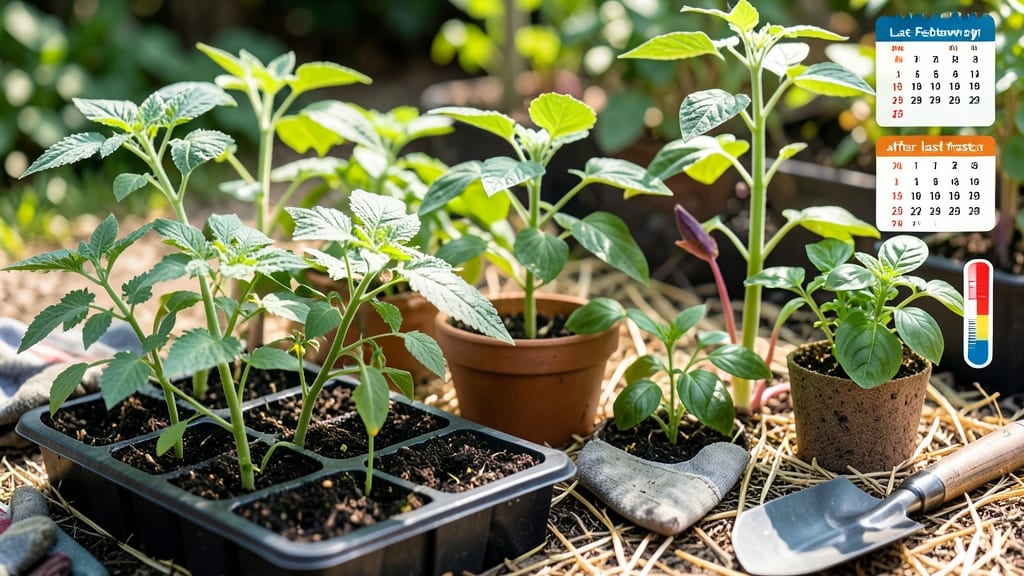
Knowing when to plant a garden in Central Texas could mean the difference between a bumper crop and a sad, wilted disappointment—and the exact months matter more than you might think.
If you've ever watched your lettuce bolt into flower the second the temperature ticks up or struggled with tomatoes that never quite ripen, you know the frustration.
This isn't just about throwing seeds into the dirt and hoping for the best.
The 8a-8b climate here demands precision: cool-season crops like broccoli and carrots need to go in September to avoid summer's heat, while warm-season favorites like peppers and squash should wait until after May 15 to dodge those early spring freezes.
I've spent years perfecting the schedule, and I'm about to share the exact windows that actually work for General Garden Plants 🌱 in your backyard.
You'll discover why planting too early can turn your garden into a science experiment gone wrong—and how to use simple tricks like mulching and shade cloth to stretch your growing season.
Whether you're a first-time gardener or a seasoned pro, these insights will help you avoid the most common mistakes and maximize your harvest.
Let's cut through the guesswork and get your garden thriving with a planting plan tailored specifically for Central Texas. You'll know exactly when to start seeds, transplant seedlings, and even which varieties play nice with our unpredictable weather.
Central Texas planting calendar: exact months to start cool-season vegetables for maximum yield
Central Texas gardeners face a unique challenge: unpredictable spring heat that can turn tender seedlings into sad, wilted memories. Cool-season crops like lettuce, broccoli, and cabbage need precise timing to thrive before the mercury climbs.
The key? Start planting 6-8 weeks before your last frost date—typically around September 15th for fall crops and January 15th for spring—to ensure a maximum yield before summer stress sets in.
Your average last frost date in Central Texas (USDA Zones 8a-8b) falls around March 15th, but soil temperatures can rise earlier. Always check soil thermometers—most cool-season crops prefer 45-75°F soil.
If your soil heats up too soon, opt for heat-tolerant varieties like Texas Blue White cabbage or Black Seeded Simpson lettuce, which can handle brief heat spikes.
Here’s the golden rule: Plant cool-season crops in September for a fall harvest and January-February for a spring harvest. This timing gives plants enough time to mature before summer’s relentless 90°F+ days arrive.
For example, broccoli takes 70-90 days to harvest, so planting by September 1st ensures heads form before heat stress.
🌱 Central Texas Cool-Season Planting Guide
| Crop | Best Planting Window | Days to Harvest | Soil Temp (°F) | Heat-Tolerant Variety |
|---|---|---|---|---|
| Lettuce | Sep 15 - Oct 15 | 30-50 days | 45-65°F | Black Seeded Simpson |
| Broccoli | Sep 1 - Oct 1 | 70-90 days | 50-70°F | Waltham 29 |
| Cabbage | Aug 15 - Sep 15 | 60-80 days | 50-75°F | Texas Blue White |
| Onions | Oct 1 - Nov 1 | 90-120 days | 50-65°F | Texas Early White |
| Spinach | Sep 15 - Oct 30 | 30-40 days | 45-60°F | Bloomsdale Long Standing |
Extend your cool-season growing window with row covers or cold frames. These tools add 2-4°F of warmth, delaying the need to switch to heat-tolerant varieties. For example, a floating row cover can protect lettuce from light frosts (down to 25°F) and buy you extra weeks of harvests.
Just remove covers during the day if temperatures exceed 80°F to avoid overheating.
Don’t forget to amend your soil before planting. Central Texas soil is often clay-heavy and alkaline, which can stunt cool-season crops. Mix in 2-3 inches of compost and a balanced fertilizer (10-10-10) to improve drainage and nutrient availability.
For acid-loving plants like peas, add sulfur or peat moss to lower the pH slightly.
One common mistake is planting cool-season crops too late in spring. By March 15th, soil temperatures can already be 70°F+, causing bolting (premature flowering) in lettuce and spinach.
If you miss the fall window, try shade cloth (30-50%) to protect seedlings from intense afternoon sun until they establish roots.
For maximum yield, succession plant fast-growing crops like radishes (25 days) and bush beans (50 days) every
How to time warm-season planting in Central Texas to avoid bolting and heat stress
Warm-season crops like tomatoes, peppers, and squash are the backbone of Central Texas gardens, but timing is everything. Plant too early, and your seedlings will bolt from the heat; wait too late, and you’ll miss the growing window entirely.
The key? Wait until after May 15—this rule is non-negotiable for most heat-loving plants in our USDA Zone 8a-8b climate.
Before you even think about planting, check your soil temperature. Warm-season crops thrive when soil is consistently above 60°F (15°C).
Use a soil thermometer to confirm—if it’s cooler, wait another week. Black plastic mulch or clear plastic tunnels can warm the soil faster if you’re eager to get started.
Shade cloth is your best friend during those first few weeks after transplanting. Texas afternoons can scorch young seedlings, so use 30-50% shade cloth until plants are established. Remove it gradually to harden off seedlings for full sun. I’ve lost count of the seedlings I’ve fried by skipping this step—don’t make my mistake!
Traditional Varieties
Pros: Classic flavors, widely available, well-documented growing tips.
Cons: Bolt easily in heat, require more frequent watering, shorter harvest windows.
Heat-Tolerant Varieties
Pros: Thrive in 90°F+ temps, longer harvest times, drought-resistant options.
Cons: May have slightly different flavors, harder to find locally, often more expensive.
Tomatoes
Traditional: Cherry Tomatoes, Roma
Heat-Tolerant: 'Heatmaster,' 'Solar Fire'
Squash
Traditional: Zucchini, Butternut
Heat-Tolerant: 'Eight Ball,' 'Cocozelle'
Beans
Traditional: Bush Beans
Heat-Tolerant: 'Rattlesnake,' 'Cowpeas'
Don’t forget to harden off your seedlings before transplanting. Move them outdoors for a few hours each day, gradually increasing their time outside over 7-10 days. This toughens them up so they can handle Central Texas’ unpredictable weather swings.
I’ve seen seedlings wilt dramatically after transplanting because they weren’t hardened off—save yourself the heartache and take this step seriously.
After planting, mulch heavily with straw or wood chips to retain moisture and keep roots cool. Water deeply early in the morning to prevent fungal diseases that thrive in the humid Texas summers. I aim for 1-2 inches of water per week, but adjust based on rain and heat.
Drip irrigation is a game-changer for warm-season crops—it delivers water right to the roots without wetting the leaves.
Finally, keep an eye on your plants for signs of heat stress, like yellowing leaves or drooping stems. If you see these, provide temporary shade and increase watering slightly. With the right timing and care, your warm-season garden will thrive even in Central Texas’ brutal summers.
The key is patience—wait for that May 15 deadline, and your plants will reward you with bountiful harvests all season long. 🌱☀️