
Plants
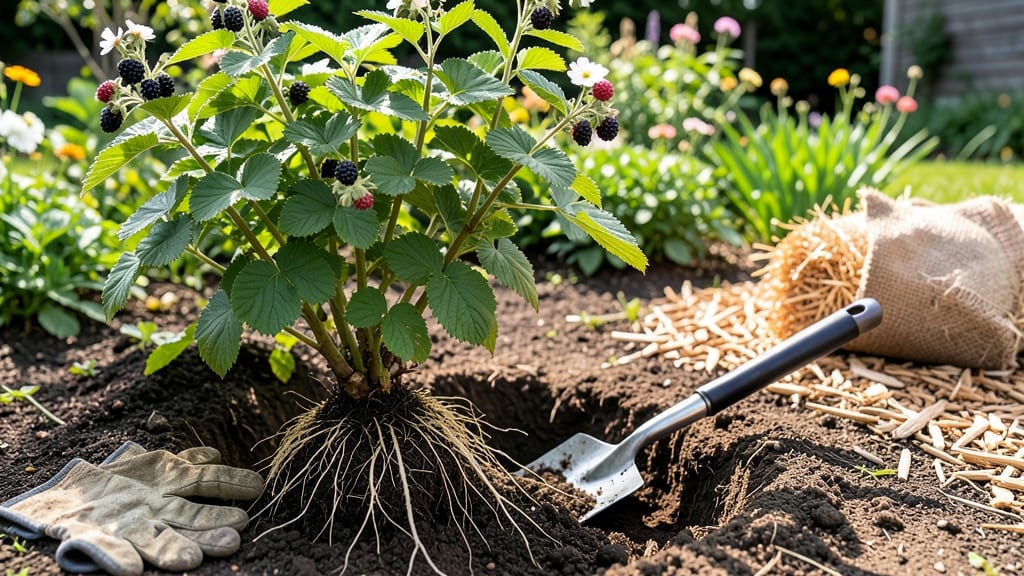
If you're wondering when to plant blackberries in Arkansas, timing is everything—especially with our humid climate and unpredictable springs. Planting at the wrong time can leave your 🫐 bushes struggling to take root, leading to weak growth or even failure.
Most Arkansas gardeners swear by late winter to early spring planting, but there's a science to it. The key is getting those bare-root canes in the ground when soil temperatures hit 50-60°F—just as the last frost (around March 15) begins to fade.
This window gives roots time to establish before summer's heat kicks in.
But here's the catch: Arkansas's 7a-8a zones mean northern and southern regions have slightly different ideal planting times. Should you plant in February or wait until April? I'll break down the pros and cons of both approaches so you can choose what works best for your microclimate.
Let's dive into the exact planting schedule, soil prep tips, and variety recommendations that will set your blackberry bushes up for a bumper crop from June through August.
Best Arkansas blackberry planting months: fall vs spring breakdown
Arkansas's USDA Zones 7a-8a create a unique challenge for blackberry planting—humidity, heat, and variable frost dates demand precise timing. Most gardeners default to spring planting, but fall offers cooler soil temperatures and reduced stress for young roots.
Let's break down the optimal windows for both seasons and how Arkansas's microclimates influence your decision.
In Northern Arkansas (Zone 7a), where frost lingers until mid-April, spring planting should wait until late March to early April. Southern regions (Zone 8a) can plant as early as February, but avoid planting before soil temperatures reach 50°F—critical for root establishment.
Fall planting, however, works best from October 15 to November 15 statewide, allowing roots to establish before winter dormancy.
Soil temperature is the key factor—blackberries thrive when soil is between 50°F and 65°F. In Arkansas, this window aligns with late winter (March) and early fall (October-November). Planting outside these ranges risks root shock or dormancy disruption, especially in Arkansas's clay-heavy soils that warm slowly.
Fall planting offers 3 key advantages for Arkansas gardeners:
- Cooler soil reduces transplant shock
- Established roots before winter dormancy
- Fewer pests compared to spring
| Factor | Spring Planting (Feb-Mar) | Fall Planting (Oct-Nov) |
|---|---|---|
| Ideal Soil Temp | 50°F-65°F (March) | 50°F-65°F (October-Nov) |
| Frost Risk | High (Zone 7a) | Low (After Nov 15) |
| Root Establishment | 6-8 weeks before harvest | 8-10 weeks before dormancy |
| Pest Pressure | Moderate (spring insects) | Low (fewer active pests) |
| Watering Needs | High (spring drought risk) | Moderate (fall rains help) |
| Best For Arkansas | Southern regions (Zone 8a) | Statewide (all zones) |
Spring planting in Arkansas demands precise timing—plant too early, and you risk frost damage to tender new growth. In Northern Arkansas, wait until after April 15 to ensure no late frosts.
Southern regions can plant as early as February 15, but monitor soil temperatures closely using a soil thermometer (available at local nurseries like Arkansas Nursery Supply).
For fall planting, prioritize October 15 to November 15—this window ensures roots establish before Arkansas's first frost (typically mid-November in Zone 7a and late November in Zone 8a). Planting after November 15 risks winter desiccation, where plants lose moisture through frozen soil.
In my Zone 7a garden, I've found October 20 to be the sweet spot for fall planting.
Arkansas's microclimates create additional variables. Mountainous regions (e.g., Ozark Plateau) experience earlier frosts and cooler soils, favoring late spring planting (April). Meanwhile, Delta areas (e.g., Arkansas River Valley) have longer growing seasons
Best Arkansas blackberry planting months: fall vs spring breakdown
Arkansas's humid subtropical climate (USDA zones 7a-8a) creates unique challenges for blackberry planting. The last frost date around March 15 and first frost near November 15 frame your planting window, but soil conditions and microclimates vary dramatically between North Arkansas (cooler) and South Arkansas (warmer).
I'll break down why spring planting (February-March) generally outperforms fall in most of the state, with exceptions for specific regions.
Blackberries thrive when planted during their dormant season, but Arkansas's warm winters mean fall-planted canes often sprout prematurely before cold sets in. This weakens root establishment and increases winter dieback risk.
However, Northern Arkansas gardeners (like in Bentonville or Fayetteville) can sometimes plant in late October if soil temps stay below 60°F consistently.
Here's the key difference: Spring planting (after last frost) gives roots 6-8 weeks of warm soil before summer heat stress, while fall planting risks fungal diseases from prolonged moisture and winter heaving in clay-heavy Arkansas soils.
The Ouachita Mountains region may push fall planting to mid-November due to cooler microclimates, but this requires careful monitoring.
- Soil Temp: 55-65°F
- Moisture: Moderate
- Root Growth: 6-8 weeks before summer
- Disease Risk: Low
- Best For: Statewide
- Soil Temp: 45-55°F
- Moisture: High (risk of rot)
- Root Growth: Limited before winter
- Disease Risk: High (fungal)
- Best For: North AR only
For spring planting success, aim for late February to early March when soil temps consistently stay above 55°F. This timing aligns with Arkansas's average last frost while giving roots time to establish before summer's 90°F+ heat.
In South Arkansas (Hot Springs area), you can push planting to early April to avoid early-season heat stress.
If you must plant in fall (like in Bergdorf or Mountain Home), choose October 15-30 and protect plants with 4-6 inches of mulch to moderate soil temps.
Monitor for blackberry rust and anthracnose—both thrive in Arkansas's humid conditions during fall planting. I recommend fungicide treatment if planting after October 15.
Remember: Arkansas's extended growing season means blackberries planted in optimal spring windows can produce fruit earlier and more abundantly. The 30-day difference between early spring and late spring planting can mean 20% yield variation in Arkansas's climate. Don't rush—wait for that soil thermometer reading of 55°F+ before planting! 🌱