
Plants
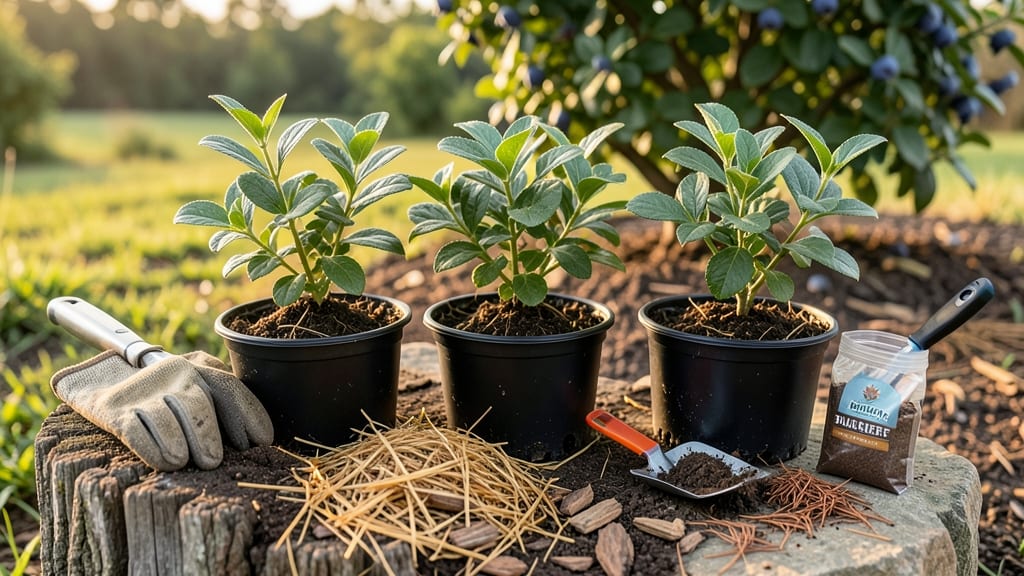
Planting blueberries in Arkansas isn’t just about grabbing a bush and sticking it in the ground—it’s about matching the right variety to your chill hours and timing the transplant perfectly to avoid wasted effort.
With Arkansas’s 7a-8b zones, you’ve got a narrow window to get it right, whether you’re planting in late winter or fall.
Here’s the deal: Blueberries need a specific number of cold hours to produce fruit, and Arkansas’s climate can throw a curveball if you’re not prepared.
I’ll break down the best planting windows—why fall often wins, when spring works better, and how to adjust for your local microclimate—so you don’t end up with a bush that just sits there looking pretty instead of bursting with 🫐.
You might think all blueberries are created equal, but the wrong variety in your yard could mean no harvest.
I’ll walk you through the top Arkansas-friendly types, from Southern Highbush to Rabbiteye, and how to prep your soil like a pro—because even the best timing won’t save you if the pH is off.
Ready to turn your Arkansas garden into a blueberry powerhouse? Let’s dive into the exact steps, tools, and timing tricks that’ll have you harvesting sweet, juicy berries in May or June—no guesswork, just results.
Best blueberry varieties for Arkansas based on chill hours
Arkansas’s climate—from the cool mountain regions to the humid southern plains—demands blueberry varieties that match chill hours and heat tolerance. Most Arkansas zones (7a-8b) need varieties with 300-900 chill hours to thrive. Southern Highbush types dominate, but Rabbiteye varieties excel in warmer southern areas.
Northern Arkansas (zones 7a-7b) gets 500-800 chill hours, making it ideal for Duke and Tifblue varieties. Central Arkansas (zone 7b-8a) with 400-600 chill hours favors Climax and Premier, while southern Arkansas (zone 8a-8b) with 300-500 chill hours thrives with Southern Highbush types like Star or Legacy.
Always check your last frost date (March 15 in most areas) to align planting with variety needs. For example, Rabbiteye types like Powderblue handle Arkansas’s summer heat better than traditional Northern Highbush varieties.
🌱
🌱 Arkansas Blueberry Variety Guide by Chill Hours
| Variety Type | Chill Hours | Best Arkansas Zones | Planting Window | Fruit Ripens |
|---|---|---|---|---|
| Southern Highbush | 300-500 | 8a-8b (South) | Oct-Nov or Feb-Mar | May-June |
| Rabbiteye (e.g., Tifblue) | 500-800 | 7a-8a (Central/North) | Feb-Mar (bare-root) | June-July |
| Half-High (e.g., Top Hat) | 400-600 | 7b-8a (Central) | Oct-Nov or Feb | May-June |
| Northern Highbush (e.g., Duke) | 800-1000 | 7a (North) | Oct-Nov | Late June |
⚠️ Note: Southern Arkansas gardeners should avoid Northern Highbush varieties—they won’t get enough chill hours!
For urban gardeners in cities like Little Rock or Fayetteville, container-grown Southern Highbush varieties (like Star) are perfect—they tolerate heat and smaller spaces. Just ensure your pots have drainage holes and use acidic potting mix.
If you’re in rural areas with well-draining soil, Rabbiteye varieties like Centurion or Delite thrive with minimal fuss. They’re also drought-tolerant once established, making them ideal for Arkansas’s variable rainfall.
Always test your soil’s pH before planting—blueberries demand acidic soil (4.5-5.5). Use a soil test kit from your local Arkansas Cooperative Extension office for precise results. If your soil is too alkaline, amend it with peat moss or sulfur 2-3 months before planting.
🌿
Pro tip: Pair low
Step-by-step planting timeline for Arkansas blueberries
Timing your blueberry planting in Arkansas is critical—these shrubs need 600-900 chill hours to fruit well, and Arkansas’s variable climate demands precision. Whether you choose fall or spring planting, follow this month-by-month guide to ensure success in your USDA Zones 7a-8b.
Fall planting (October-November) gives roots time to establish before winter, while spring planting (February-April) avoids late-season stress. Both methods work in Arkansas, but fall planting is often preferred for bare-root plants since they can root before dormancy.
Test soil pH (4.5-5.5)—Arkansas’s alkaline soils often need peat moss or sulfur. Choose a sunny, well-draining spot with 6+ hours of sunlight daily.
Plant bare-root or potted blueberries after soil cools (60°F or below). Space 3-6 feet apart (dwarf varieties need less). Dig a hole twice as wide as the root ball but no deeper.
Water deeply 2-3 times weekly—Arkansas’s heat can dry soil quickly. Mulch with pine needles or wood chips (2-3 inches) to retain moisture and acidify soil.
Reduce watering to bi-weekly (unless snow-free). Protect young plants from freeze-thaw cycles with mulch or burlap wraps in northern Arkansas (Zone 7a).
If planting in spring, do so after last frost (mid-March). Soak roots in water for 2 hours before planting to reduce transplant shock. Fertilize with 10-10-10 acid-loving plant food after new growth appears.
Monitor for powdery mildew (common in Arkansas’s humidity). Prune dead wood in early spring and thin canes to improve airflow. Harvest first berries in Year 3!
Arkansas’s microclimates matter—urban areas (like Little Rock) may experience heat islands, while rural zones (like the Ozarks) stay cooler. Adjust watering if your area hits 90°F+—blueberries need consistent moisture but hate soggy roots.
Pro tip: Mark your planting date on a calendar! Arkansas’s variable frost dates (late March to mid-November) mean you’ll need to stay flexible. For Rabbiteye varieties, fall planting is best—they thrive in Arkansas’s heat but need early establishment.