
Plants
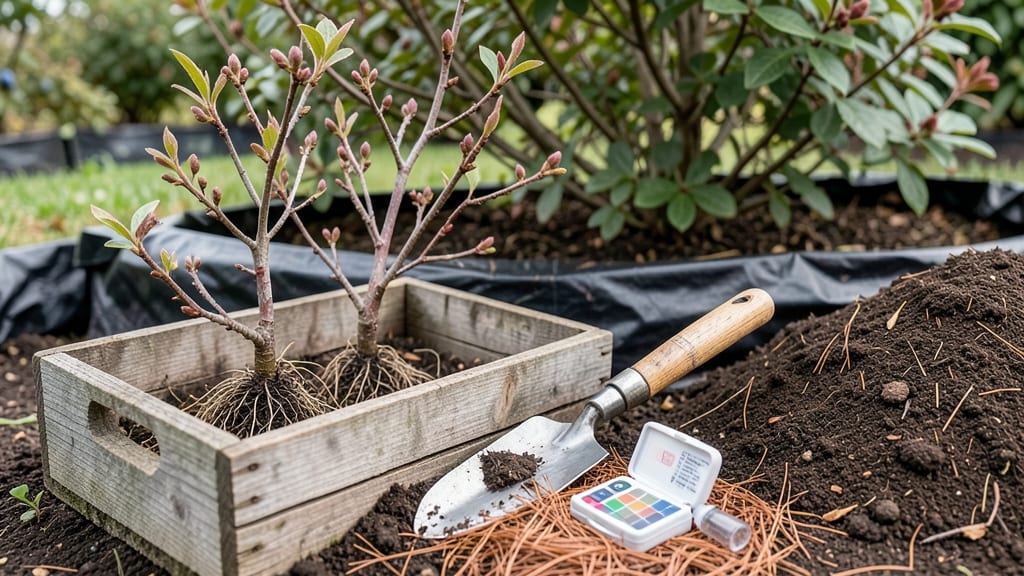
Planting blueberries in Seattle isn’t just about timing—it’s about working with the city’s famously mild but unpredictable climate to give your 🫐 bushes the best shot at thriving. Too early, and frost can stall root growth; too late, and your plants might not establish before winter’s chill sets in.
Most gardeners here swear by late winter to early spring (February to April) as the sweet spot, when soil warms enough to encourage strong root development before the growing season kicks in.
But fall planting (September to October) also works—if you’re strategic about soil prep and mulching to protect young roots from Seattle’s damp winters.
The key is understanding your microclimate: Urban areas like Capitol Hill might stay warmer longer than rural zones, while spots near Puget Sound can get extra chilly. I’ll break down exactly how to read your yard’s signals and choose the perfect window for planting.
Whether you’re prepping garden beds or container setups for your balcony, these insights will help you avoid common pitfalls and set your blueberries up for a bountiful harvest next summer. Let’s get those roots growing right!
Best planting windows for blueberries in Seattle’s climate zones
Seattle’s USDA Zone 7b-8a climate creates unique challenges for blueberry planting. Unlike warmer regions, our cool, wet winters and mild springs demand precise timing to avoid frost damage or poor root establishment.
The two best windows are early fall (September-October) and late winter (February-March), each offering distinct advantages for your 🫐 bushes.
Fall planting gives roots time to establish before winter dormancy, while spring planting aligns with natural growth cycles. Both methods work in Seattle, but your choice depends on your microclimate—whether you're in a rainier lowland area or a drier upland zone.
Let’s break down the ideal timing for each approach, including soil temperature considerations and frost risk factors.
🌱 Did You Know? Seattle’s last average frost date is March 15, but microclimates can push this 2-3 weeks earlier in sheltered urban areas. Always check your local frost data before planting in spring!
| Planting Window | Soil Temperature | Frost Risk | Best For |
|---|---|---|---|
| September - October (Fall) | 50-60°F (10-15°C) | Low (post-first frost) | Establishing roots before winter |
| February - March (Late Winter) | 40-50°F (4-10°C) | Moderate (before last frost) | New growth alignment |
| April (Early Spring) | 50-60°F (10-15°C) | High (post-last frost) | Urgent planting (bare-root only) |
For fall planting (September-October), aim to get your blueberries in the ground 6-8 weeks before your first frost. In Seattle, this typically means planting by mid-October in most areas.
The cool soil temperatures during this window encourage root growth without stressing the plant, and the roots will be well-established by winter. This method is ideal if you're planting container-grown bushes, which handle transplanting better in cooler weather.
If you choose late winter (February-March), time your planting to occur 4-6 weeks before your last frost date. This gives the roots a head start before active growth begins. In Seattle’s climate, this usually means planting in late February to early March.
The key is to plant bare-root blueberries as soon as they arrive, since their roots can dry out quickly even in our cool weather. Avoid planting too early in winter, as frozen soil can damage roots.
Spring planting in April is riskier in Seattle due to late frosts, but it can work if you're using bare-root plants and can protect them with frost cloth. This window is best for urban gardeners who missed fall planting or need to replace failed bushes.
Always monitor your local frost forecast and be ready to cover young plants if temperatures drop unexpectedly.
Seattle’s microclimates play a huge role in timing. If you're in a warmer inland area like Kenmore or Kirkland, you might push fall planting into early November. Conversely, cooler coastal areas like West Seattle or Bainbridge Island may need to plant by mid-October to avoid early frosts.
Observe your local weather patterns for at least a year to refine your timing—this is especially important for container-grown blueberries, which are more sensitive to temperature fluctuations.
One common mistake in Seattle is planting too late in fall, when soil temperatures drop below 50°F (10°C). At this point, root growth slows dramatically, and your bushes may enter winter dormancy without proper establishment.
Always check soil temperature with a soil thermometer before planting—aim for 50-60°F (10-15°C) for optimal root development.
For container growing, which is popular in Seattle’s urban areas, follow the same timing rules but be extra vigilant about watering consistency and protecting from wind. Containers dry out faster and are more susceptible to temperature swings.
Use insulated pots and move containers to sheltered spots during winter to prevent root damage from freezing.
Remember that blueberries need acidic soil (pH 4.5-5.5), and Seattle’s native soil is often too alkaline for optimal growth. Whether you plant in fall or spring, soil preparation is just as critical as timing.
We’ll cover that in detail in the next section, but for now, mark your calendar for September-October or February-March—these are your best bets for 🫐 success in Seattle’s climate.
How to prepare your Seattle garden for blueberry planting success
Seattle’s acidic, often soggy soil and cool, wet climate can make blueberry planting a challenge if you don’t prep properly. The key is creating a well-draining, acidic environment (pH 4.5-5.5) that mimics their natural bog habitats.
Without this, your bushes will struggle to absorb nutrients, leading to stunted growth or poor fruit production.
Start by testing your soil pH using a home test kit or sending a sample to a local extension office. Seattle’s native soil is often too alkaline for blueberries, so you’ll likely need to amend it with peat moss, pine needles, or sulfur.
Aim to lower the pH gradually over 2-3 months before planting.
Next, choose a sunny, slightly elevated spot in your garden. Blueberries need 6+ hours of sunlight daily, but they hate sitting in standing water. If your yard is naturally wet, consider planting in a raised bed or hill mound to improve drainage.
Urban gardeners can also grow blueberries in large containers with acidic potting mix.
Before planting, loosen the soil to a depth of 12-18 inches and mix in 3-4 inches of compost or well-rotted manure. Avoid fresh manure, as it can raise the soil pH too quickly.
For container growers, use a mix of 50% peat moss, 30% pine bark, and 20% perlite to ensure proper drainage and acidity.
⚠️ Critical Warning: Avoid These Mistakes!
Don’t plant blueberries in alkaline soil (pH above 6.0)—it causes nutrient deficiencies like yellow leaves and poor fruit set. Also, avoid overwatering, which can drown roots in Seattle’s already wet climate. Always check soil moisture before watering!
Mulch your blueberry bushes with 3-4 inches of pine straw or wood chips to retain moisture, suppress weeds, and slowly acidify the soil. Replenish the mulch annually, especially in spring and fall. For container plants, top-dress with fresh mulch every 2-3 months to maintain acidity.
Finally, consider installing a drip irrigation system to deliver water directly to the roots. Blueberries need consistent moisture but hate soggy feet, so drip irrigation helps prevent both drought stress and root rot.
In Seattle’s rainy season, you may not need to water as frequently, but containers will dry out faster.
With these steps, your blueberry bushes will have the perfect acidic, well-draining environment to thrive in Seattle’s unique climate. Now you’re ready to plant during the ideal windows we’ll cover next!