
Plants
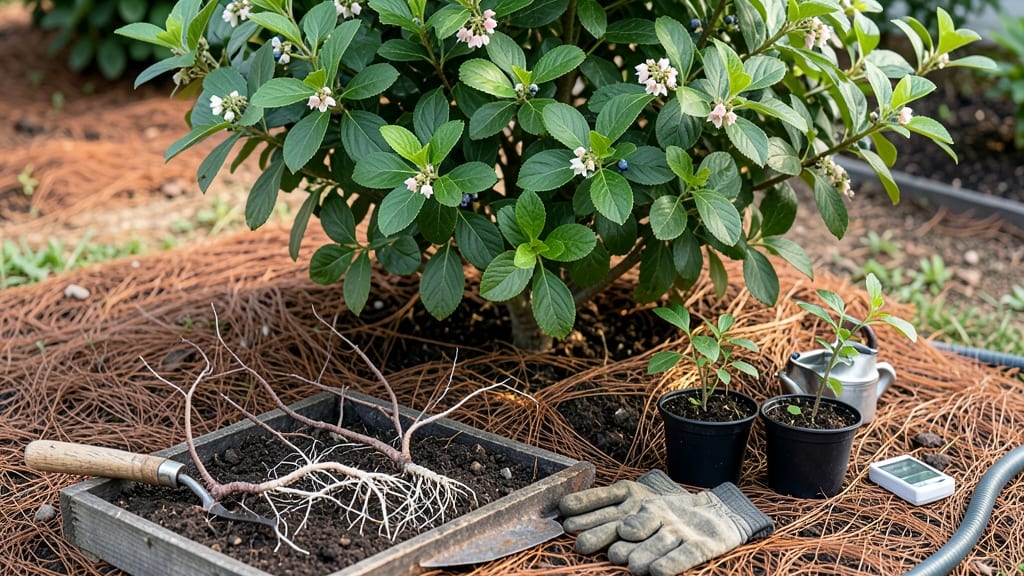
Timing your blueberry 🫐 planting in Zone 8b isn’t just about avoiding frost—it’s the secret to unlocking sweet, juicy harvests every May to June. Plant too early, and your bushes might struggle with winter chill; too late, and they’ll miss the critical growing window before the heat sets in.
The 4-6 week window before your last frost (usually around February 15) is your golden opportunity.
But here’s the catch: Zone 8b’s mild winters and hot summers mean you’ve got to work with your local microclimate. Whether you’re in Southern California’s coastal fog or Georgia’s humid lowlands, the right prep—like acidic soil and proper mulching—can make all the difference.
I’ll walk you through exactly how to time it, so your bushes get off to the strongest start possible.
You’ll also discover how container-grown blueberries can extend your planting window, which varieties handle Zone 8b’s heat best, and why soil pH is the most important factor for success. Skip the guesswork and learn the precise steps to turn your backyard into a blueberry paradise.
Let’s dive into the exact weeks, soil secrets, and care tips that’ll have you picking plump, flavorful berries in no time—without the trial and error.

Optimal blueberry planting weeks before last frost in Zone 8b (with exact timing)
Zone 8b gardeners have a 6-week window to plant blueberries—typically from late February to early March. This timing aligns with soil warming to 45°F (7°C), which signals root growth without risking frost damage. Miss this window, and you may face stunted growth or delayed fruiting.
Blueberries planted 4-6 weeks before last frost (usually February 15 in Zone 8b) establish roots before heat stress arrives. For example, in Southern California, aim for late February, while Georgia gardeners should plant by early March.
Microclimates matter! Coastal areas with milder winters can plant 2 weeks earlier, while inland zones should delay until soil reaches 50°F (10°C). Always check your local frost date—the USDA Zone 8b range spans 250 frost-free days.
🌱
📅 Zone 8b Blueberry Planting Timeline
| Stage | Action | Key Notes |
|---|---|---|
| Late Winter | Plant dormant bare-root bushes | Soil temp: 45°F+ (7°C+) |
| Early Spring | Transplant potted blueberries | Avoid frost after planting |
| Spring (4-6 wks post-plant) | Mulch & fertilize | Use pine bark mulch (pH 4.5-5.5) |
| Summer | Water deeply (1-2 gallons) | Morning watering only |
Spring-planted blueberries in Zone 8b need consistent moisture to combat summer heat. If you miss the spring window, fall planting (September-October) is possible—but only for container-grown bushes with established roots. Bare-root plants struggle to establish before winter.
For container blueberries, extend your planting window! Containers warm faster in spring, letting you plant 2-3 weeks later than in-ground bushes. Just ensure pots have drainage holes and use acidic potting mix.
🌡️ Pro Tip: Use a soil thermometer to confirm 45°F (7°C) soil temps before planting. Cold soil delays root growth, leaving bushes vulnerable to heat stress once summer arrives.
Blueberries planted too early (before soil warms) risk root rot from soggy soil, while late planting (after March 15) may delay first-year fruiting. Aim for the sweet spot—late February to early March—for Zone 8b success.
💡 Remember: Dwarf varieties (like 'Top Hat') establish faster than standard bushes, making them ideal for container growing or small spaces. They also fruit 1-2 years sooner than larger types.
If your Zone 8b spring brings unpredictable frost, opt for heat-tolerant varieties like 'Duke' or 'Climax'—they handle late-season warmth better than traditional types. Always monitor weather forecasts and protect young plants with frost cloth if needed.
How to prepare your Zone 8b soil for blueberry planting (acidity & drainage secrets)
Zone 8b’s warm winters and hot summers create unique challenges for growing blueberries—especially when it comes to soil acidity and drainage. Unlike cooler zones, your soil might naturally lean alkaline, which can stunt growth or prevent fruiting entirely.
The key? Lowering your soil’s pH to 4.5-5.5 and ensuring it drains like a well-tended sponge. Without this prep, even the best-timed planting can fail.
I’ve learned the hard way that skipping soil prep is like planting seeds in concrete—nothing grows. In Zone 8b, where summer heat can bake soil and winter rains often don’t acidify it naturally, you’ll need to take active steps to mimic blueberries’ native bog-like conditions.
Let’s break down the exact amendments, tools, and testing methods to get your soil ready for planting.
🌱 Did You Know? Blueberries evolved in acidic, peaty wetlands—yet most Zone 8b gardens have neutral or alkaline soil. A simple pH test can reveal if your soil is 3-4 points too high, which is why I always test before planting. 📋
Zone 8b Soil Challenge
Alkaline soil (pH 7+) blocks nutrient uptake, while poor drainage causes root rot. Blueberries need acidic, well-draining soil to thrive.
Start by testing your soil’s pH with a home test kit (available at garden centers for $10-$15). Aim for a reading between 4.5 and 5.5. If your soil tests higher, you’ll need to add sulfur or peat moss to lower the pH gradually.
For example, mixing in 2-3 inches of peat moss or applying 1/2 pound of elemental sulfur per 100 square feet can drop the pH by 1-2 points over a few months.
Drainage is equally critical. Blueberries hate soggy roots, so amend heavy clay soil with compost or sand to improve aeration. Raised beds are a game-changer in Zone 8b, as they warm up faster in spring and allow you to control soil composition entirely.
If your yard has poor drainage, consider planting in containers with acidic potting mix—this extends your planting window and eliminates drainage issues.
Pro tip: Mix in pine bark fines or composted leaves to maintain acidity long-term. These organic amendments break down slowly, keeping your soil’s pH stable. Avoid fresh wood chips or sawdust, as they can tie up nitrogen and slow growth.
Once your soil is prepped, you’re ready to plant your blueberry bushes in the optimal 4-6 week window before last frost.
Remember, patience is key. Amending soil takes time, especially in Zone 8b’s warm climate. Test your soil again in 3-4 months to ensure the pH is where it needs to be before planting.
With the right prep, your blueberries will reward you with sweet, abundant harvests for years to come. 💧