
Plants
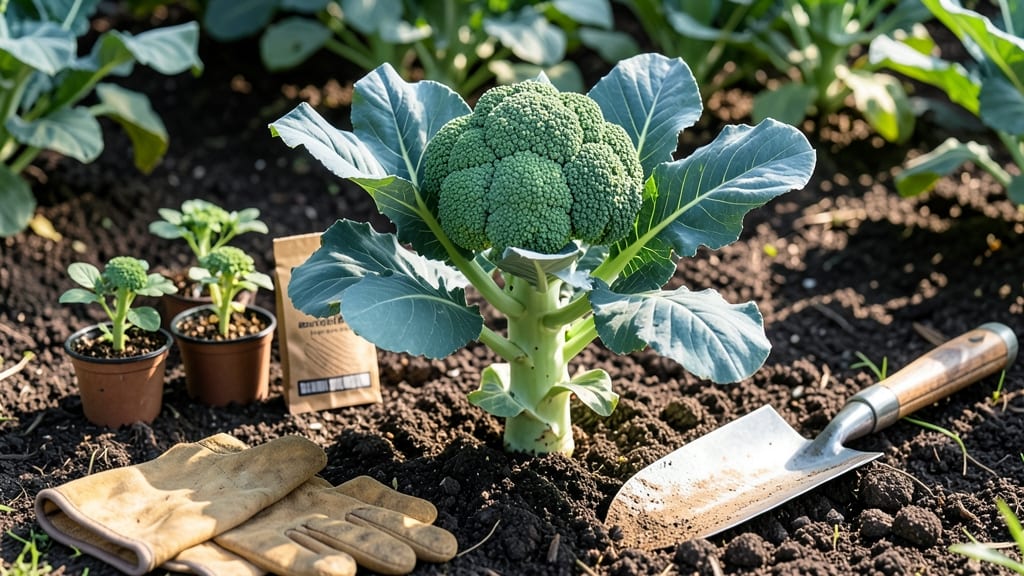
Planting broccoli in Central Texas might seem tricky with its intense heat, but timing it right can mean the difference between a thriving 🥦 harvest and a wilted disappointment.
The key isn’t just picking the right month—it’s understanding how your local climate plays into when to get those seeds in the ground for maximum success.
With USDA Zone 8a temperatures swinging from scorching summers to crisp fall mornings, you’ve got two prime windows to work with: late August to early September for fall harvests and February to early March for spring.
Missing these windows means battling heat stress or late-season frost, neither of which broccoli enjoys.
I’ll walk you through exactly when to plant, which heat-tolerant varieties perform best in Central Texas, and how to prep your soil to give your broccoli the fighting chance it needs. No guesswork—just actionable steps to grow bold, flavorful heads that’ll make your garden the talk of the neighborhood.
Ready to turn your backyard into a broccoli powerhouse? Let’s dive into the perfect planting schedule that’ll have you harvesting through November—or even into December if you’re lucky. Your green thumb (and taste buds) will thank you.
Best planting windows for broccoli in Central Texas heat zones
Central Texas’s USDA Zone 8a climate demands precise timing for broccoli success. The key is planting when soil temperatures hover between 70-75°F—ideal for germination—while avoiding summer’s 90°F+ heat, which stresses seedlings.
My strategy? Two planting windows: fall for cooler weather and spring to capitalize on mild temperatures before summer arrives.
For fall harvests, aim to plant broccoli seeds 4-6 weeks before your first frost (typically by late August to early September). This gives plants enough time to mature before temperatures drop below 40°F, which can stunt growth.
Conversely, spring planting should occur in February to early March—just after the last frost—to ensure seedlings establish roots before summer’s relentless heat.
Here’s the critical detail: Central Texas’s unpredictable weather means microclimates matter. If you live in a warmer microclimate (like Austin’s urban heat islands), plant slightly earlier. In cooler areas (like the Hill Country), delay by 1-2 weeks to avoid early-season heat stress.
🌱
Pro tip: Use a soil thermometer to confirm temperatures before planting. If your soil runs hotter than 80°F, wait a few days or use shade cloth to protect seedlings until they establish roots. I’ve seen seedlings bolt (flower prematurely) when stressed by heat, so patience here pays off.
Another critical factor is day length. Broccoli thrives on 12-14 hours of daylight, which Central Texas provides in spring and fall. During summer’s longer days (14+ hours), broccoli may bolt faster, so choose heat-tolerant varieties (like ‘De Cicco’) if you’re pushing the envelope with late spring planting.
For container gardeners, timing shifts slightly. Containers heat up faster, so plant 2-3 weeks earlier than in-ground beds to account for the extra heat. I’ve had success with black plastic pots, which absorb heat and warm the soil faster—just monitor moisture closely.
Finally, don’t overlook succession planting. In Central Texas, you can squeeze in two small fall plantings (late July and early September) for a staggered harvest. Just be prepared to provide extra shade for the later planting if temperatures stay high.
☀️
Soil preparation and mulching strategies to beat Central Texas heat
Central Texas’s intense summer heat and calcareous soil can make broccoli cultivation challenging, but the right soil prep and mulching can turn your garden into a thriving oasis. Start by testing your soil’s pH (6.0–7.0 ideal)—broccoli hates alkaline conditions.
Amend with compost or peat moss to improve drainage and organic matter, which helps retain moisture during scorching afternoons.
Incorporate aged manure or worm castings into the top 6–12 inches of soil before planting. This boosts nutrient density and microbial activity, giving your broccoli plants the energy to fight heat stress.
For heavy clay soils common in Austin and San Antonio, mix in sand or perlite to prevent waterlogging, which can suffocate roots during sudden Texas downpours.
Pro Tip: Mulch Like a Pro
Use straw or wood chips (2–3 inches thick) to lock in moisture and regulate soil temperature. Avoid plastic mulch—it traps heat and can cook tender broccoli roots.
Mulching is your secret weapon against Central Texas’s evaporative heat loss. Apply organic mulch like straw or shredded leaves immediately after planting. This creates a cool microclimate around roots, reducing temperature swings from 100°F days to 60°F nights.
Replenish mulch every 4–6 weeks as it breaks down, especially during peak summer.
For container gardens, use self-watering pots with a 2:1 soil-to-perlite ratio to mimic the moisture retention of mulched in-ground beds. Elevate containers on brick or cinder blocks to improve airflow and prevent root rot from stagnant water. In-ground beds benefit from raised edges to contain mulch and water during irrigation.
Water deeply once a week (1–1.5 inches) rather than daily shallow watering. This encourages deep root growth, making plants more resilient to drought. Pair this with drip irrigation to deliver water directly to roots, minimizing evaporation. Avoid overhead sprinklers—they can spread fungal diseases in humid Texas summers.
Finally, plant broccoli in partial shade cloth (30–50% shade) during June–August if your garden lacks natural shade. This simple trick can reduce soil temperatures by 10–15°F, giving delicate seedlings a fighting chance. Combine these strategies, and you’ll enjoy vibrant, heat-resistant broccoli even in the heart of Texas summers.