
Flowers
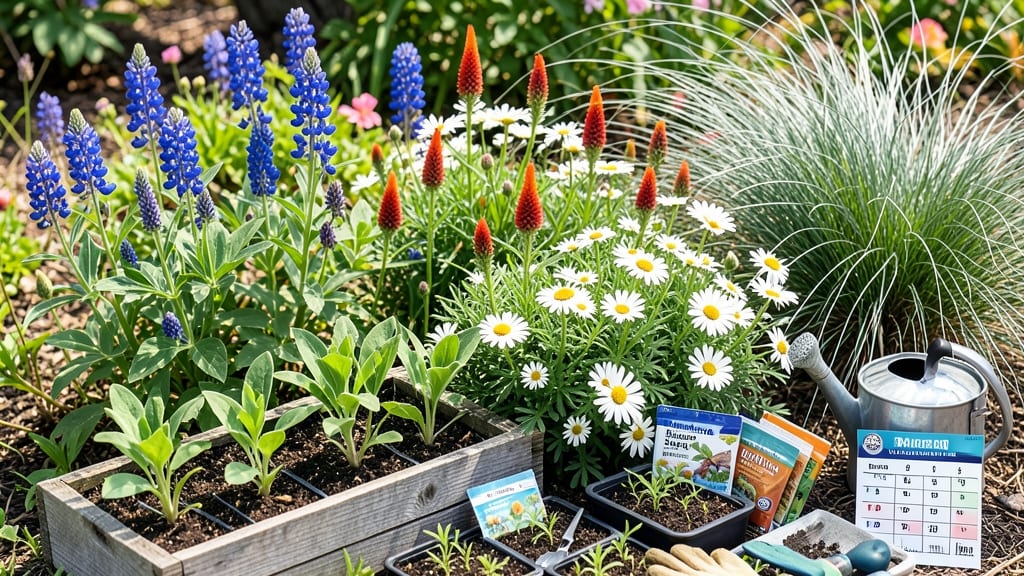
Timing your flowers planting in San Antonio can mean the difference between a garden bursting with color and one that wilts before it even takes root. With scorching summers and unpredictable frost dates, knowing when to plant isn't just helpful—it's essential for success.
San Antonio's USDA Zone 8a climate gives you two prime planting windows: early spring (February-March) and fall (September-November). These periods avoid the brutal heat and give your 🌸 flowers the best chance to establish strong roots before extreme temperatures strike.
But here's the catch: not all flowers thrive in the same season. Some varieties, like lantana and salvia, love the heat and can handle summer planting, while others need cooler temperatures to flourish.
I'll break down the exact months for each type so you can create a garden that blooms beautifully year-round.
Ready to transform your yard into a vibrant oasis? Let's dive into the heat-tolerant varieties that work best in San Antonio and the precise timing that will make your gardening efforts pay off big time.
Best months to plant flowers in San Antonio by season (with heat-zone adjustments)
San Antonio’s USDA Zone 8b/9a climate means your flower garden can thrive year-round—but only if you plant at the right time. The key is avoiding extreme heat (May–September) and late frosts (November–March).
My best advice? Focus on fall planting (September–November) for perennials and early spring (February–March) for annuals to give roots time to establish before summer’s brutal heat.
Fall planting is your secret weapon here. When you plant in September or October, flowers like Lantana and Salvia get a head start on root growth before winter slows things down.
Spring planting should happen by mid-March to avoid the 100°F+ summer months when many young plants wilt within days. Even Bluebonnets (Texas’ state flower) need this timing to naturalize properly.
Here’s the golden rule: Never plant during peak summer (June–August). The soil can hit 120°F in full sun, cooking seeds and seedlings. Instead, use shade cloth or wait for September’s cooler temps to restart your garden. Even drought-tolerant flowers like Blackfoot Daisy struggle when planted too early in summer.
San Antonio Flower Planting Calendar
| Season | Best Planting Months | Flowers to Plant | Critical Prep Step |
|---|---|---|---|
| Spring | February–March | Marigolds, Zinnias, Petunias | Warm soil with black plastic mulch 2 weeks prior |
| Summer | Avoid (too hot) | None (use shade cloth for seedlings) | Direct-seed only in dappled shade |
| Fall | September–November | Lantana, Salvia, Coreopsis | Test soil pH (aim for 6.0–7.0) |
| Winter | December (limited) | Pansies, Snapdragons | Use frost blankets for tender varieties |
Your soil in San Antonio can be a double-edged sword. The caliche layer (limestone bedrock) just below the surface drains water too quickly, while clay soils hold onto moisture like a sponge.
Before planting, amend your soil with 2–3 inches of compost and consider raised beds if your yard is heavy clay. This improves drainage while retaining enough moisture for roots.
For annual flowers, direct-sow seeds in late February for spring blooms or late August for fall color. Transplants (like Geraniums) handle the heat better than seeds, so buy them from local nurseries in March or September when they’re already hardened off.
Pro move: Ask for heat-tolerant varieties—they’ve been bred to survive San Antonio’s summers.
Don’t forget about mulching! A 2–3 inch layer of mulch (like pine straw or wood chips) keeps roots cool in summer and warm in winter. I use straw mulch around my Lantana bushes because it breaks down slowly and adds organic matter.
Just avoid piling mulch against plant stems to prevent rot.
If you’re planting perennials, focus on September to give them time to establish before winter. Many perennials (like Blackfoot Daisy) bloom in spring and fall, so fall planting ensures they’re ready to shine when temps drop.
For bulbs like Daffodils, plant in November—they’ll naturalize and multiply over years.
One final tip: Monitor your local frost dates. While San Antonio rarely gets hard freezes, light frosts can still damage tender flowers. Use a frost blanket or row cover in December–February if you’re growing Pansies or Violas. These work wonders for extending your blooming season into winter.
Timing your plantings this way means fewer wilting plants, longer bloom seasons, and a garden that thrives even when San Antonio hits 105°F. Start with these months, and your flowers will repay you with color all year long. 🌸
Best months to plant flowers in San Antonio by season (with heat-zone adjustments)
San Antonio’s USDA Zone 8b-9a climate demands precise timing for flower planting—too early, and your plants wilt in summer heat; too late, and frost catches them off guard.
The ideal planting window spans September through November for fall blooms and February to March for spring, aligning with soil temperatures and rainfall patterns. This schedule ensures roots establish before extreme heat or cold sets in.
For annuals like zinnias or marigolds, aim for late February to early March—when soil warms to 60°F+—to avoid transplant shock. Perennials like blackfoot daisies thrive when planted in September or October, giving roots time to anchor before winter dormancy.
Always check last-frost dates (Nov 15–Mar 15) to adjust timing for your microclimate.
🌱 PRO TIP: Use a soil thermometer to confirm 60°F+ soil temps before planting—cold soil slows root growth and invites rot. In San Antonio’s clay-heavy soil, amend with compost or sand to improve drainage and moisture retention.
Timing isn’t just about months—it’s about temperature cues. For example, bluebonnets (Texas’ state flower) need cool soil temps (50–60°F) to germinate, so plant seeds in late September for spring blooms. Conversely, lantana, a heat lover, can handle transplanting in May if you start it indoors in March.
Watering strategies shift with seasons too. After planting in spring or fall, water deeply every 3–5 days to encourage root growth, but reduce to every 7–10 days in winter. Use drip irrigation to avoid fungal diseases from overhead watering during San Antonio’s humid summers.
San Antonio’s unpredictable weather means flexibility is key. If a late frost hits in March, delay planting tender annuals like cosmos until mid-April. For perennials, September planting gives them a head start before winter rains arrive. Always monitor your local weather forecasts and adjust your schedule accordingly.