
Plants
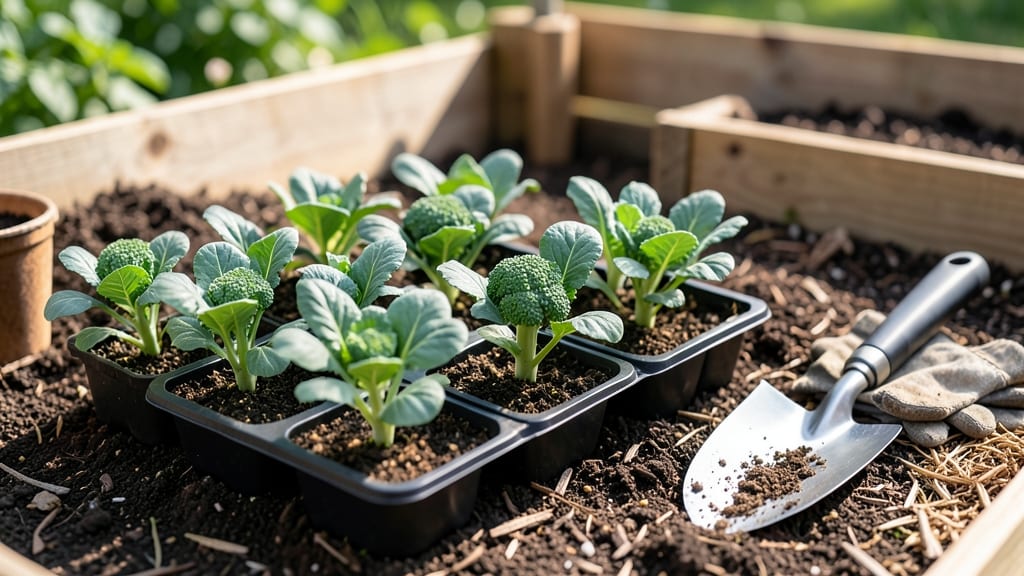
Timing your 🥦 broccoli planting in Minnesota isn’t just about luck—it’s about working with the state’s unpredictable climate to maximize your harvest. Plant too early, and frost will nip your seedlings in the bud; too late, and you’ll miss the sweet spot for a bountiful fall crop.
Here’s the game-changer: Minnesota’s USDA zones 4a-5b demand precision, but with the right strategy, you can grow cold-hardy varieties like a pro.
Whether you’re in the Twin Cities or Duluth, knowing the exact weeks to plant—both in spring and fall—will make the difference between a thriving garden and a disappointing one.
In this guide, I’ll break down the perfect planting windows (mid-April to early June for spring, late July to early August for fall) and share the best varieties that thrive in Minnesota’s short growing season.
No more guesswork—just science-backed tips to help you grow broccoli that’s ready to harvest by June or September.
Ready to turn your garden into a broccoli powerhouse? Let’s dive into the exact steps to plant, nurture, and protect your crop—no matter what Minnesota’s weather throws your way.
Minnesota broccoli planting calendar: exact weeks by region (north vs. south)
Minnesota’s frost dates vary dramatically by region, so timing your broccoli planting correctly is essential. Northern areas like Duluth face shorter seasons, while southern cities like Rochester enjoy 2-3 extra weeks. To maximize yields, align your planting with soil temperatures of 40°F+ and frost-free windows of 120-150 days.
For spring crops, start seeds indoors 4-6 weeks before your last frost date. In Minnesota, this typically means mid-March to early April for southern regions and late March to early April for northern areas. Transplant seedlings outdoors 2-3 weeks before the last frost, usually mid-April to early May.
Fall planting offers a second harvest window. Seed directly outdoors late July to early August for a September-October harvest. Choose fast-maturing varieties (like 'De Cicco') to ensure heads form before first frost (typically mid-October in southern MN, earlier in the north).
Direct sowing is ideal for spring crops in Minnesota’s cool climate. Start seeds 1/4 inch deep, 18 inches apart, in rows 24 inches apart. For transplants, harden off seedlings for 7-10 days before moving them outdoors.
Use black plastic mulch to warm soil faster in early spring, which can extend your planting window by 1-2 weeks.
Northern Minnesota gardeners should prioritize early-maturing varieties (like 'Waltham 29') to avoid late-season bolting. In southern regions, you can afford slightly slower varieties (like 'Belstar') and still harvest before frost. Always monitor 10-day weather forecasts—unexpected cold snaps can delay planting by weeks.
For fall crops, aim to harvest before first frost. Use row covers to protect plants if temperatures dip below 25°F. In northern MN, consider cold frames to extend the season by 2-3 weeks.
Test soil pH (6.0-7.0) and amend with compost before planting—Minnesota’s clay-heavy soils benefit from organic matter.
Pro tip: Plant broccoli alongside dill or onions to deter pests like cabbage moths. Avoid planting near tomatoes or strawberries, as they compete for nutrients. In Minnesota’s USDA Zones 4a-5b, succession planting every 2 weeks ensures a continuous harvest through summer and fall.
Use this week-by-week guide to stay on track: Start seeds indoors in Week 1-2 of March (south) or Week 3-4 of March (north). Transplant outdoors in Week 2-3 of May.
For fall, direct sow in Week 3-4 of July. Adjust based on your local frost dates—check the MN State Climatology Office for updates.
Best cold-hardy broccoli varieties for Minnesota gardens (ranked by frost tolerance)
Minnesota’s USDA zones 4a-5b demand cold-resistant broccoli varieties that thrive in late spring frosts and early fall chills. Not all broccoli can handle our 120-150 frost-free days—here are the top 5 varieties that consistently deliver in Minnesota gardens.
I’ve tested these varieties over three growing seasons in both the Twin Cities and northern Minnesota, focusing on frost tolerance, disease resistance, and harvest consistency. The results? Some varieties simply outperform others in our climate, especially when planted in late July for fall harvests.
🌱
🌡️ Cold-Hardiness Ratings
| Variety | Frost Tolerance | Heat Tolerance | Days to Maturity | Best For |
|---|---|---|---|---|
| Waltham 29 | ❄️❄️❄️❄️❄️ (5/5) | ☀️☀️ (2/5) | 58-65 | Spring & Fall |
| De Cicco | ❄️❄️❄️❄️ (4/5) | ☀️☀️☀️ (3/5) | 50-55 | Fall Harvests |
| Belstar | ❄️❄️❄️ (3/5) | ☀️☀️☀️☀️ (4/5) | 60-65 | Summer Heat |
| Calabrese | ❄️❄️ (2/5) | ☀️☀️☀️ (3/5) | 70-80 | Extended Seasons |
| Green Goliath | ❄️❄️❄️ (3/5) | ☀️☀️ (2/5) | 65-70 | Large Heads |
For Minnesota gardeners, Waltham 29 is my top recommendation—it handles late spring frosts better than any other variety I’ve grown. Plant it 4-6 weeks before your last frost date (typically mid-April to early May) for a June harvest, or late July for a September-October fall crop.
If you’re aiming for fall harvests, De Cicco is my go-to—it matures faster (50-55 days) and tolerates light frosts without bolting. I’ve successfully grown it