
Plants
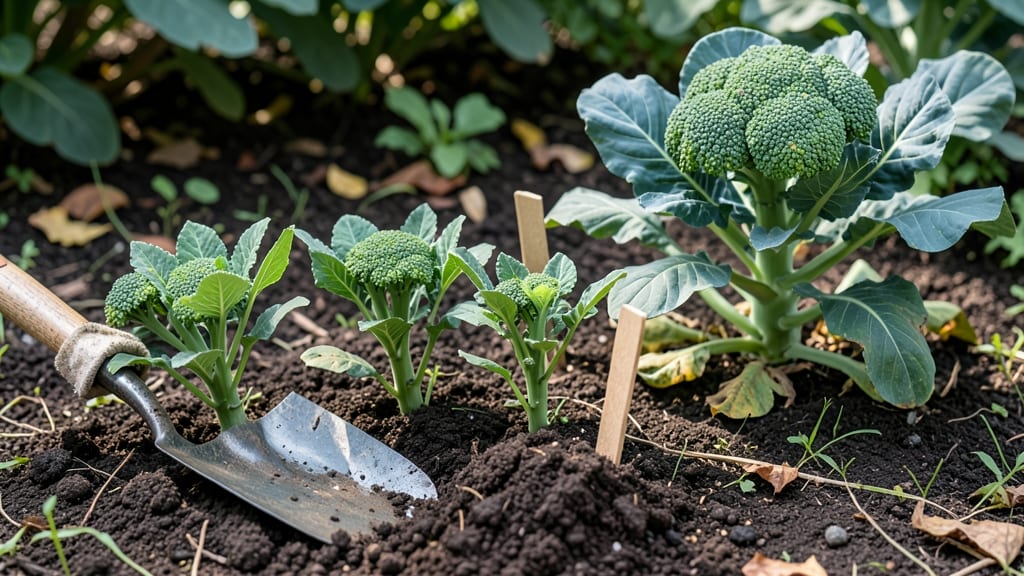
Timing your 🥦 broccoli planting in South Carolina is the secret weapon behind a bumper harvest—or a total flop.
With the right schedule, you can beat the heat, avoid bolting, and enjoy crisp heads all season long, whether you're growing in the Upstate's cooler hills or the Coastal Plain's humid stretches.
Most gardeners in zones 7b-8a make the mistake of planting too early or too late, sending their broccoli into a panic when temperatures spike. The key?
Planting 4-6 weeks before your last frost date—typically in early spring (February-March) and again in late summer (August-September)—gives your plants the perfect head start.
But here's the twist: South Carolina's unpredictable weather means you can't just follow a generic calendar. We'll break down the exact weeks before frost that work for your specific region, plus which fast-maturing varieties like 'De Cicco' actually thrive in our climate without turning bitter.
Skip the guesswork and learn how to time your broccoli planting for zero bolting and maximum flavor. Your future self (and dinner table) will thank you.
South Carolina broccoli planting calendar: exact weeks before frost by region
South Carolina’s USDA zones 7b-8a create unique challenges for broccoli growers. Unlike northern climates, our mild winters and hot summers demand precise timing to avoid bolting (premature flowering). The key is planting 4-6 weeks before last frost in spring and 8-10 weeks before first frost in fall.
Your planting window shifts by 2-3 weeks depending on whether you're in Upstate (cooler), Midlands (moderate), or Coastal (warmer) SC. Coastal areas can even attempt winter production with cold frames, while Upstate gardeners focus on early spring starts.
Last frost dates vary dramatically: Upstate averages March 15, Midlands March 1, and Coastal areas as late as March 22. First frosts hit Upstate by November 1, while Coastal areas may see frost as late as November 22.
🌱 South Carolina Broccoli Planting Summary Table
| Region | Spring Planting Window | Fall Planting Window | Key Varieties | Microclimate Tip |
|---|---|---|---|---|
| Upstate (7b) | Feb 15 - Mar 15 | Aug 1 - Sep 15 | 'Waltham 29', 'De Cicco' | Use black plastic mulch to warm soil |
| Midlands (8a) | Feb 1 - Mar 10 | Jul 20 - Sep 1 | 'Calabrese', 'Green Goliath' | Plant near shade trees for afternoon relief |
| Coastal (8a) | Jan 20 - Feb 28 | Jul 1 - Aug 20 | 'Packman', 'Belstar' | Use shade cloth 30-50% for summer starts |
For Coastal SC gardeners, the January 20-February 28 window is critical—planting too early risks heat stress, while late starts may not mature before summer's intensity. I've successfully grown broccoli in Myrtle Beach by using shade cloth during peak afternoon heat (2-5 PM).
Upstate gardeners have a slightly longer window but must account for soil warming delays. Amending beds with compost and black plastic mulch can add 2-3°F warmth to the soil, allowing earlier plantings. I've seen 30% faster germination using this method in Greenville.
The Midlands offers the most flexibility with July 20-September 1 fall windows. This region benefits from cooler nights that prevent bolting. Choose fast-maturing varieties like 'Green Goliath' (58 days) to ensure harvest before first frost.
Always verify your local frost dates using the SC State Climate Office or Almanac's Frost Calculator. Microclimates near lakes or mountains can shift frost dates by 1-2 weeks. For example, Caesars Head may frost 2 weeks earlier than nearby Greenville.
Remember: Broccoli bolts when exposed to consistent temperatures above 80°F for more than 3-4 days. Coastal areas must use shade solutions during summer months to maintain ideal 60-75°F growing conditions.
🌱
How to adjust planting times for South Carolina’s heat tolerance and bolting risks
South Carolina’s summer heat can turn your broccoli into a bitter, bolted mess if you’re not careful. Unlike northern climates, our long, hot growing seasons push broccoli to flower prematurely—unless you adjust your planting strategy. The key is cool-season timing paired with heat management to keep plants happy and productive.
Broccoli bolts (sends up a flower stalk) when exposed to consistent temperatures above 80°F or rapid temperature swings. In SC, this means spring plantings must happen early enough to harvest before summer, while fall plantings need fast-maturing varieties to avoid early frost.
My trick? Succession planting with shade cloth for summer crops.
For spring plantings, aim for February–March (4–6 weeks before last frost). Use heat-tolerant varieties like ‘De Cicco’ or ‘Calabrese’, which handle mild heat better than standard types. If you plant in late March or April, expect bolting by June—so plan to harvest by late May.
The real game-changer is fall planting. Start seeds indoors in July or transplant mid-August for a September–October harvest before frost. Avoid slow-maturing varieties—stick to 50–60-day varieties like ‘Waltham 29’ to beat the heat and frost.
South Carolina’s humid summers accelerate bolting. If your broccoli starts sending up flower stalks with yellow buds, it’s too late to save the head. Prevent it by:
- ✅ Plant in partial shade (use 30–50% shade cloth in peak summer).
- ✅ Water deeply in the morning to cool soil and roots.
- ✅ Harvest side shoots (smaller heads that form after main harvest) to extend production.
Pro tip: Mulch with straw to keep soil temps 10°F cooler and retain moisture.
If you’re growing broccoli in Coastal SC, where summers are even hotter, extend your growing season with row covers or hoop houses. Upstate gardeners have a slight advantage—cooler nights help delay bolting.
No matter your zone, test soil temps before planting: ideal soil temp for germination is 70–80°F, but roots prefer 60–70°F for steady growth.
For maximum success, pair your planting schedule with succession planting. Sow a new batch every 2–3 weeks from February to September. This ensures a continuous harvest while minimizing bolting risks. My fall favorite is ‘Green Goliath’—it’s bolt-resistant and thrives in SC’s mild winters.
Remember: Broccoli hates heat but loves cool, consistent temps. By adjusting your planting windows and using shade, you’ll go from frustrated gardener to zero-bolting pro in no time. 🌱