
Plants
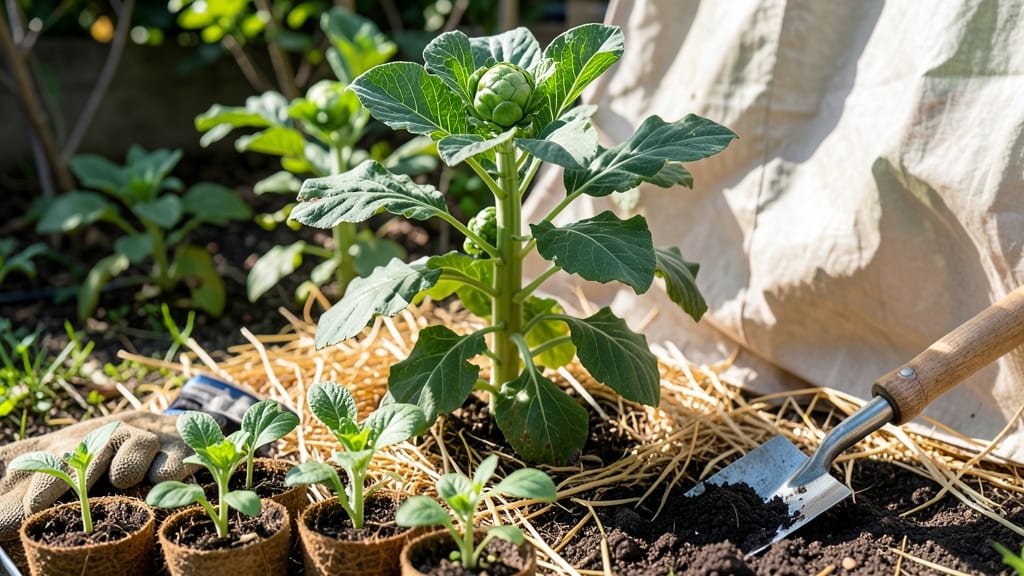
Planting Brussel sprouts in Colorado isn’t just about dropping seeds in the dirt—it’s about mastering the timing to outsmart the state’s unpredictable swings from frost to 100-degree days. Get it wrong, and you’ll either watch your crop freeze before harvest or scramble to replant when summer heat arrives.
The key lies in knowing exactly when to start seeds indoors or transplant seedlings, depending on whether you’re aiming for a fall harvest or pushing your luck with a winter crop.
Colorado’s diverse USDA zones 5-8 mean your neighbors might be harvesting while you’re still waiting for soil to warm—or vice versa.
In Denver’s 5b-6a, for example, mid-March to mid-July is your spring window, but if you’re in Grand Junction’s 6b-7a, you’ve got a few extra weeks to play with. The secret?
Start seeds indoors 8-10 weeks before your first frost date, then transplant when soil hits 45°F—just as the 🥦 plants are ready to stretch their legs outdoors.
But here’s the twist: Colorado’s high-altitude gardens demand more than just dates. Whether you’re in the Front Range or Western Slope, late-season hail or early snow can derail even the best-laid plans.
That’s why I’ll break down exact planting windows, the best cold-hardy varieties for your region, and how to stretch your harvest season with simple tricks—so you’re not left with a garden full of empty stalks by November.
Ready to grow Brussel sprouts that thrive in Colorado’s climate? Let’s dive into the precise steps, from seed to harvest, so you can enjoy homegrown sprouts that outlast the first frost and put store-bought to shame.
Best planting dates for brussel sprouts in Colorado by region
Colorado’s diverse climate means your planting timeline depends heavily on region and elevation. The Front Range (Denver, Colorado Springs) has a 100-120 day growing season, while the Western Slope (Grand Junction) enjoys 140-160 frost-free days.
Timing your brussel sprouts correctly ensures you avoid early frost damage while maximizing harvest potential.
For spring planting, aim to transplant seedlings or direct sow 4-6 weeks before your last frost date. In Denver (Zone 5b-6a), this means mid-April to early May. In Grand Junction (Zone 6b-7a), you can start as early as late March.
Fall planting requires 8-10 weeks before first frost, typically late July to early August for most regions.
Direct sowing is ideal for Colorado gardens because it hardens seedlings naturally. Start seeds indoors 6-8 weeks before transplanting if you prefer this method. Use biodegradable pots to minimize transplant shock when moving seedlings outdoors.
High-altitude areas (above 7,000 feet) like Steamboat Springs or Leadville need earlier starts. Plant transplants by mid-May for a fall harvest, as the growing season shrinks significantly. Always check your local frost dates—the USDA’s Plant Hardiness Zone Map is a great starting point, but microclimates vary wildly in Colorado.
Here’s a quick regional breakdown to guide your planting schedule:
Colorado’s variable weather means you should always have a backup plan. If spring arrives late, opt for transplants instead of direct sowing to avoid stunted growth.
For fall planting, use row covers to extend the season by 2-4 weeks—this is especially critical in higher elevations where frost can strike early.
Soil temperature is another critical factor. Brussel sprouts thrive when soil is at least 45°F (7°C). Use a soil thermometer to confirm readiness—cold soil can delay germination by weeks. In cooler regions, consider black plastic mulch to warm the soil faster and create a more consistent growing environment.
Pro tip: Succession planting works wonders in Colorado. Sow a second batch 4-6 weeks after your initial planting to ensure a continuous harvest. This is particularly useful for fall crops, where staggered plantings can prevent a glut of brussel sprouts all at once.
Finally, monitor your plants closely as they mature. Brussel sprouts need consistent moisture—especially during the 60-90 days to maturity. Drought stress can lead to bitter-tasting sprouts or even bolting. Use drip irrigation to deliver water directly to the roots and conserve moisture.
With the right timing and a little regional adjustment, you’ll be harvesting homegrown brussel sprouts from your Colorado garden by late fall—just in time for holiday feasts! 🥦
Best planting dates for brussel sprouts in Colorado by region
Colorado’s diverse climate—from the high-altitude Front Range to the warmer Western Slope—means brussel sprouts planting dates vary dramatically. For Denver (Zone 5b-6a), aim for mid-March to mid-July for spring planting, while Grand Junction (Zone 6b-7a) can start as early as late February.
Fall planting works too: late July to early September ensures harvest before the first frost, which hits Denver around October 31 and Grand Junction by November 15.
Timing is critical because brussel sprouts need 80–120 days to mature. Plant too late, and your crop won’t ripen before frost. Too early, and seedlings may rot in cold, wet soil.
The key is aligning your planting window with soil temperatures of 45–50°F—ideal for seed germination—and avoiding late spring frosts, which can still hit in May.
Here’s how to adjust planting dates based on your Colorado region:
For high-altitude gardens (above 7,000 ft), like those near Boulder or Aspen, extend your spring planting window by 2–3 weeks later to avoid frost. Use row covers or cold frames to protect seedlings if planting early.
In Zone 7 areas (e.g., Grand Junction), you can even try a summer-fall planting for a winter harvest—just plant in mid-July and harvest in March.
Transplanting seedlings is another strategy for Colorado growers. Start seeds indoors 6–8 weeks before your last frost date, then move them outdoors once soil warms to 50°F. Harden off seedlings by exposing them to outdoor conditions for 1–2 weeks before transplanting.
This method gives you more control over timing and reduces the risk of seedling diseases common in Colorado’s variable spring weather.
Pro tip: Use a planting calendar to track your local frost dates and adjust accordingly. For example, if your area has a late frost in May, wait until after May 15 to plant outdoors.
And always choose cold-hardy varieties like ‘Long Island Improved’ or ‘Ruby Ball’—they’ll tolerate Colorado’s cool nights and unpredictable weather better than delicate hybrids.
Finally, monitor your garden closely in late September and October. If a hard freeze is forecasted, harvest any mature sprouts immediately or cover plants with straw mulch to insulate them. With the right timing, you can enjoy homegrown brussel sprouts straight from your Colorado garden well into fall! 🥦