
Plants
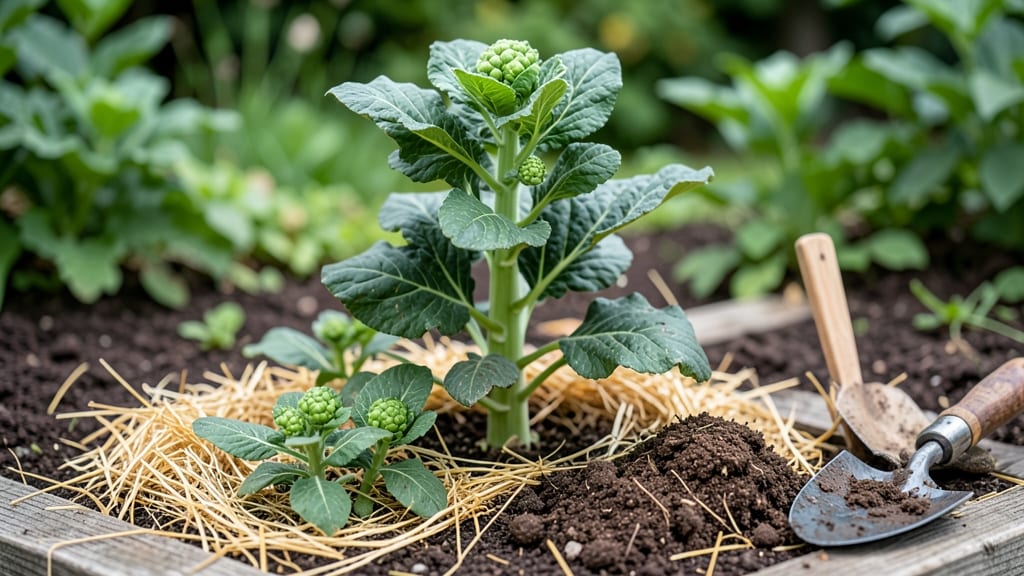
If you’ve ever wondered when to plant brussel sprouts in Kansas to avoid bitter, bolted disappointment instead of sweet harvests, timing is the answer—and Kansas gardeners have a narrow window to get it right.
Planting these cool-weather crops too early exposes them to Kansas’ unpredictable spring frosts, while waiting too long risks summer heat stress. The key? Start transplants between mid-March and early April or sow seeds directly in late July for a fall harvest, aligning with USDA Zone 6a’s frost dates.
I’ll walk you through the exact deadlines—including how to adjust for Wichita’s heat pockets or Kansas City’s cooler microclimates—to ensure your sprouts mature perfectly by October. No more wasted efforts, just zero-bolt, flavorful harvests.
Ready to master the art of Kansas brussel sprout timing? Let’s break down the science-backed schedule that’ll have your garden thriving when others fail.
Optimal planting windows for zero-bolt brussel sprouts in Kansas
Kansas’ USDA Zone 6 climate offers two prime windows for growing Brussel sprouts—spring and fall—with fall being the most reliable for zero-bolt harvests. The key is timing your plants to mature before the first frost (typically October 15) while avoiding summer heat that triggers bitter bolts.
Let’s break down the exact windows and methods for your Kansas garden.
For spring transplants, aim to plant between mid-March and early April, giving you a harvest window from June to July. However, summer heat often causes bitter flavors and premature bolting, so many gardeners skip this window entirely.
The real sweet spot? Fall planting for a cool-season harvest that aligns perfectly with Kansas’ climate.
Here’s the golden rule: Start seeds 8-10 weeks before your last frost date (around June 15) or transplant 4-6 weeks before the first frost (around mid-August to early September). This ensures your plants mature just as temperatures dip, delivering sweet, tender sprouts in October and November.
| Planting Method | Best Timeframe | Harvest Window | Kansas-Specific Notes |
|---|---|---|---|
| Direct Sow (Fall) | Late July to early August | October to November | Ideal for Zone 6; avoids summer heat |
| Transplant (Fall) | Mid-August to early September | October to November | Best for late starters; hardier plants |
| Direct Sow (Spring) | Mid-March to early April | June to July | Risk of bolting; not recommended |
| Transplant (Spring) | Early April | June to July | Use shade cloth to prevent bolting |
If you’re growing in Wichita or western Kansas, where summers are hotter and drier, prioritize fall planting and use row covers to extend your season.
In Kansas City or eastern Kansas, you have a slightly longer window for spring transplants, but even there, fall is the safer bet for sweet, bolt-free sprouts.
For direct sowing, scatter seeds ¼-inch deep in well-draining soil with a pH of 6.0–7.0. Thin seedlings to 18–24 inches apart to prevent overcrowding, which invites disease and pests.
If transplanting, choose 6–8 week old seedlings and harden them off for 7–10 days before moving to the garden.
Pro tip: Use a soil thermometer to ensure soil temps are 45–85°F before planting. Cooler soils (below 50°F) slow germination, while hotter soils (above 85°F) trigger bolting. Aim for 60–70°F for optimal growth in Kansas’ climate.
Remember, Brussel sprouts take 90–120 days to mature, so plan accordingly. If you miss the fall window, consider overwintering plants with mulch and row covers for an early spring harvest—though yields may be smaller. The goal is to avoid summer heat at all costs!
For insurance harvests, sow a second batch in late August. This gives you a backup crop if your first planting struggles with unpredictable Kansas weather. Just be prepared to harvest these later, as they’ll mature closer to the first frost.
🌱
Optimal planting windows for zero-bolt brussel sprouts in Kansas
Kansas gardeners face a critical 6-week window for planting brussel sprouts—either in early spring or late summer—to avoid bitter bolts. The secret lies in aligning your schedule with USDA Zone 6a’s frost dates and soil temperatures, which vary between Wichita’s heat pockets and Kansas City’s cooler microclimates.
For a spring harvest, transplant seedlings between mid-March and early April, when soil temps hit 45°F+. This gives plants 90 days to mature before summer heat stresses them. Meanwhile, late July to early August is your fall planting window—sowing seeds directly for harvests in October-November.
Here’s the breakdown of your Kansas-specific planting timeline, including adjustments for regional differences:
| Planting Method | Kansas City Window | Wichita Window | Key Adjustment |
|---|---|---|---|
| Transplants (Spring) | Mid-March to April 1 | Late March to April 10 | Wait 1 week longer in Wichita to avoid frost |
| Direct Sow (Fall) | July 25–August 5 | August 1–10 | Wichita’s heat delays germination; use row covers |
| Soil Temp Threshold | 45°F (7°C) | 45°F (7°C) | Monitor with a soil thermometer; wait for consistency |
| Harvest Window | October 15–November 10 | October 20–November 15 | Wichita’s later frost extends harvest by 2 weeks |
Pro tip: Use row covers if planting in late July to protect seedlings from Wichita’s 90°F+ heatwaves. Remove covers once sprouts reach 6 inches tall to harden them for frost.
For insurance harvests, sow a second batch in late August—this “backup” crop often outperforms the first in Kansas’ variable autumns. Just be ready to harvest by November 1 before hard frosts set in.
Timing isn’t just about dates—it’s about soil readiness. Test your soil’s pH (6.0–7.0) and amend with compost before planting. Clay-heavy Kansas soils benefit from gypsum to improve drainage, ensuring roots stay cool and sprouts stay sweet.