
Plants
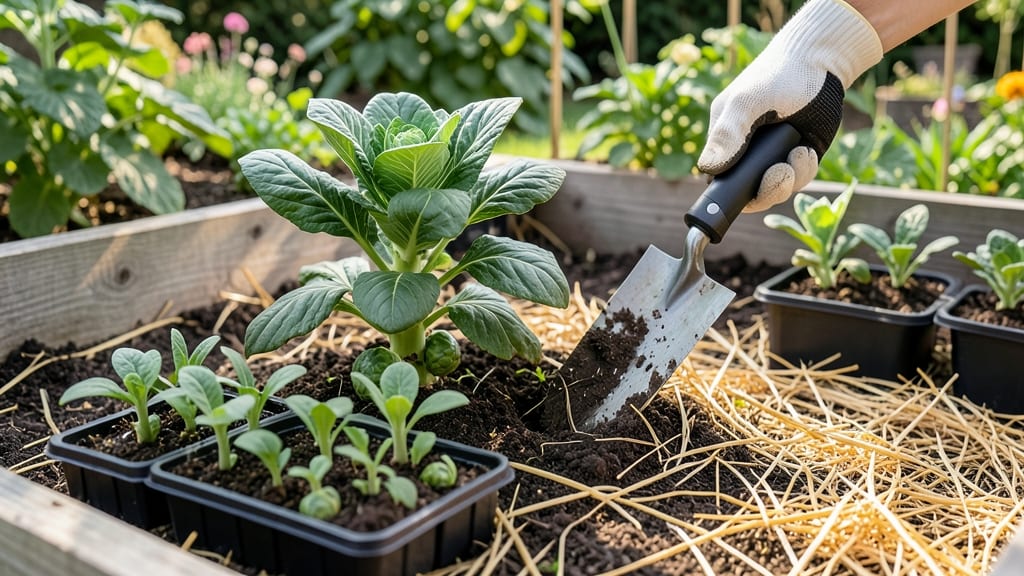
Timing your Brussel sprouts planting in Oklahoma isn’t just about the calendar—it’s about dodging bitter bolts and frost damage that can ruin your harvest. With Oklahoma’s 6b–8a zones and unpredictable weather, getting the window right means the difference between sweet, compact 🥦 and wasted effort.
Most gardeners here know spring planting is a gamble, but fall is where Brussel sprouts truly shine. Planting between late July and early August gives them 80–90 days of ideal growing weather before the first frost hits around November 15.
This isn’t just theory—it’s what works for central Oklahoma’s 7a zone, where I’ve tested these timelines for years.
Why does this matter? Because planting too early triggers bolting (those unwanted flower stalks), and too late means stunted growth. I’ll break down the exact frost-free window, soil prep tricks, and even how to push your season earlier or later without risking failure. Let’s get those 🥦 thriving.
Skip the guesswork—this guide gives you the precise months, soil tips, and variety choices to maximize your harvest. Whether you’re a first-time gardener or a veteran, these insights will help you avoid common pitfalls and grow Brussel sprouts that taste like a homegrown victory.
Oklahoma’s ideal planting months for Brussel sprouts: avoiding bolting and frost damage
Brussel sprouts love Oklahoma’s mild winters and long growing season, but timing is everything. Plant too early, and you’ll risk bolting (bitter sprouts). Plant too late, and frost will ruin your harvest.
The perfect window is a 6-week frost-free period, which in Oklahoma means late July to early August for fall harvests.
Oklahoma spans USDA zones 6b–8a, so your exact timing depends on your region. Central Oklahoma (zone 7a) has the most predictable schedule, while northern areas (zone 6b) may need adjustments.
The key is to plant 8–10 weeks before your first frost date, which typically falls between November 1–15 in most areas.
🌱Pro Tip: Use your average first frost date (check your local Almanac) and count backward. For example, if frost hits November 10, aim to plant by September 1–15 for a fall harvest.
🌱 Brussel Sprout Planting Summary for Oklahoma
| Season | Planting Window | First Frost Buffer | Harvest Window |
|---|---|---|---|
| Spring | Mid-March to early April | 8–10 weeks before last frost (March 15) | October–December |
| Fall | Late July to early August | 8–10 weeks before first frost (Nov 1–15) | October–December |
| Extended Fall | Early September (with protection) | 6–8 weeks before frost | November–December |
💡 Note: Southern Oklahoma (zone 8a) can push planting to early September for late harvests.
Oklahoma’s summer heat (especially in July–August) can stress brussel sprouts, so avoid planting in peak heat. Instead, opt for late July when temperatures start to dip.
If you’re in northern Oklahoma (zone 6b), you might also try a spring planting in early April for a summer harvest, but this requires consistent watering to prevent bolting.
Soil temperature matters too. Brussel sprouts thrive when soil is between 45°F–85°F. In Oklahoma, this means waiting until after May 15 for spring plantings or ensuring evening shade in July. Use a soil thermometer to check—plant when temps are stable above 50°F.
🌿Warning: Planting in June or early July risks heat stress, leading to stunted growth or bolting. If you miss the ideal window, consider container growing to control soil temperature.
For fall harvests, prioritize late July–early August plantings. This gives sprouts enough time to mature before frost. In central Oklahoma, aim for August 1–15 to align with the 210-day frost-free season. Northern regions should plant by August 1 to avoid early frosts.
📅Regional Adjustments: Check your local coop extension office for precise frost dates. For example, Tulsa (zone 7a) has a later frost than Oklahoma City (zone 7b), so adjust your timeline accordingly.
Once planted, brussel sprouts need 6+ hours of sun daily and consistent moisture. In Oklahoma’s dry spells (common in August–September), mulch heavily to retain moisture and prevent bolting. With the right timing, you’ll harvest sweet, compact sprouts from October through December.
How to extend your growing season: cold-hardy varieties and protective hacks for Oklahoma gardeners
Oklahoma’s short growing season doesn’t mean you’re stuck with just one harvest window for Brussel sprouts. With the right cold-hardy varieties and protective strategies, you can safely plant as early as May or as late as September—without risking bolting or frost damage.
The key is choosing varieties that tolerate cooler temps and using tools like row covers to shield young plants.
For early spring plantings, opt for varieties like ‘Long Island Improved’ or ‘Ruby Ball’, which handle 40°F soil temps without stress. These varieties mature faster (80–90 days) and produce sweeter sprouts when grown in cooler weather.
Pair them with black plastic mulch to warm the soil faster and floating row covers to protect against late frosts.
- Longer harvest window for fresh sprouts
- Sweeter flavor in cooler weather
- Reduced bolting risk with shade cloth
- Higher maintenance with row covers
- Slower growth in early spring
- Limited variety choices for cold tolerance
If you’re aiming for a late-summer harvest, plant in late July or early August to ensure sprouts mature before the first frost (November 15 in central Oklahoma). Use straw mulch around the base of plants to insulate roots and lightweight frost blankets on chilly nights.
Avoid planting after mid-September, as 90°F+ soil temps can stunt growth and trigger bolting.
For emergency frost protection, set up a DIY cold frame using clear plastic sheeting and wooden stakes. This traps heat during the day and radiates it back at night, keeping soil temps 5–10°F warmer than ambient air.
Test your setup on a small batch of seedlings first to ensure it doesn’t overheat plants during Oklahoma’s unpredictable fall weather.
Pro tip: Pair your Brussel sprouts with cool-season companions like kale or carrots to maximize space in your extended-season garden. These plants thrive in the same conditions and can help deter pests like cabbage worms, which love young sprout leaves.
Remember, the goal is to balance risk and reward. While extending your season is possible, it requires vigilance—especially in Oklahoma’s variable microclimates. Start with one test bed of cold-hardy varieties before committing to a full garden expansion.