
Plants
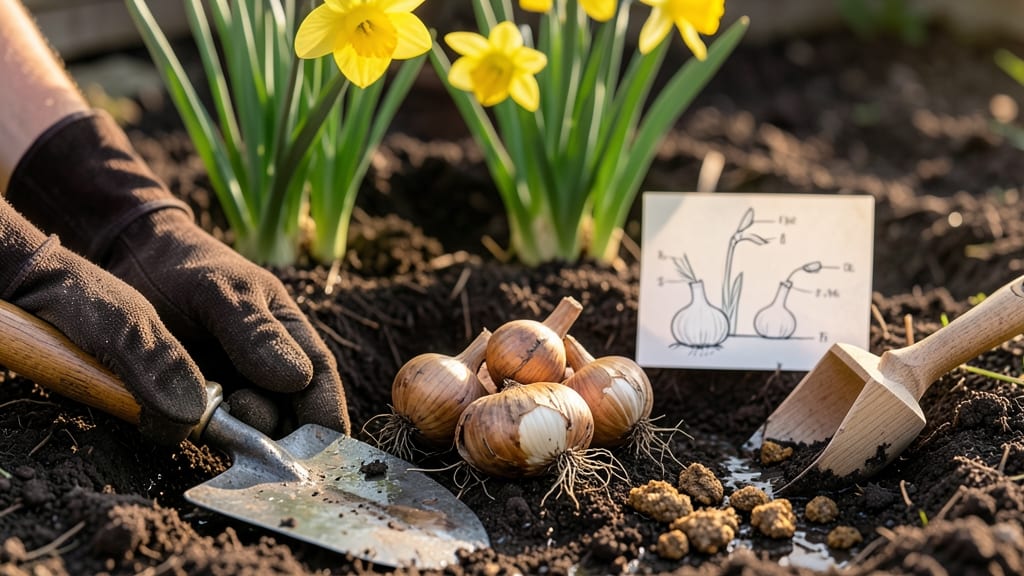
Planting daffodil bulbs in Michigan at the right time means the difference between cheerful spring blooms and a missed opportunity. With Michigan's Zone 5b-6b climate, timing is everything—too early and the bulbs rot, too late and they won’t root before winter.
The secret? A narrow window between late September and mid-November when the soil cools but hasn’t frozen solid.
Why does this matter? Daffodils are one of the first flowers to push through Michigan’s snow, but they need 6 weeks of root growth before the ground freezes. That means if you plant in October, you’ll likely see blooms by April—just in time to brighten up those gray Michigan skies.
And don’t worry about frost; these hardy 🌼 beauties can handle it once established.
I’ve seen gardeners struggle when they plant too early, only to watch their bulbs rot in soggy soil. Or worse, plant too late and get no blooms at all.
The good news? Michigan’s climate gives you a clear 6-week window—if you act now, you can still get your daffodils in the ground before the first hard frost.
In this guide, I’ll walk you through the exact months to plant, the best varieties for Michigan’s winters, and how to prep your soil for success. Let’s get those bulbs in the ground so you can enjoy a burst of color come spring!
Michigan’s best daffodil planting window: frost-proof schedule by month
Timing is everything when planting daffodil bulbs in Michigan’s Zone 5b-6b climate. The ideal planting window runs from late September to mid-November, giving bulbs 6 weeks to establish roots before winter. This frost-proof schedule accounts for Michigan’s early frosts (often by October 20) and ensures vibrant spring blooms.
For best results, aim to plant when soil temperatures drop to 50-60°F—typically October in most of Michigan. Northern regions (like Traverse City) may need to start earlier, while southern areas (like Detroit) can wait until November.
The key is to plant 4-6 weeks before the ground freezes, allowing roots to grow but avoiding frost damage to tender shoots.
Here’s how Michigan’s planting window breaks down by month:
| Month | Soil Temp | Planting Tip | Frost Risk |
|---|---|---|---|
| Late September | 55-65°F | Early planters in Zone 5b | Low |
| October | 50-60°F | Best time for most regions | Moderate |
| Early November | 45-50°F | Last chance in Zone 6b | High |
| December (early) | Below 40°F | Risky; only for early bloomers | Very High |
Planting in October is the sweet spot for Michigan gardeners. By this time, summer heat has passed, and soil remains workable. Use a soil thermometer to confirm temperatures are below 60°F—this signals bulbs to stop leaf growth and focus on root development.
For container gardening, plant in late September to give roots extra time to establish before winter.
If you miss the fall window, spring planting is possible but not recommended. Daffodils planted in spring may bloom earlier but often produce weaker flowers and are more susceptible to pests.
The 6-week rule is critical: bulbs need this time to develop roots before Michigan’s first frost, which can damage tender shoots.
For soil preparation, Michigan’s clay-heavy soils can be improved by amending with compost or sand to ensure proper drainage. Daffodils hate soggy soil, so raised beds or mounded areas work well in wetter regions like the Thumb or Upper Peninsula.
Plant bulbs 6 inches deep and 6 inches apart for optimal growth.
Pro tip: Mark your planting dates on a calendar and adjust based on local frost dates. Check the Michigan State University Extension for your county’s specific frost predictions. In 2023, early October frosts in northern Michigan caught many gardeners off guard—so stay ahead with a frost watch!
Once planted, mulch with 2-3 inches of straw to insulate bulbs and prevent soil heaving during freeze-thaw cycles. This extra layer protects roots and helps daffodils push through snow for early spring blooms—often as early as late March in southern Michigan.
Remember, daffodils are deer-resistant, making them a great choice for Michigan gardens where deer browse is common. Their toxic sap deters most pests, so you won’t need extra protection beyond proper planting timing.
With the right schedule, your daffodils will reward you with cheerful blooms that brighten Michigan’s gray skies.
Michigan’s best daffodil planting window: frost-proof schedule by month
Michigan’s Zone 5b-6b climate gives you a precise 6-week window to plant daffodil bulbs—typically from late September to mid-November. This timing ensures bulbs establish roots before the ground freezes, guaranteeing vibrant spring blooms.
The key is planting when soil temperatures drop below 60°F (15°C) but before the first hard frost, usually around October 20.
Why this window? Daffodils need 6 weeks of root growth before winter dormancy. Planting too early (like August) risks rot in warm, wet soil, while late planting (December+) means bulbs won’t root before freezing.
Michigan’s average first frost hits October 20, so aim to finish planting by November 15 at the latest for best results.
Here’s how to adjust for your specific Michigan location: Southern regions (like Detroit) can plant until mid-November, while northern areas (like Traverse City) should finish by early November. Check your local USDA Zone and track soil temps with a soil thermometer—ideal planting soil is 50–60°F (10–15°C).
| Month | Soil Temp | Planting Window | Notes |
|---|---|---|---|
| Late September | 55–60°F (13–15°C) | Early start (southern MI) | Risk of rot if soil stays warm |
| October | 45–55°F (7–13°C) | Ideal window | Best balance of root growth |
| November | 40–45°F (4–7°C) | Late planting (northern MI) | Must finish before ground freezes |
Pro tip: Use a soil thermometer to confirm temps—plant when they consistently stay below 60°F (15°C). If Michigan’s early frost hits sooner, prioritize northern exposures or raised beds to delay freezing. For extra protection, mulch with 3–4 inches of straw after planting to insulate bulbs.
What if you miss the window? You can plant daffodils in early spring (March–April), but blooms may arrive 2–3 weeks later than fall-planted bulbs. Spring planting is riskier in Michigan’s variable climate, so fall is always the safer bet for reliable spring color.
Remember: Daffodils thrive in Michigan’s cold—they’re one of the first flowers to bloom after snow melt. By planting in this 6-week window, you’ll enjoy cheerful 🌼 blooms that brighten up those long Michigan winters.