
Plants
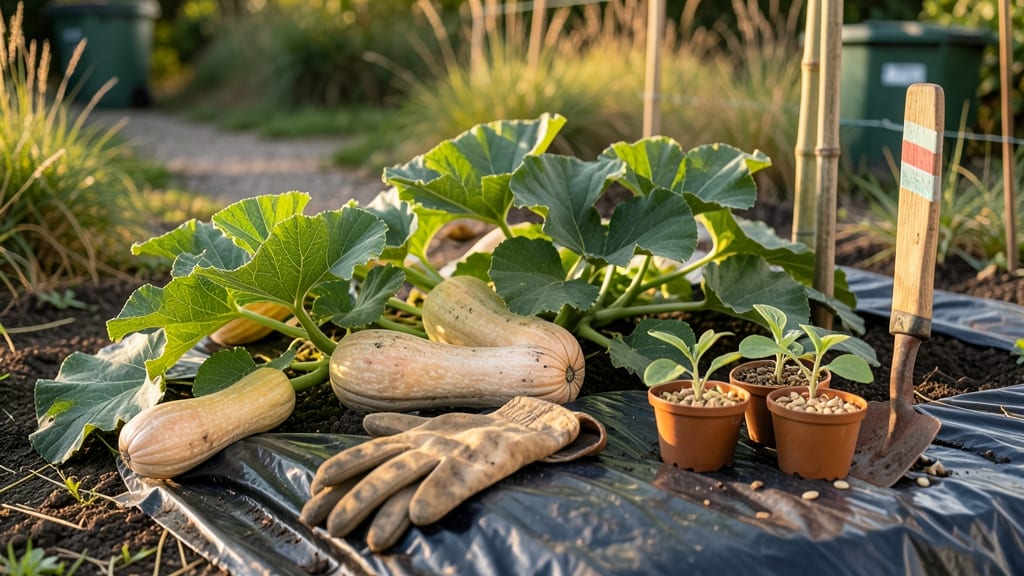
Timing your Butternut Squash 🎃 planting in North Carolina can mean the difference between a bountiful harvest and wasted effort—especially when unpredictable spring frosts lurk around every corner.
Whether you're a seasoned gardener or just starting, getting those seeds in the ground at the right moment is the key to avoiding disappointment and maximizing your yield.
In NC’s 6b-8a zones, the window for planting Butternut Squash is narrow but critical: mid-April to early June after the last frost, or late July for a fall harvest. Miss that mark, and you risk either frost damage to tender seedlings or vines struggling under summer’s blazing heat.
Let me walk you through the exact steps to time your planting perfectly for your specific region—coastal, Piedmont, or mountain.
You’ll discover the ideal soil temperature (60°F+) for germination, how to space your plants for optimal growth, and which heat-tolerant varieties thrive in NC’s climate.
Plus, I’ll share pro tips to avoid common mistakes that even experienced gardeners make—like planting too close to frost dates or ignoring soil pH.
By the end, you’ll have a clear, actionable plan to grow sweet, homegrown Butternut Squash 🎃 that rivals anything you’d buy at the store. Ready to dig in?
Best planting windows for butternut squash in NC’s climate zones
Timing your butternut squash planting in North Carolina depends heavily on your USDA zone and last frost dates. Since NC spans zones 6b through 8a, coastal areas like Wilmington (zone 8a) enjoy a 60-day longer growing season than the mountains (zone 6b).
This means your optimal planting window shifts dramatically—plant too early in the Piedmont, and frost will kill seedlings; too late in the mountains, and vines won’t mature before fall frost.
For direct sowing, aim for soil temperatures above 60°F and 180 frost-free days remaining. In zone 8a (coastal), this means starting seeds mid-April to early May. In zone 6b (mountains), wait until late May to early June to avoid spring frosts.
If you’re transplanting seedlings, adjust your timeline by 2-3 weeks earlier—hardy seedlings can handle slightly cooler soil.
Here’s how to match your region’s last frost dates to the perfect planting window:
| Region | USDA Zone | Last Frost Date | Direct Sow Window | Transplant Window | Soil Temp Requirement |
|---|---|---|---|---|---|
| Coastal (Wilmington) | 8a | Mid-March | Mid-April to early May | Late March to April | ≥60°F |
| Piedmont (Raleigh) | 7a-7b | Early April | Late April to early May | Mid-April | ≥60°F |
| Mountains (Asheville) | 6b | Mid-April | Late May to early June | Early May | ≥65°F |
*Adjust for microclimates (e.g., valleys frost later than peaks).
If you’re aiming for a fall harvest, consider a second planting in late July. This works best in zones 7a and warmer, where vines have 90-110 days to mature before frost.
In cooler zones, stick to one planting and choose early-maturing varieties (like 'Gold Rush', which matures in 85 days).
For container growing, start seeds indoors 4-6 weeks before your region’s last frost date. Use 5-gallon pots with well-draining soil and place them in full sun. Containers warm up faster than garden beds, so monitor soil temperature closely—butternut squash roots need consistent warmth to thrive.
Pro tip: Use black plastic mulch to raise soil temperature 5-10°F faster in cooler zones. This extends your planting window by 1-2 weeks and protects young plants from soil-borne diseases. Just
One common mistake? Waiting until after Memorial Day to plant. By then, summer heat can stress seedlings, and vines may bolt before producing squash. Instead, prioritize soil temperature over calendar dates—use a soil thermometer to confirm 60°F+ before planting.
For NC’s unpredictable weather, I recommend setting a reminder for 2 weeks after your region’s last frost date. Check a local weather app for 5-day forecasts—if nighttime temps drop below 50°F, cover seedlings with frost cloth until they’re established.
Critical mistakes to avoid when planting butternut squash in NC
Planting Butternut Squash 🎃 in North Carolina sounds straightforward, but even experienced gardeners make costly mistakes that can ruin your harvest. The most common? Ignoring frost dates or cramming plants too close together.
Let me show you how to sidestep these pitfalls and set your squash up for success from day one.
First, planting too close to frost is a rookie error. While NC’s last frost typically arrives by mid-April in the Piedmont and early March along the coast, seedlings can’t handle even light frost.
Wait until soil reaches 60°F+—use a soil thermometer to confirm—before sowing. I’ve seen gardeners rush planting in March only to lose everything when a late frost hits.
Another frequent mistake is skipping soil pH testing. Butternut squash thrives in slightly acidic to neutral soil (6.0-6.8). If your soil tests higher or lower, amend it with lime (to raise pH) or sulfur (to lower pH) at least 4-6 weeks before planting.
I once had a patch of squash with stunted growth—turns out the pH was 5.2, and the plants were starving for nutrients.
⚠️ Warning: Common Pitfalls & How to Avoid Them
- Planting too early: Frost kills seedlings. Wait until soil is 60°F+ and nighttime temps stay above 50°F.
- Overcrowding: Space hills 3-4 feet apart to prevent disease and improve airflow.
- Ignoring companion plants: Avoid planting near potatoes or pumpkins—they compete for nutrients.
- Overwatering: Squash roots rot in soggy soil. Water deeply but infrequently (1-2 inches per week).
- Skipping mulch: Without mulch, soil dries out quickly in NC’s heat. Use straw or grass clippings to retain moisture.
Pro Tip: If you’re transplanting seedlings, harden them off for 7-10 days before moving to the garden to avoid transplant shock.
One of my biggest lessons came from overwatering my squash patch. I thought more water meant better growth, but the roots suffocated in wet soil, leading to powdery mildew.
Now, I water deeply in the morning only and let the top inch of soil dry between waterings. This simple shift cut my fungal issues by 90%.
Don’t forget about spacing mistakes. Butternut squash vines spread 5-6 feet wide, so planting them too close leads to tangled vines and poor airflow—perfect conditions for cucumber beetles and squash vine borers.
I recommend creating mounds or hills with 3-4 seeds per hill, spaced 3-4 feet apart. This gives roots room to breathe and makes harvesting easier.
Finally, choosing the wrong variety for your NC region can sabotage your harvest. Some squash varieties wilt in the Piedmont’s summer heat, while others struggle with coastal humidity. Always pick heat-tolerant varieties like ‘Gold Rush’ or ‘Waltham Butternut’—they’re bred to handle NC’s climate.
I’ve grown ‘Butterbush’ in the past, and it just didn’t survive our summer heat.
By avoiding these common mistakes, you’ll give your Butternut Squash 🎃 the best shot at thriving in North Carolina’s unpredictable climate. Next up, I’ll share my top 5 heat-tolerant varieties that consistently deliver sweet, homegrown squash—no matter where you garden in the state.