
Plants
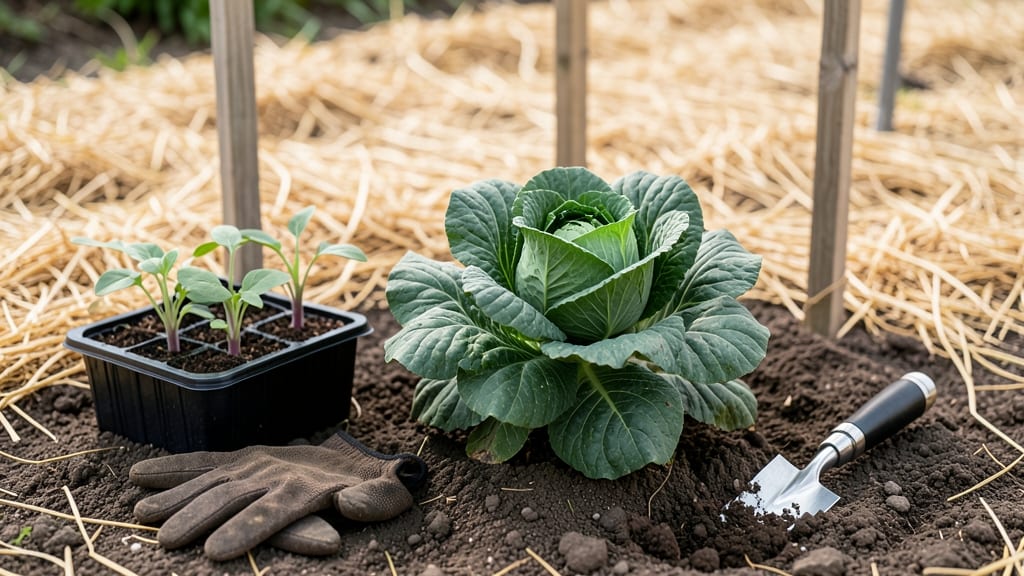
Timing your cabbage planting in Arkansas can mean the difference between a bumper crop and a bitter disappointment—because one wrong move, and your 🥬 heads bolt before you even taste them.
I’ve grown cabbage in Arkansas’ 7a-8b zones for years, and the key isn’t just when you plant—it’s understanding how Arkansas’ unpredictable spring frost and sweltering summer heat force you to work with two tight windows: February-March for spring and July-August for fall.
Miss the 40–50°F soil temperature sweet spot, and your seedlings either rot or bolt. But here’s the good news: with the right schedule, you can stretch your harvest from May-June to October-November—even in Arkansas’ humidity.
Let me walk you through the exact frost-date breakdown, variety picks, and pro tips to outsmart Arkansas’ climate and grow cabbage that’s sweet, crisp, and ready to harvest—no guesswork required.
Arkansas cabbage planting schedule by frost dates: avoid bolting and frost
Arkansas's USDA zones 7a–8b create a unique challenge for cabbage growers—short growing seasons and unpredictable frost dates demand precision. The last spring frost typically hits around March 15, while the first fall frost arrives by November 15.
Planting outside these windows risks frost damage or bolting (premature flowering), turning your sweet cabbage into bitter, seed-filled heads.
To maximize your harvest, focus on two planting windows: early spring (February–March) and late summer/fall (July–August). Spring cabbage thrives with cooler temps, while fall varieties tolerate Arkansas's humidity and heat better when planted early enough to mature before frost.
Let’s break down the exact timing for each zone and variety.
📌 Key Rule: Cabbage needs 60–80 days to mature, so calculate backward from your average first frost date. For example, if frost hits November 15, plant by August 15 for a fall harvest.
| Planting Window | USDA Zones | Soil Temp | Key Tips |
|---|---|---|---|
| February–March (Spring) | 7a–8b | 40–50°F | Start seeds indoors 4–6 weeks before last frost. Use row covers for early protection. |
| July–August (Fall) | 7a–8b | 50–60°F | Plant 6–8 weeks before first frost. Choose heat-tolerant varieties like ‘Golden Acre’. |
| September (Late Fall) | 7a–8b | 45–55°F | Use cold-hardy varieties (e.g., ‘January King’) and mulch heavily. |
For northern Arkansas (USDA 7a), stick to the earlier dates (February and July) to avoid late-season heat stress. In southern Arkansas (USDA 8b), you can push planting into early April for spring and mid-August for fall, thanks to longer frost-free periods.
Always monitor local forecasts—Arkansas’s microclimates can shift frost dates by 1–2 weeks.
⚠️ Bolting Warning: Cabbage bolts when exposed to temperatures above 80°F for prolonged periods. To prevent this, avoid planting after July 15 in most of Arkansas. Use shade cloth during heatwaves if you must extend the season.
If you’re in Zone 8b, consider a winter crop of cold-hardy varieties like ‘Red Express.’ Plant in September–October and harvest before the January thaw. These varieties can tolerate light frosts and even add sweetness after exposure to 20–30°F temps.
Pro tip: Use a soil thermometer to confirm soil temps are 40–50°F before planting. Cold soil slows germination, leading to uneven growth and pest vulnerabilities. Arkansas’s clay-heavy soils in many areas also benefit from raised beds, which warm up faster in spring and drain better during humid summers.
For succession planting, sow new seeds every 2 weeks from February to July. This ensures a continuous harvest and reduces the risk of bolting from overcrowded plants. Space seeds 18–24 inches apart to allow airflow, which is critical in Arkansas’s humid climate.
Finally, mark your calendar for Arkansas’s key dates:
- February 1–15: Start spring seeds indoors
- March 15: Transplant spring seedlings
- July 1–15: Direct-sow fall cabbage
- August 15: Last chance for fall planting
Best cabbage varieties for Arkansas climate and their ideal planting times
Arkansas’ hot summers and humid springs demand cabbage varieties that won’t bolt or rot. I’ve tested these top 5 Arkansas-friendly varieties, each with a planting window tailored to our climate’s quirks—like avoiding the 90°F+ heat that triggers bolting.
For spring harvests, prioritize early-maturing varieties like ‘Golden Acre’ (60 days) or ‘Crimson Love’ (70 days). These handle Arkansas’ late frosts while still delivering heads by May-June before the heat sets in.
Fall plantings? Go for heat-tolerant types like ‘Savoy King’ (85 days) or ‘Red Express’ (65 days). Their bolting resistance lets you stretch harvests into November, even with Arkansas’ unpredictable first frost dates.
| Variety | Days to Maturity | Ideal Planting Window | Arkansas Adaptability |
|---|---|---|---|
| Golden Acre | 60 | Feb 15–Mar 15 | Early frost resistance |
| Crimson Love | 70 | Feb 1–Mar 10 | Heat-tolerant |
| Savoy King | 85 | Jul 15–Aug 15 | Bolting-resistant |
| Red Express | 65 | Jul 1–Aug 10 | Fast harvest |
| Wax Early | 55 | Feb 20–Mar 20 | Cold-hardy |
Avoid late-maturing varieties like ‘Danish Ballhead’ (100+ days) unless you’re in Arkansas’ cooler northern zones (7a). They’ll bolt before forming heads in our hotter southern regions (8a-8b).
Pro tip: Pair ‘Golden Acre’ with ‘Red Express’ for a spring-fall double harvest. Plant the first batch in February and the second in July—this gives you May-June and October-November crops without gaps.
For Arkansas’s humidity, always choose loose-leaf or Savoy types—they resist black rot better than tight-headed varieties. And if you’re in low-lying areas, opt for ‘Savoy King’; its ruffled leaves dry faster after rain.