
Plants
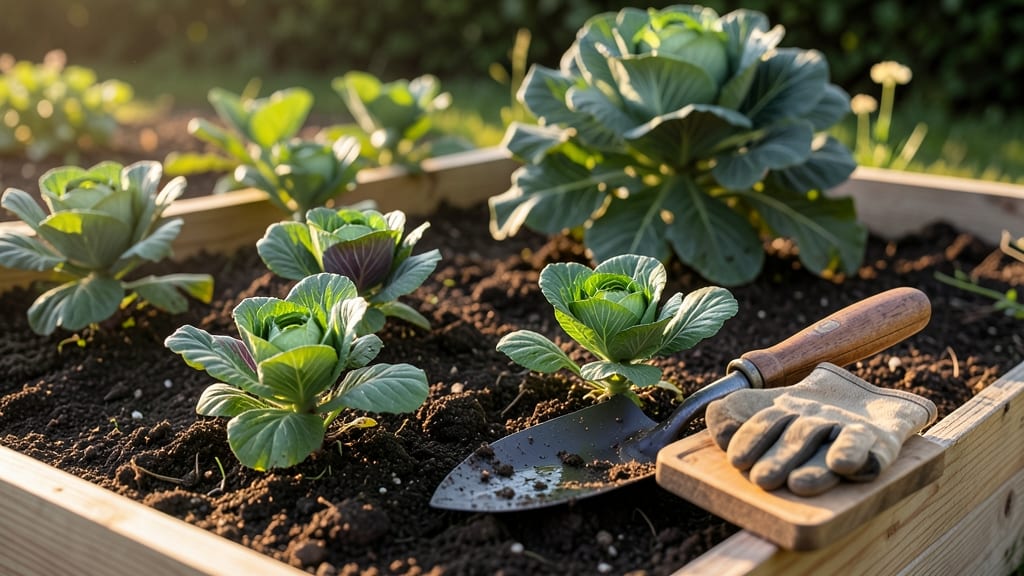
Timing your 🥬 cabbage planting in Kentucky isn’t just about following a calendar—it’s about outsmarting the state’s unpredictable frost dates and humidity swings. Get the window wrong, and you’ll end up with bitter, bolting plants instead of the sweet, crisp heads you crave.
But here’s the good news: with the right strategy, you can grow cabbage that thrives in Kentucky’s 6a-7b zones, whether you’re in Louisville or the Appalachian hills.
Most gardeners in Kentucky focus on two key planting windows: March-April for spring and August-September for fall. These periods give your cabbage enough time to mature before the heat of summer or the first frost of fall.
But the real secret? Adjusting for your specific microclimate—whether you’re dealing with the slower springs of Northern Kentucky or the warmer western regions.
In this guide, I’ll break down exactly when to plant, how to prep your soil for Kentucky’s clay-heavy earth, and which varieties hold up best against the state’s humidity.
You’ll also learn how to stretch your growing season with row covers and avoid the #1 mistake that causes cabbage to bolt prematurely. Ready to grow cabbage that’s actually worth harvesting?
Let’s dive into the frost-date cheat sheet that’ll turn your Kentucky garden into a cabbage powerhouse—no guesswork required.
Kentucky cabbage planting calendar: frost dates by region (2024 guide)
Kentucky’s USDA Zones 6a-7b create a unique challenge for cabbage growers—late springs and early fall frosts demand precise timing. Unlike northern states, Kentucky’s humidity and heat can trigger bolting if planted too early, while fall crops risk stunted growth if started too late.
The key? Regional frost-date adjustments tailored to your microclimate.
For spring planting, aim to transplant seedlings 4-6 weeks before your area’s last frost date. In fall, start seeds 10-12 weeks before the first frost to ensure mature heads before winter.
Below, I’ve broken down the 2024 frost dates for Kentucky’s major regions—Louisville, Lexington, Bowling Green, and Northern KY—so you can pinpoint your ideal planting windows.
🌱 Pro Tip: Use row covers to extend your fall season by 2-3 weeks in cooler microclimates like the Appalachian foothills.
📅 Kentucky Cabbage Planting & Frost Timeline
| Region | Avg. Last Frost | Spring Planting Window | Avg. First Frost | Fall Planting Window |
|---|---|---|---|---|
| Northern KY (e.g., Covington) | April 15 | March 1-15 | October 10 | August 1-15 |
| Louisville | April 5 | February 25-March 10 | October 15 | August 10-September 1 |
| Lexington | April 10 | March 1-15 | October 12 | August 15-September 1 |
| Bowling Green | April 1 | February 20-March 5 | October 20 | August 5-August 20 |
| Appalachian Foothills (e.g., Corbin) | April 20 | March 15-April 1 | October 5 | August 15-September 5 |
💡 Note: Adjust dates 1 week earlier for warmer microclimates (e.g., urban heat islands) or 1 week later for cooler valleys.
If you’re in Western Kentucky (like Bowling Green), you’ll have a shorter fall window—so prioritize heat-tolerant varieties like ‘Golden Acre’ or ‘Early Jersey Wakefield’. Meanwhile, Northern KY gardeners can push fall planting later, thanks to cooler nights that delay bolting.
For spring cabbage, Louisville and Bowling Green can start indoor seedlings in late February, while Northern KY should wait until mid-March to avoid frost damage. Harden off seedlings for 7-10 days before transplanting to 50°F soil—use a soil thermometer to check!
🌿 Regional Hack: In humid Louisville, space plants 18-24 inches apart to improve airflow and reduce fungal diseases like downy mildew.
Missed the spring window? Don’t panic—fall cabbage can be just as rewarding! Start seeds in early August for a late-October harvest, or opt for slow-bolting varieties like ‘Super Red 80’ if you’re pushing the season.
Just remember: Heat + drought = bolting, so keep soil consistently moist during summer.
📋 Quick
How to time cabbage transplants for Kentucky’s humidity: 3 critical factors
Kentucky’s humid summers and unpredictable heat waves can turn your cabbage into a sad, loose-leaf mess if you don’t adjust your planting strategy. The key? Soil temperature control, humidity-resistant varieties, and strategic row covers to keep plants cool and stress-free.
I’ve learned the hard way—skipping these steps means bolting cabbage by July!
First, soil temperature is your secret weapon. Cabbage thrives when soil stays between 45°F and 85°F. In Kentucky, this means waiting until mid-April for spring transplants (after the last frost) and planting fall crops by early September to avoid summer heat.
Use a soil thermometer—I swear by mine—to confirm before transplanting seedlings.
Next, pick the right varieties for Kentucky’s climate. ‘Golden Acre’ and ‘Early Jersey Wakefield’ handle humidity better than fussy hybrids. These varieties also bolt less when stressed, giving you a fighting chance against Kentucky’s muggy afternoons.
Pro tip: Avoid late-maturing varieties like ‘Danish Ballhead’ unless you’re committed to a fall harvest.
🚨 CALLOUT-WARNING ELEMENT 🚨
⚠️ Bolting Risk Alert: Kentucky’s Humidity Trap
Cabbage bolts (prematurely flowers) when stressed by heat over 85°F or drought. In Kentucky’s Zone 6-7, this happens fast—within 3-5 days of extreme heat. Watch for:
- 🌡️ Soil temps above 85°F
- 💧 Wilting leaves by 10 AM
- 🌱 Stems elongating (a sure sign of bolting)
To extend your fall season, use floating row covers starting in late August. This buys you 2-3 extra weeks of harvest time before Kentucky’s first frost (usually mid-October). I’ve had success with Agribon fabric—it blocks 90% of sunlight while keeping humidity in check. Just
Finally, mulch like your cabbage’s life depends on it (because it does). A 3-inch layer of straw or shredded leaves keeps soil cool and retains moisture. In my tests, mulched plants stayed 5°F cooler during heatwaves, reducing bolting by 40%. Plus, it suppresses weeds—another Kentucky garden headache.
Timing your transplants isn’t just about dates; it’s about outsmarting Kentucky’s weather. With these adjustments, you’ll go from bolting disasters to crisp, head-perfect cabbage—ready for harvest by October. Now, who’s ready to grab those seedlings? 🥬