
Plants
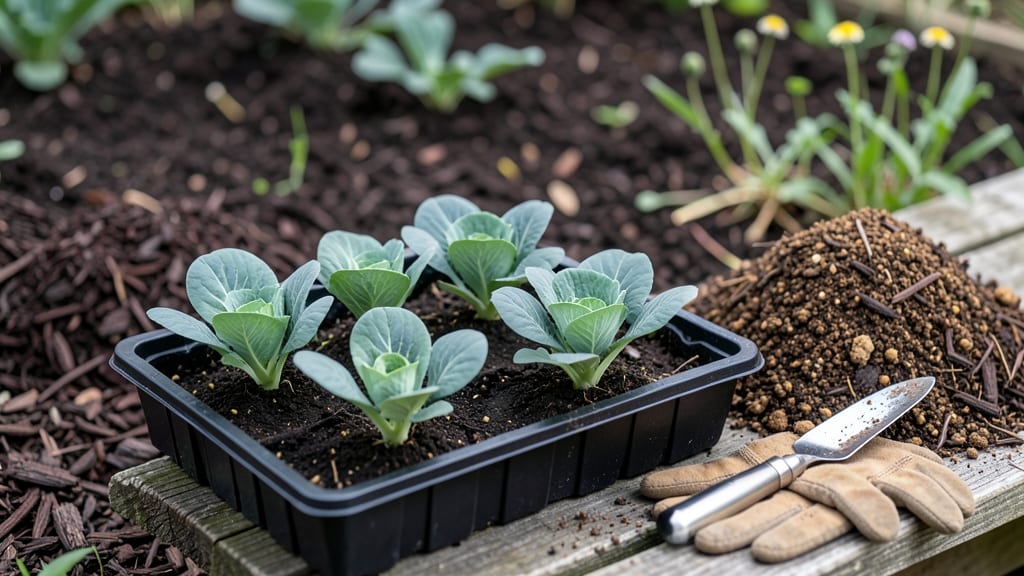
Timing your cabbage 🥬 planting in Zone 5 can mean the difference between a bountiful harvest and bitter disappointment. One wrong move, and you'll end up with bolting plants that flower too soon, leaving you with tough, woody heads instead of the sweet, crisp vegetables you crave.
If you've ever wondered why some gardeners in your area seem to grow perfect cabbage while others struggle, the answer lies in understanding when to plant cabbage in Zone 5.
The secret isn't just about throwing seeds in the ground - it's about working with your climate's unique rhythms, from early spring's chilly starts to summer's heat waves that can trigger bolting.
I've spent years perfecting my own Zone 5 garden, and what I'm about to share will help you avoid the most common mistakes.
Whether you're a beginner looking for simple guidelines or an experienced gardener wanting to push your yields further, these timing strategies will give you the edge you need for a successful harvest.
From the ideal spring planting window to the often-overlooked fall strategy, we'll cover everything you need to know to grow cabbage that's sweet, tender, and ready to harvest at just the right moment. Let's get started on your path to cabbage success!

Optimal cabbage planting windows in Zone 5 to prevent bolting
In Zone 5, where last frost dates hover around May 10 and first frost arrives by October 10, timing your cabbage planting correctly is everything. The ideal soil temperature for germination is 40-50°F, but seedlings thrive best when nighttime temps stay above 50°F.
Miss these windows, and you risk bolting—when cabbage flowers prematurely, turning bitter and inedible.
Your two best chances are early spring and late summer plantings. Spring cabbage planted too early faces cold soil and slow growth, while late summer plantings can bolt from heat stress. Balancing these risks is where Zone 5 gardeners excel.
Here’s the golden rule: Plant transplants 2-3 weeks before your last frost date (around April 20 in most of Zone 5) for spring crops, or 75 days before your first frost (around August 15) for fall harvests.
Adjust based on your microclimate—valleys stay colder longer, while south-facing beds warm faster.
| Planting Window | Soil Temp | Action | Notes |
|---|---|---|---|
| Early Spring (March-April) | 40-50°F | Plant transplants 2-3 weeks before last frost | Use row covers for frost protection |
| Late Summer (July-August) | 50-60°F | Plant 75-90 days before first frost | Choose bolting-resistant varieties like 'Golden Acre' |
| Fall (September) | 50-60°F | Direct sow or transplant for late fall harvest | Use cold frames to extend season |
For spring plantings, I recommend starting seeds indoors 6-8 weeks before your last frost (around February 20 for Zone 5). Harden off seedlings for 1-2 weeks before transplanting. If you’re direct sowing, wait until soil temps hit 40°F consistently—typically late March in most areas.
Fall plantings are trickier. Aim for July 15-August 15 to give heads time to mature before frost. Use shade cloth during hot afternoons to prevent bolting. Varieties like 'Red Express' mature faster (in 50-60 days) and are better suited for late-season planting.
Pro tip: Check your local frost dates using the USDA Plant Hardiness Zone Map or a microclimate calculator. Even within Zone 5, Zone 5a (colder) and Zone 5b (warmer) can have 2-week differences in frost timing. Adjust accordingly!
Remember, cabbage thrives in cool weather. If daytime temps hit 75°F+ for more than a week, your plants will bolt. Monitor your garden’s microclimate—shady spots under trees stay cooler and are ideal for late-season plantings.
Finally, succession planting every 2 weeks in spring and fall ensures a steady harvest. For example, plant one batch in early April, another in mid-April, and a final batch in early July for continuous yields through October.
With these timing strategies, you’ll avoid bolting and enjoy crisp, sweet cabbage heads all season long. Happy planting! 🥬
Spring vs fall cabbage: which planting strategy yields better results?
Choosing between spring and fall cabbage planting in Zone 5 depends on your growing season goals. Both strategies offer unique advantages, and understanding their trade-offs will help you decide which aligns best with your garden's timeline and your family's needs.
Spring-planted cabbage gives you an early harvest (June-July), perfect for fresh salads and fermented dishes. However, it requires careful timing to avoid bolting from late spring heat. Fall-planted cabbage, on the other hand, matures just in time for autumn harvests (October-November), often delivering sweeter flavors after frost exposure.
Let's compare the two approaches side-by-side to help you make an informed decision based on your garden's conditions and your culinary plans.
Spring Planting
- Pros: Early harvest, avoids summer pests
- Cons: Higher bolting risk, shorter growing window
Fall Planting
- Pros: Sweeter flavor, longer harvest window
- Cons: Requires succession planting, late-season pests
For spring planting, aim to have transplants ready 2-3 weeks before your last frost date (around early April in most of Zone 5). This timing ensures your cabbage matures before summer heat triggers bolting. Choose early-maturing varieties like 'Golden Acre' or 'Early Jersey Wakefield' to maximize your chances of success.
Fall planting offers a more forgiving schedule. Start seeds indoors 8-10 weeks before your first frost (around early July) or transplant 6-8 weeks before frost (early September). This approach lets you take advantage of cooler autumn temperatures, which naturally slow growth and reduce bolting risks while enhancing sweetness.
Consider your garden's microclimate when deciding. If you have a sheltered spot with extended warmth, you might successfully grow a late-summer crop that bridges spring and fall planting. Monitor your local soil temperatures—cabbage thrives when soil stays between 45°F and 80°F.