
Plants
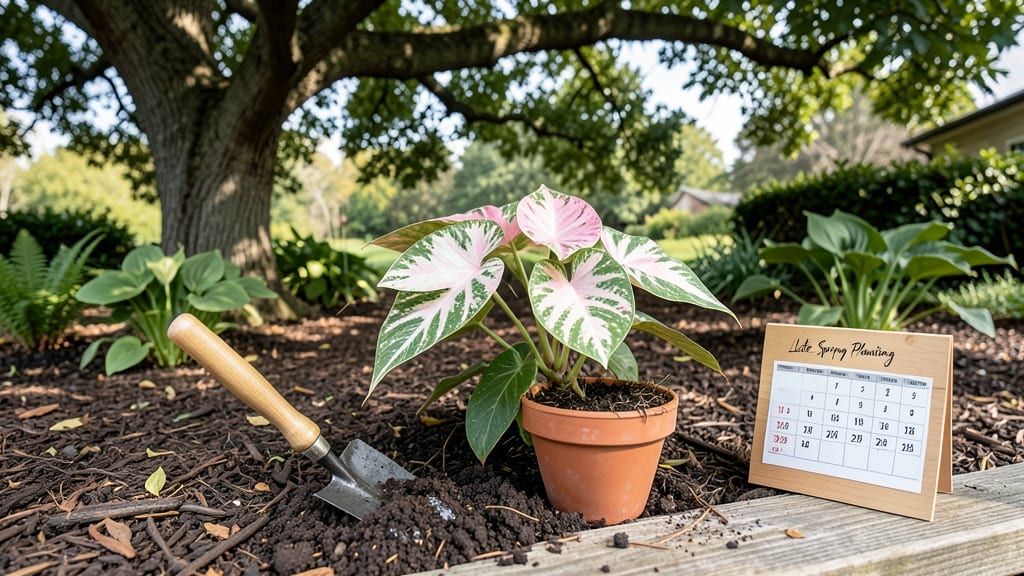
If you're dreaming of vibrant, heat-loving foliage in your North Texas garden, timing is everything when it comes to planting caladium bulbs 🌿. These stunning plants thrive in our warm climate, but getting them in the ground too early can mean wilted leaves before they even show off their colors.
The key is waiting until after your last frost—typically late March to April—when soil temperatures consistently hit 60°F. This ensures your caladiums have the perfect start, avoiding the common pitfall of planting too soon and risking damage from lingering cold snaps.
But here's the thing: North Texas heat can be brutal, and caladiums need just the right balance of warmth and moisture to flourish. I’ll walk you through exactly when and how to plant them so you can enjoy those show-stopping leaves all season long—without the guesswork.
Let’s dive into the ideal planting window, soil prep tips, and pro strategies to keep your caladiums thriving in our unique climate. You’ll be amazed at how a little planning can make all the difference!
Optimal planting time for caladium bulbs in North Texas heat zones
Timing your caladium bulb planting in North Texas isn’t just about avoiding frost—it’s about catching that sweet spot between soil warmth and humidity spikes.
Unlike cooler climates, Texas’s Zone 8a-9a means you’ve got a narrow window to plant these heat-loving beauties before the summer sun turns your garden into a sauna. Aim for mid-April to early May when soil temps hit 60°F+, ensuring your bulbs wake up without wilting under 100°F+ afternoons.
Why this window? Caladiums thrive in warm soil but despise intense midday sun during their early growth phase. Planting too early risks frost damage (yes, late frosts sneak into North Texas!), while planting too late means your foliage will struggle to establish before the Texas heat wave hits full force.
Think of it as a heat-resistant race—get them in the ground just as the azalea bushes finish blooming.
Here’s the golden rule: Wait until after the last frost date (typically March 15 in North Texas) and before Memorial Day. Use a soil thermometer to confirm—caladiums need consistent warmth to sprout.
Pro tip: If you’re in East Texas (warmer microclimates), you might push planting to late March, but West Texas gardeners should hold off until mid-April.
| Planting Stage | North Texas Timeline | Key Conditions |
|---|---|---|
| Prep Bulbs | Late February - Early March | Soak bulbs 24 hrs; check for soft spots. |
| Planting Window | Mid-April - Early May | Soil 60°F+; no frost risk. |
| Active Growth | May - September | Partial shade; water deeply 2x/week. |
| Dormancy Prep | October - November | Foliage yellows; cut back after frost. |
North Texas’s unpredictable spring weather throws curveballs—one day it’s 60°F and sunny, the next it’s 40°F with rain. To hedge your bets, I recommend chitting your bulbs indoors 4-6 weeks before planting.
Place them in a bright, warm spot (like a sunny windowsill) and watch for green sprouts. This head start ensures your caladiums hit the ground running once temps stabilize. Just avoid overwatering during this phase—root rot is a silent killer for tender bulbs.
Another Texas-specific trick? Mulch heavily after planting. Our soil heats up like a griddle in summer, and mulch (like shredded hardwood bark) helps regulate temps while locking in moisture. Aim for a 2-3 inch layer of mulch, keeping it 2 inches away from bulb bases to prevent rot.
This is especially critical in clay-heavy soils common in areas like Dallas and Fort Worth, where water pools and roots suffocate.
Watch for local heat advisories in late spring—caladiums can bolt (send up flower stalks prematurely) if stressed by heat. If temps hit 95°F+ before foliage emerges, provide dappled shade with a lightweight shade cloth.
I’ve seen caladiums in Arlington gardens wilt dramatically under full sun, only to bounce back once moved to morning sun with afternoon shade.
For container gardeners, the rules shift slightly. Potted caladiums can handle direct sun for shorter durations, but still need afternoon shade in peak summer. Use terracotta pots (they breathe better than plastic) and elevate them on saucers to prevent waterlogging—a common issue in North Texas’s heavy clay soils.
Move containers to shadier spots if leaves start curling or yellowing.
Remember, caladiums are tropical drama queens—they demand consistent warmth and humidity. If you plant too early and a late frost zaps your bulbs, don’t panic. Dig up any surviving tubers, dry them in a cool, dark place, and replant next spring.
With the right timing, your North Texas garden will burst with pink, white, and red foliage that outshines even the bluebonnets.
Optimal planting time for caladium bulbs in North Texas heat zones
North Texas gardeners face a unique challenge with caladium bulbs—our USDA Zone 8a-9a climate demands precise timing to avoid heat stress or frost damage. The sweet spot for planting is late March to mid-April, right after your last frost date (typically around March 15).
This window ensures soil temperatures stay above 60°F, which caladiums crave to sprout properly.
Why this timing? Caladiums are heat-loving plants that despise cold soil. Planting too early (like February) risks rot or stunted growth from lingering chilly nights. Waiting until April guarantees your bulbs will thrive as summer approaches, delivering those show-stopping foliage colors by June.
Here’s the golden rule: Check your soil temperature with a soil thermometer—aim for 60°F+ at 4 inches deep. If it’s cooler, wait another week. North Texas’s unpredictable spring can throw off even the best-laid plans, so flexibility is key.
🌱 Caladium Planting Timeline for North Texas
| Stage | Action | Soil Temp |
|---|---|---|
| Prep Bulbs | Soak bulbs 24 hours before planting | N/A |
| Planting Window | Late March–Mid-April | 60°F+ |
| Foliage Emerges | 4–6 weeks post-planting | 70°F+ |
| Peak Color | June–August | 80°F+ |
Pro tip: If you’re in West Texas (Zone 8a), push planting to early April—those areas warm up slower. Meanwhile, East Texas (Zone 9a) gardeners can start as early as late February if your soil is already toasty. Always confirm with your local agricultural extension office for frost-free dates.
Once planted, keep an eye on humidity levels—North Texas summers can be brutal. Mulch heavily to retain moisture and shield roots from intense afternoon sun. With the right timing, your caladiums will reward you with bold foliage that lasts until the first frost 🌿.
Remember: Caladiums are not cold-hardy, so don’t risk planting before your last frost. The wait is worth it for those stunning, heat-resistant leaves that’ll make your garden the talk of the neighborhood!