
Plants
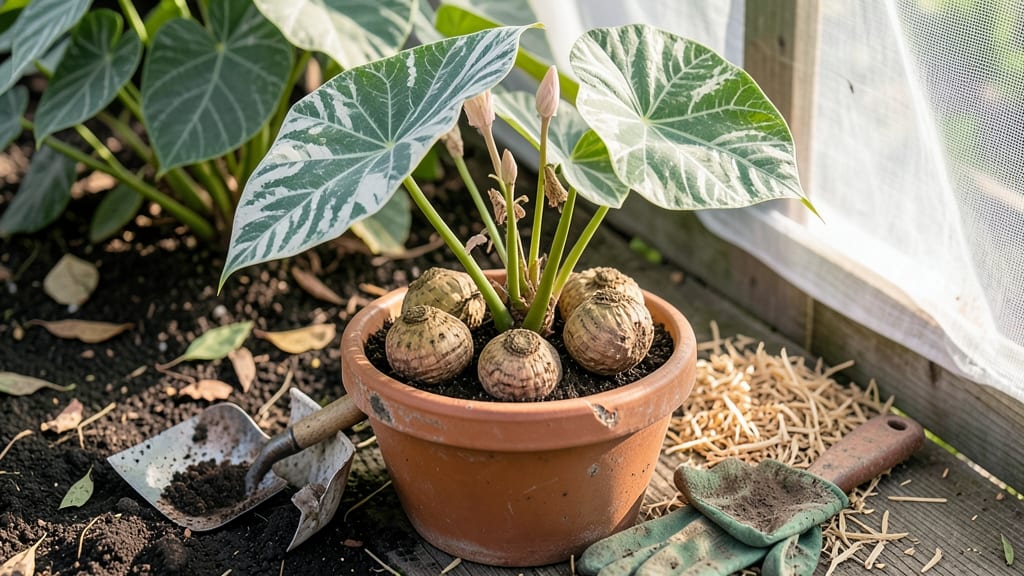
Timing your Caladium bulb planting in Texas isn't just about avoiding frost—it's about outsmarting the state's brutal summer heat before those stunning 🌿 leaves even have a chance to unfurl.
Texas gardeners know the drill: plant too early, and your bulbs will bake in the soil before sprouting.
Wait too long, and you miss the sweet spot for vibrant foliage that thrives in 60-65°F soil—a temperature range that arrives later than most folks expect, especially in North Texas' 8a-11 zones.
I've learned the hard way that March-April is your golden window, but there's more to it than just months.
We'll break down exactly when to plant based on your specific Texas region, plus pro tips to keep your Caladiums lush through 90°F+ summers—because nobody wants sad, wilted leaves when they've waited this long for color.
Let's get you growing those showstopping elephant ears with confidence, so you can enjoy them from spring through summer without the guesswork.
Texas heat-zone planting calendar for caladium bulbs
Texas’ diverse climate—from USDA Zones 8a-11—means caladium bulbs thrive in different windows. In North Texas (Zones 8a-8b), aim for mid-April after the last frost (usually February 15).
Meanwhile, Central Texas (Zones 8b-9a) can start as early as late March, while South Texas (Zones 9b-11) enjoys a longer window until May. The key? Wait until soil temps hit 60-65°F—cold soil stunts growth.
Caladiums love humidity and warmth, but Texas’ 90°F+ summers can stress them. Planting too early risks heat damage, while waiting too long delays those show-stopping foliage colors.
For container gardens, you can push planting to May in shaded spots, but in-ground planting should align with soil readiness.
Here’s how Texas regions break down for optimal planting:
| Texas Region | USDA Zone | Best Planting Window | Soil Temp Threshold | Key Consideration |
|---|---|---|---|---|
| North Texas | 8a-8b | Mid-April | 60-65°F | Wait for last frost (Feb 15) |
| Central Texas | 8b-9a | Late March | 60-65°F | Humidity spikes in April |
| South Texas | 9b-11 | March-May | 65°F+ | Extend season with shade |
For North Texas gardeners, mark your calendar for April 15 as a safe bet—this gives bulbs time to establish roots before summer’s 100°F+ heat. Use a soil thermometer to confirm temps; caladiums won’t sprout until soil hits 65°F.
In Central Texas, where humidity rises earlier, you can plant 2 weeks earlier than North Texas, but monitor for fungal risks in damp soil.
In South Texas, the real advantage is flexibility. Plant as late as May in shaded beds or containers, but prioritize afternoon shade to protect leaves from scorching. Pro tip: Use black plastic mulch to warm soil faster in cooler months—this can shave off 1-2 weeks of waiting time.
Texas’ microclimates also play a role. If you’re in a valley or near water, plant 1-2 weeks later to avoid excessive humidity, which promotes leaf spot diseases. Conversely, urban heat islands (like Austin’s downtown) may need earlier planting to beat the heat.
Don’t forget: Caladiums are tender bulbs—they’ll die back in fall frosts (as early as November in North Texas). Treat them as annuals unless you dig and store bulbs for next year. This means your planting window is your only chance to showcase those vibrant foliage patterns all summer.
For container gardeners, the rules relax slightly. Pots warm up faster, so you can plant 2-3 weeks earlier than in-ground. Just ensure containers have drainage holes and use lightweight potting mix to prevent waterlogging—a common killer in Texas’ heavy clay soils.
Timing isn’t just about months—it’s about weather patterns. Check the 10-day forecast for stable temps above 70°F before planting. Sudden cold snaps (even in May) can shock new growth. If you’re unsure, start bulbs indoors in pots
Signs your Texas soil is ready for caladium planting
Texas’ heavy clay soil can be a double-edged sword for caladium bulbs—too wet and they rot, too dry and they struggle to thrive. The key is waiting for soil temperatures to hit 60-65°F and checking moisture levels before you plant.
Cold soil delays growth, while soggy conditions invite fungal diseases that can kill your bulbs before they sprout.
Start by testing your soil’s readiness with a simple finger check. Push your finger about 2 inches deep—if the soil feels cool to the touch (below 60°F), wait a few more weeks.
Caladiums won’t germinate in chilly soil, no matter how eager you are to see those vibrant leaves. Patience here saves you from wasted bulbs and disappointment.
Next, assess moisture by squeezing a handful of soil. It should hold together loosely but not feel damp or sticky. Texas clay can retain too much moisture, so amending it with organic compost (2-3 inches) improves drainage while adding nutrients.
Spread a thin layer of compost over the planting area 1-2 weeks before you plant to let it integrate naturally.
Caladium bulbs rot quickly in waterlogged conditions. If your soil feels sticky or muddy after rain, wait until it dries out. Use a soil moisture meter ($10 at garden centers) to confirm readiness—aim for 40-50% moisture but never saturated.
Another critical sign is the presence of earthworms. Healthy, active worms indicate well-aerated soil perfect for caladiums. If you don’t see any, aerate the soil with a garden fork before planting.
Texas’ dense clay can suffocate roots, so breaking it up ensures your bulbs get the oxygen they need to establish strong root systems.
Finally, watch for last frost dates in your specific Texas region. North Texas (USDA Zone 8a) typically sees its last frost around February 15, while South Texas (Zone 9a-11) rarely experiences frost.
Plant caladiums 2-3 weeks after your area’s last frost to give the soil time to warm up fully.
Once your soil hits 65°F, feels slightly moist but not soggy, and shows signs of life (like earthworms), it’s time to plant. Use a thermometer buried 2 inches deep for accuracy—this small investment prevents costly mistakes.
With the right conditions, your caladiums will reward you with bold, glossy foliage all summer long.