
Plants
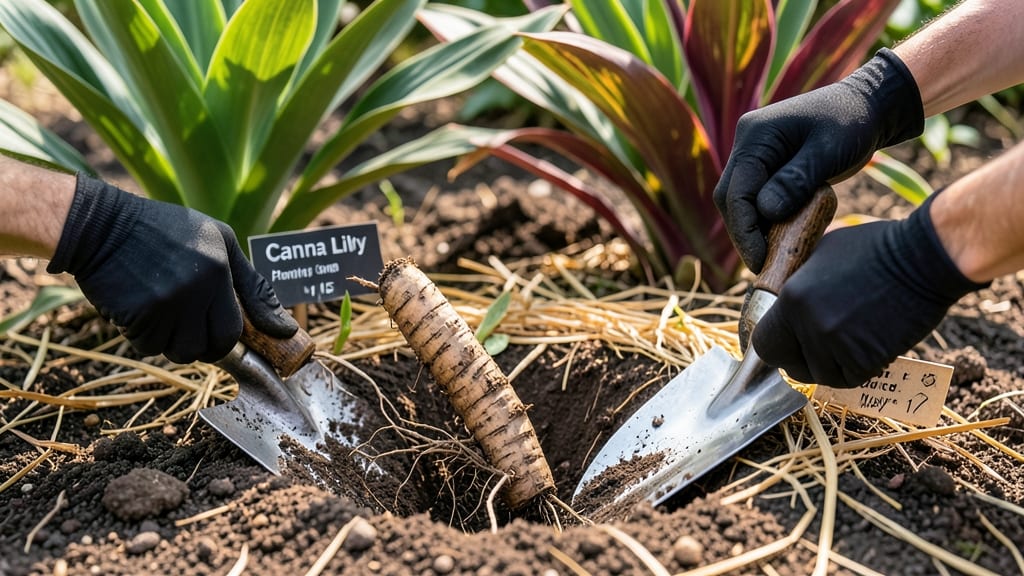
If you're dreaming of bold, tropical-looking blooms like 🌺 Canna Lilies lighting up your Wisconsin garden, timing is everything—when to plant canna bulbs in Wisconsin means the difference between a showstopping summer display and a sad, frost-nipped disappointment.
Planting these heat-loving beauties too early means frost damage, while waiting too long cuts your summer display short.
Here’s the secret: Wisconsin’s 4a-6b zones demand patience—wait until after mid-May’s last frost, when soil warms to 60°F+. That’s your cue to dig in rhizomes 2-4 inches deep, ensuring vibrant growth without risking cold snaps.
Why does this matter? Canna Lilies thrive on warmth, and rushing them leads to stunted growth or worse. I’ll walk you through the exact window, soil prep, and even how to stretch your season if Mother Nature plays tricks.
Skip the guesswork—learn how to time your planting for maximum impact, whether you’re in Milwaukee or the Driftless Region. Let’s get those rhizomes in the ground the right way.
Wisconsin’s ideal canna planting timeline: avoiding frost while maximizing growth
Wisconsin gardeners know timing is everything—especially when planting heat-loving canna bulbs that despise even light frost. The key is waiting until soil temperatures hit 60°F+ and all frost risk has passed, which varies dramatically from Southern WI (USDA Zone 5b-6a) to Northern WI (Zone 4a-5a).
Let’s break down the exact windows and regional adjustments to ensure your cannas thrive without frost damage.
In Southern Wisconsin, the last frost typically occurs between May 10-20, while Northern Wisconsin can wait until May 25-June 5. Planting too early—even with warm air—risks chilly soil temperatures that stunt root growth.
Use a soil thermometer to confirm readiness; cannas won’t sprout until the ground consistently stays above 60°F.
Here’s the 10-14 day pre-planting prep window most Wisconsin gardeners use: Start preparing beds 2 weeks before your region’s last frost date. This includes adding compost or aged manure for fertility and mulching to warm the soil faster.
In colder zones, consider black plastic mulch to raise soil temps by 5-10°F.
For USDA Zone 4a (Northern WI), aim for late May to early June planting. In Zone 5b-6a (Southern/Central WI), you can start as early as mid-May, but monitor 7-day forecasts for late frosts.
Pro tip: Stagger your planting by 1-2 weeks if you have multiple canna varieties to extend your blooming season.
One common mistake Wisconsin gardeners make is planting cannas too deep to protect against frost. While cannas tolerate 2-4 inches of soil depth, burying them deeper than 3 inches can delay emergence. Instead, focus on mulching heavily after planting to insulate roots from temperature swings.
| Region | USDA Zone | Last Frost Date | Ideal Planting Window | Soil Temp Threshold |
|---|---|---|---|---|
| Southern WI | 5b-6a | May 10-20 | Mid-May to early June | 60°F+ (consistent) |
| Central WI | 5a-5b | May 15-25 | Late May | 60°F+ (consistent) |
| Northern WI | 4a-5a | May 25-June 5 | Early to mid-June | 60°F+ (consistent) |
| All Regions | - | - | Wait for 60°F+ soil | Use soil thermometer |
If you’re in Zone 4a, consider starting cannas indoors 4-6 weeks before your target outdoor date. Use grow lights or a sunny windowsill to pre-sprout rhizomes, then transplant after the last frost. This head-start method adds 3-4 weeks to your blooming season—critical in Wisconsin’s short summers.
For container gardening, you can plant cannas 2 weeks earlier than in-ground, thanks to faster soil warming in pots. Choose black containers to absorb more heat, and place them on patio surfaces (like brick or concrete) to raise soil temps by 5-8°F.
Just ensure containers have drainage holes to prevent rot.
Remember: Canna bulbs are rhizomes, not true bulbs, so they need warmth to activate. If planted too early in cool soil, they’ll rot before sprouting. The 10-day rule applies here—if nighttime temps dip below 50°F after planting, cover young shoots with frost cloth until soil warms further.
Once planted, mulch heavily with straw or shredded leaves to maintain soil warmth and suppress weeds. In Wisconsin’s variable climate, this single step can mean the difference between vibrant summer blooms and stunted growth. Water deeply 1-2 times
5 Critical signs your Wisconsin soil is ready for canna bulbs (and when to wait)
Canna bulbs (technically rhizomes) crave warm soil—planting too early in Wisconsin’s chilly springs risks stunted growth or frost damage. I’ve learned the hard way that waiting for these 5 key signs guarantees lush, thriving plants from Madison to Milwaukee.
The difference between a 120-day bloom bonanza and a sad, stunted specimen often comes down to soil readiness.
First, check your soil temperature—cannas won’t thrive until it hits 60°F consistently. A simple soil thermometer (just $10 at garden centers) is your best friend here.
Stick it in the ground 2-3 inches deep in the morning; if it’s below 60°F, wait another week. Pro tip: Southern Wisconsin (like Milwaukee) often hits this mark by late May, while northern areas (like Green Bay) may need to wait until early June.
Next, look for nature’s cues. When dandelions bloom and black cherry trees leaf out, your soil is likely warm enough. I also watch for earthworms surfacing—this means the ground has warmed sufficiently. These free indicators save me from constantly checking my thermometer, and they’re foolproof for Wisconsin’s variable climate.
- Soil temp: 60°F+ at 2-3" depth (use thermometer)
- Dandelions: Fully blooming (natural heat gauge)
- Earthworms: Active on surface (soil is warm)
- Cherry trees: Leaves fully emerged (consistent warmth)
- Frost risk: 0% chance of frost in forecast (check NOAA)
Don’t overlook moisture levels. Cannas love well-draining but consistently moist soil. Before planting, dig a hole and fill it with water—if it drains within 1-2 hours, your soil is perfect. If water pools or drains too quickly (like sand), amend with compost or peat moss to improve retention.
I’ve seen cannas wilt dramatically in poor-draining soil, even when planted at the right time.
One common mistake I see in Wisconsin gardens? Planting cannas too early just because the air feels warm. Air temperature ≠ soil temperature. A 50°F morning with 70°F days can still leave your rhizomes shivering underground.
Always prioritize soil warmth over air temps—this is non-negotiable for cannas, which are tropical plants at heart.
For extended-season gardeners, consider row covers or cold frames to jumpstart planting by 2-3 weeks. These create microclimates that warm soil faster, letting you plant cannas as early as mid-April in southern WI.
Just remove covers immediately after planting to prevent overheating. I’ve used this trick to get blooms by July 4th—a Wisconsin gardener’s dream!